Russia’s seaborne crude oil exports are facing the sharpest wartime disruption as new US sanctions begin to reshape global oil flows.
According to Bloomberg data, four-week average shipments fell to 3.58 million barrels per day as of November 2, a drop of about 200,000 barrels per day from the end of October. This is the sharpest decline since January. Moscow’s oil revenues have fallen to their lowest level since August. Refineries in China, India, and Turkey have suspended purchases of sanctioned oil from Rosneft and Lukoil ahead of the compliance deadline on November 21.
Analyses by Braemar and Vortexa show this impact is already being felt at sea. Shipborne Russian crude oil has risen to 115 million barrels, the highest level in 2.5 years, and while there are signs that many Indian refiners will reduce future purchases, 68 million barrels are still heading towards India. The discrepancy between Russian exports and Indian imports (approximately 450,000 b/d) points to increasing volumes that may struggle to find buyers.
Braemar noted that while some Indian state refiners continue to take limited non-sanctioned cargoes, private refiners have sharply reduced purchases, with shipments to Indian private refiners falling 60% since the sanctions were announced. Much of the unplaced crude oil is expected to go to China’s Shandong teapot refineries, but their capacity to absorb the extra volume is unclear. Chinese state refiners have also pulled back.
The ESPO blend from Kozmino, which once traded at a premium to Brent, is now trading at a discount of $0.50 per barrel, with some buyers canceling loadings.
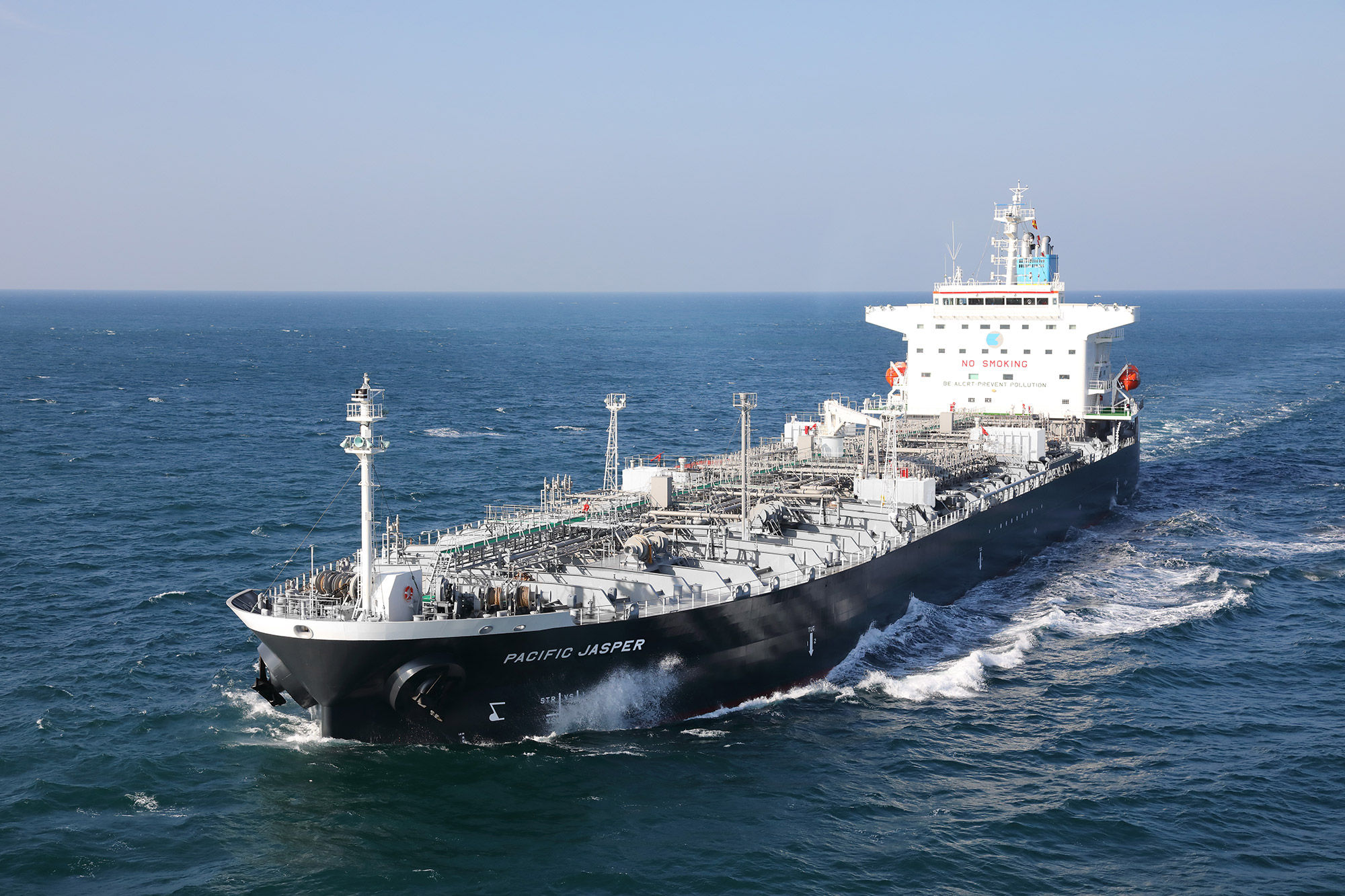
Tanker behavior has changed accordingly. Braemar stated that the return speed of non-sanctioned vessels to Russia has increased by 11%, as shipowners rush to complete final loadings before the wind-down period for operations ends. A shrinking pool of available tonnage and increasing discharge delays could soon constrain Russia’s ability to sustain export volumes.
Sentosa Shipbrokers noted that more Russian crude oil is being transferred to floating storage due to drone attacks and sanctioned refiners struggling to place barrels. Ukraine’s attacks on infrastructure, including Lukoil’s 340,000 bpd Nizhny Novgorod refinery and facilities in Tuapse and Saratov, have further complicated the supply picture, forcing Russia to impose a temporary ban on diesel exports at least until the end of the year.
Swedish bank SEB predicts that India and China will shift their supply sources to Atlantic Basin and Middle East grades, opening up longer-distance routes and supporting demand for suitable tankers. VLCC rates from the Middle East (TD3C) have already increased by over 50% since the US measures were announced.
As Russian crude oil accumulates at sea and traditional buyers step back, analysts warn that Moscow may soon face the following constraints: a shrinking number of vessels available for loading, shrinking buyer markets, and further reduced production capacity due to Ukrainian drone attacks.
As nearly 20% of Russia’s national refining capacity has been destroyed by drones in recent months, authorities have begun rapidly building metal cages around oil facilities to protect against future attacks.
Source: