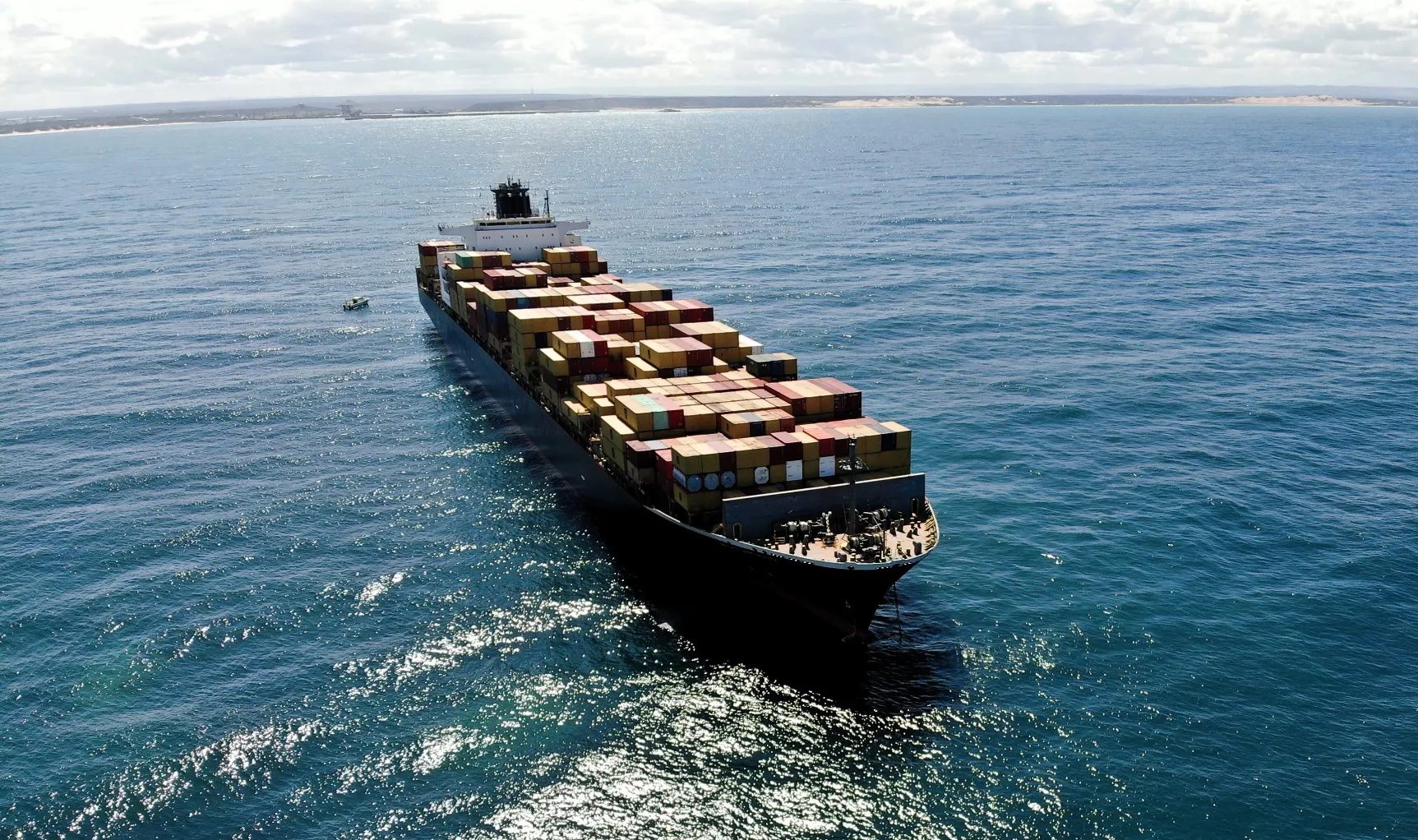
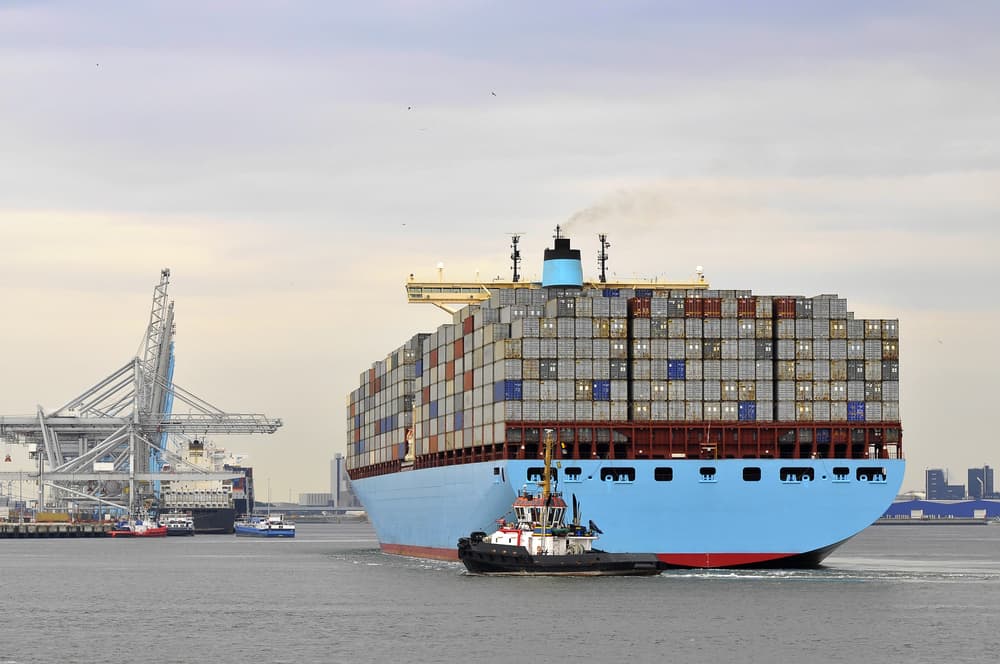
The company listed on the American stock exchange, which manages very large LPG transport vessels, announced net profits of $55.4 million for the second quarter of the fiscal year.
The company’s revenues reached $124.1 million, up from $82.4 million last year, while the average daily time charter equivalent rate was $53,725 per available day.
As stated by Mr. Yiannis Hatzipateras, President and CEO of the company: “The Board of Directors approved a special dividend of $0.65 per share, reflecting our commitment to delivering value to shareholders, maintaining a strong balance sheet, and our confidence in the fundamental dynamics of the LPG market.
Global seaborne LPG transport set a record in the previous quarter.
The freight market improved, supported by historically high exports from the US and the Middle East.
As always, I recognize the contribution of the Dorian team -460 people at sea- for their professionalism and dedication during another quarter of intense geopolitical volatility.”
It is noted that the Baltic Exchange LPG Index (Ras Tanura-Chiba route) averaged $81,320 per ton, compared to $52,049 per ton a year ago.
At the same time, the average VLSFO bunker price (Singapore & Fujairah) decreased to $/ton, from $/ton in 2024.
Fleet available days increased to 2,290 from 2,207, due to fleet expansion, partially offset by more days off-hire due to dry-docking.
In the broader crude market, OPEC+ announced a gradual phase-out of the voluntary production cuts implemented since 2023.
Production increased by 411,000 barrels per day in July 2025, with further increases of 548,000 and 547,000 barrels per day in August and September respectively.
This boosted LPG availability for exports from the Middle East, particularly from Saudi Arabia, where exports increased from 1.5 million tons (Q2 2025) to over 2 million tons (Q3 2025).
Global seaborne LPG trade expanded, with US exports exceeding 17 million tons (approximately +1 million tons compared to Q1 2025). The increased supply pressured LPG prices downwards.
Propane price differentials against Brent narrowed from 55% to 53% in Northwest Europe and from 63% to 61% in the Far East.
In the US, propane prices fell from 51% to 44% of WTI compared to the second quarter, though they remained higher than in 2024.
Regarding geopolitical developments, they continued to influence oil and LPG markets, with US-China relations playing a decisive role.
The 90-day suspension of tariffs on US LPG imports by China, which was ending in August 2025, was extended, however traders remain cautious.
Chinese LPG imports were 9.9 million tons, below the previous high of over 10 million tons in 2024, while the 10% tariff continued to
burden petrochemical margins.
Many Chinese buyers turned to non-US sources:
These changes led to cargo diversions and strengthened US LPG flows to South and Southeast Asia.
VLGC freight rates strengthened in Q3 2025, with the Baltic Index rising to $81 per ton, from $63.
per ton in the 2nd quarter.
The increase was partly due to greater demand in ton-miles, because of changes in cargo flows (e.g., increased US-India shipments) and from the congestion in the Panama Canal, which absorbed available capacity.
Despite the positive trend, freight rates were limited by narrow arbitrage margins and geopolitical uncertainties.
A negative factor, Dorian concludes, were the Chinese-linked ownership fleets, which offered freight rates at a discount from US ports and headed en masse to the Persian Gulf, increasing the supply of ships.
During the quarter, the global VLGC fleet increased with 5 new deliveries. By 2029, the addition of a further 109 ships /VLAC (total capacity of approximately 9.8 million cubic meters) is expected.
The average age of the fleet is now 11.1 years, while the order book corresponds to approximately 26.7% of the global fleet.