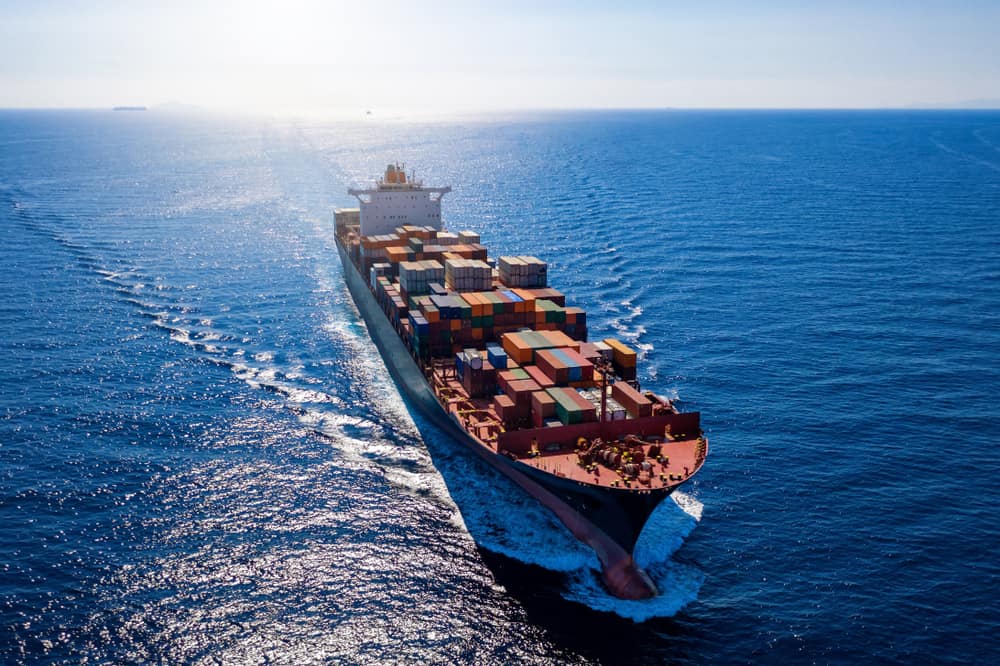
As liquefied natural gas (LNG) is emerging as a core energy source for carbon emission reduction, orders for LNG-powered container ships are expected to maintain a long-term growth trend.
South Korean media reports indicate that the proportion of orders for LNG-powered container ships will expand significantly within the next decade. Currently, there are a total of 218 LNG-powered container ships in operation globally, accounting for 3.5% of the total global in-service container ship fleet.
Compared to traditional marine fuels, LNG can effectively reduce carbon dioxide emissions. Unlike new-generation zero-carbon fuels such as methanol, ammonia, and hydrogen, which are still in the early stages of supply chain development, LNG already has well-established infrastructure in major ports, ensuring stable and reliable fuel supply. At the same time, following the International Maritime Organization’s (IMO) postponement of carbon tax implementation, shipping companies are actively seeking their own decarbonization strategies, which is expected to drive a rapid increase in orders for LNG-powered ships.
Data from market research firm S&P shows that the number of orders for LNG-powered container ships has surged from 194 at the end of 2023 to 362 in October 2024. Among all newbuild vessels, the proportion of ships equipped with LNG power has climbed from 23% to 40%.
Furthermore, data from DNV’s Alternative Fuels Insight (AFI) platform also confirms the continued expansion of the order scale for LNG-powered container ships. Its data shows that from January to October this year, the global newbuilding market recorded a total of 222 orders for alternative fuel vessels. LNG still dominates, with a total of 147 ships, accounting for 67% of the total orders for alternative fuel vessels this year. By ship type, container ships continue to lead the fuel transition, accounting for 65% of the total orders for alternative fuel vessels this year.
Source: Longde Shipman