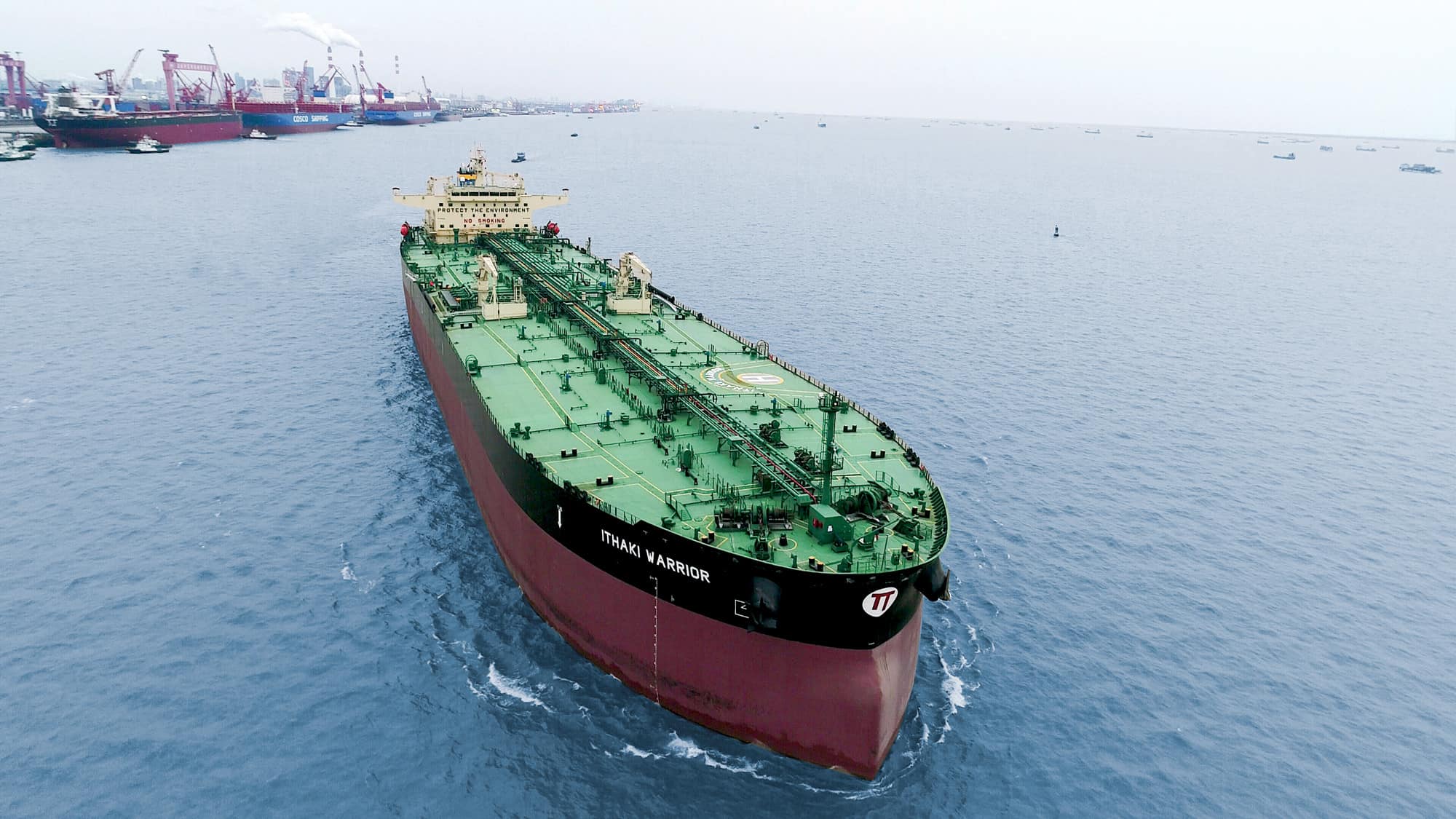
South Korean shipping major Pan Ocean has further strengthened its VLCC newbuilding programme, continuing an aggressive expansion strategy since the beginning of the year
The owner disclosed on 14 May via a stock exchange filing that it has placed an order for four VLCCs, with deliveries scheduled through November 2030. The contract is valued at approximately US$524M.
The filing did not identify the shipbuilder, but stated that the investment aims to enhance the company’s competitiveness in the wet bulk segment through the expansion of its VLCC fleet.
In March, Pan Ocean contracted an undisclosed shipyard, reportedly a subsidiary of China State Shipbuilding Corporation (CSSC), for a single VLCC valued at US$122M.
The company’s Q1 financial report showed an orderbook comprising three VLCCs and five MR tankers. Pan Ocean has also agreed to acquire 10 secondhand VLCCs from SK Shipping.
In addition, the owner has eight bulk carriers under construction, evenly split between the Newcastlemax and Ultramax segments.
Pan Ocean currently operates a fleet of 263 vessels, comprising 218 bulk carriers, 19 tankers, 14 LNG carriers, and 12 container vessels, including chartered-in tonnage.
VLCC ordering boom
VLCC orders have skyrocketed this year. According to BRS Shipbrokers’ latest monthly review, 85 vessels were contracted in Q1 2026, compared with just four in the same period last year.
“Not only that, but if Q1 2026 were a full year, it would rank as the third-highest year for VLCC orders on record, behind 2008 with 115 ships and 2006 with 107 units,” BRS noted.
This trend is particularly notable given that VLCC newbuilding prices in South Korea are currently around US$132M, approximately 26% above the 10-year average, amid extended delivery timelines.
BRS added that strong charter rates have generated significant cash flow for owners, enabling them to absorb higher newbuilding prices. It also suggested that the recent fleet expansion by MSC-Sinokor in the secondhand market may have encouraged other companies to reinforce their own fleets.
The sizeable orderbook is expected to enter the market over the coming years, with its impact likely to depend on how the 201 VLCCs in the “grey fleet” are regulated, as they account for nearly a fifth of the active fleet.