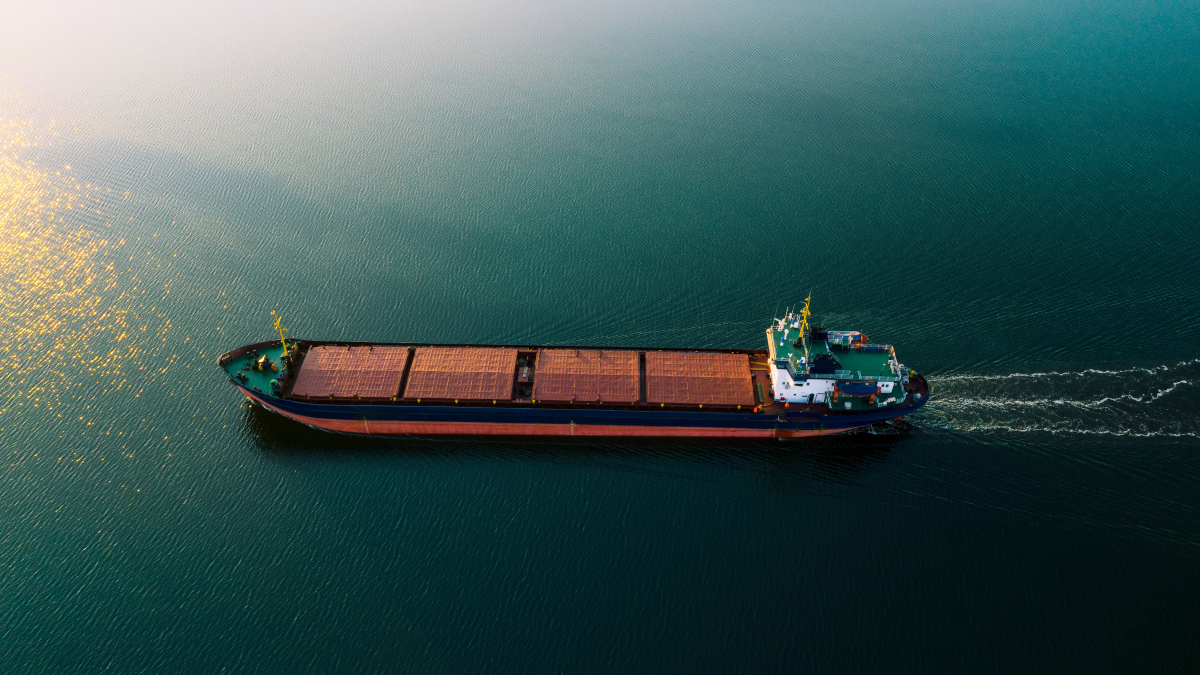
Almost 3,000 cows are set to return to Uruguay after being trapped on a cargo ship for months, unable to unload in Turkey. The ship, in precarious conditions, called Spiridon II, left Montevideo on September 19, bound for the port of Bandirma, and is only expected to arrive back in December.
With a shortage of food and water, most of the animals are not expected to survive the crossing, activists warn. The crew is also living in precarious conditions and has no training to care for the dying animals. Half of the herd is pregnant. Miscarriages are almost inevitable due to unsanitary conditions. More than 140 calves have been born, but have little chance of survival.
The shipment contained 2,901 cows destined for fattening and breeding activities. The vessel arrived in Turkey on October 22, after a journey of about one month. However, Turkish authorities denied permission for the cargo to be unloaded.
The problem was bureaucracy: Turkish inspectors identified that 469 animals were missing the mandatory ear tags or electronic chips. Due to the impasse over certification, the Spiridon II remained anchored for more than three weeks, unable to unload the animals.
As the days passed, the situation on board worsened drastically. Animal rights groups reported precarious conditions, including overcrowding and ventilation problems.
Initial estimates suggested that at least 58 cows had already died during the waiting period.
Representatives of animal welfare foundations warned that the ship did not carry enough feed for a prolonged journey. An intervention was necessary for the vessel to dock briefly and restock water and food before beginning the return.
After failed attempts to reach an agreement between Turkish and Uruguayan authorities, the ship began the long journey back to Montevideo this week. Arrival in the Uruguayan capital is scheduled for December 14.
The return, which requires another month of travel, has been described as a “journey of death” by Maria Boada Saña, a representative of the British foundation Animal Welfare, who considers it unlikely that most of the animals will survive the journey. The NGO warns that the animals “are not expected to survive.”
The Spiridon II ship, flagged in Togo and built in 1973, already had more than 80 documented deficiencies in previous inspections. An experienced veterinarian warned that the cramped and unsanitary conditions make miscarriages almost inevitable and hinder the survival of the calves.
The situation is also dramatic for the crew, who are living in precarious conditions and do not have the necessary training to care for severely ill animals. There is significant concern that the dead animals will be thrown overboard, a practice that is difficult to control.
Animal protection organizations emphasize that this tragedy is not an isolated case, but rather a systemic failure that occurs as ships loaded with animals cross the oceans. For this reason, they demand a total ban on the export of live animals by sea.
Source: G1