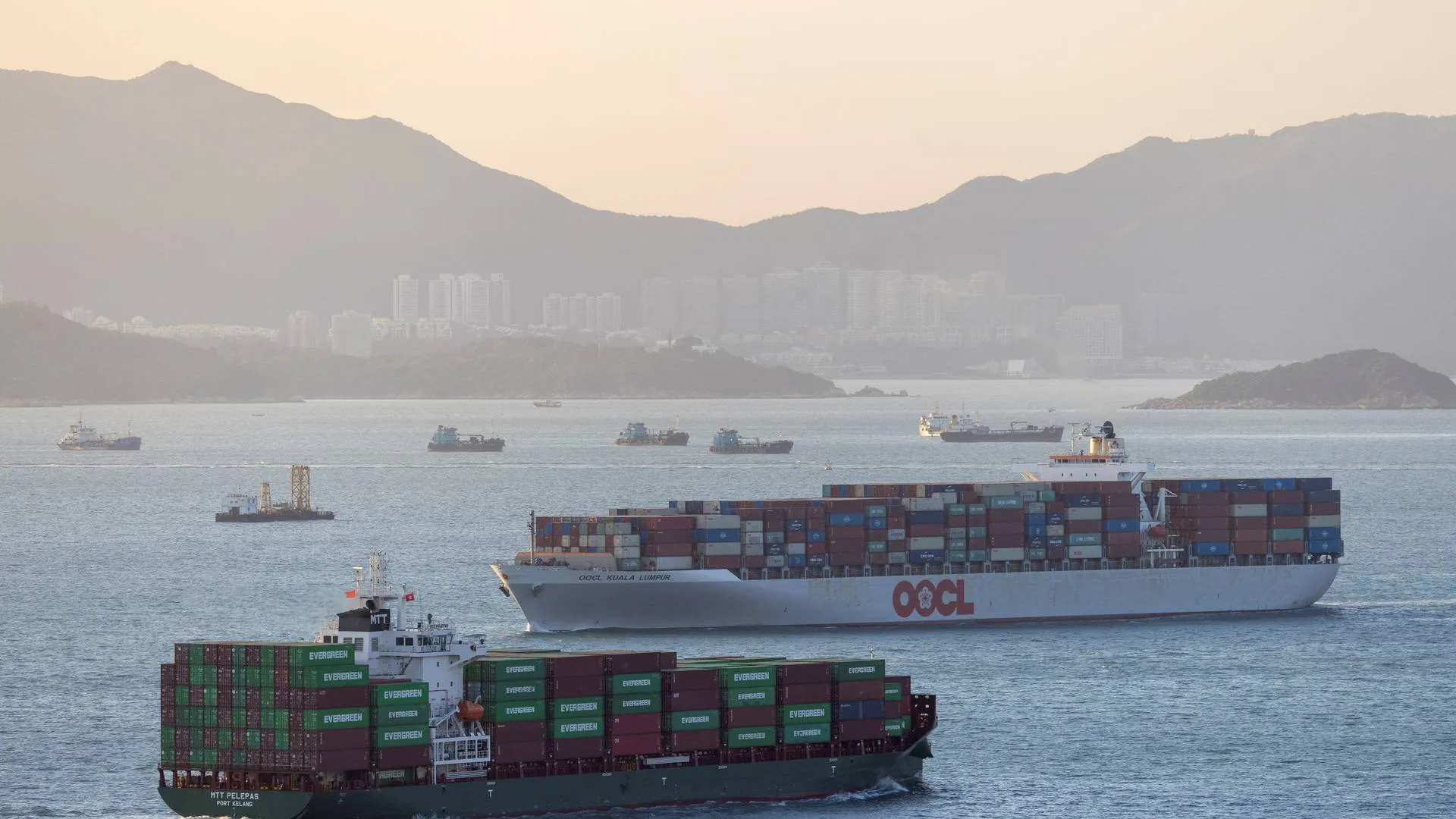
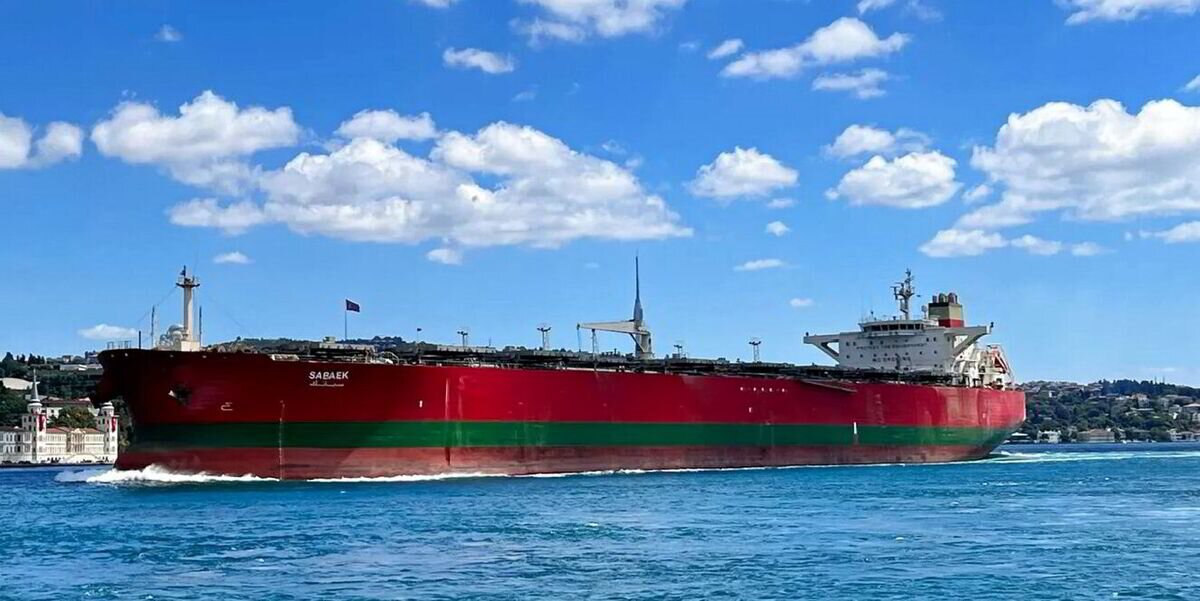
Recently, the U.S. Federal Maritime Commission (FMC) completed two significant enforcement actions, imposing fines totaling $1.35 million.
Vessel-Operating Common Carrier (VOCC) Hyundai Glovis and Non-Vessel-Operating Common Carrier (NVOCC) Olympiad Line LLC paid civil penalties of $1.3 million and $50,000 respectively to settle related violation allegations for breaching relevant provisions of the U.S. Shipping Act.
The specific reasons for the penalties are as follows: The FMC’s investigation into Hyundai Glovis found that, for over a year, the company engaged in two major issues: “providing liner services that did not comply with the rates, charges, and operational practices listed in its published tariff,” and “failing to publish a tariff containing all currently effective rates as required while operating as a common carrier.” These violations involved a substantial volume of cross-border freight business.
The FMC’s charge against Olympiad Line LLC was that it had “charged rates that did not comply with its published tariff” in its liner services.
This enforcement action once again highlights the FMC’s strict regulatory stance on tariff compliance by shipping companies following the implementation of the Ocean Shipping Reform Act of 2022 (OSRA).
However, it is noteworthy that the FMC explicitly stated in its announcement that while both carriers agreed to the penalty amounts through compromise agreements, they did not admit to violating the Shipping Act or FMC regulations.
The destination of the penalty funds has also attracted significant industry attention.
According to FMC regulations, the $1.35 million in fines paid by the two carriers will be deposited in full into the U.S. Treasury’s General Fund. The FMC itself does not receive any portion of these funds. This move aims to emphasize the regulatory and deterrent nature of the penalties, rather than serving as a revenue-generating purpose.
Industry analysis suggests that this enforcement action is a microcosm of the FMC’s efforts to strengthen oversight of the shipping market.
Since the OSRA 2022 came into effect, the FMC’s regulatory authority has significantly expanded. This includes shifting the burden of proof for detention and demurrage charges to the carriers and granting the regulator the power to initiate investigations proactively without relying on shipper complaints.
Against this backdrop, the FMC has significantly increased the frequency of enforcement actions in recent years targeting issues such as tariff violations and insufficient billing transparency. This simultaneous penalty against two different types of carriers is also seen as a further signal of a “comprehensive coverage, strict enforcement” regulatory approach.