Image Credits: Philippine Coast Guard
The Philippines has announced strict action against the illegal entry of Chinese ships into its territorial waters.
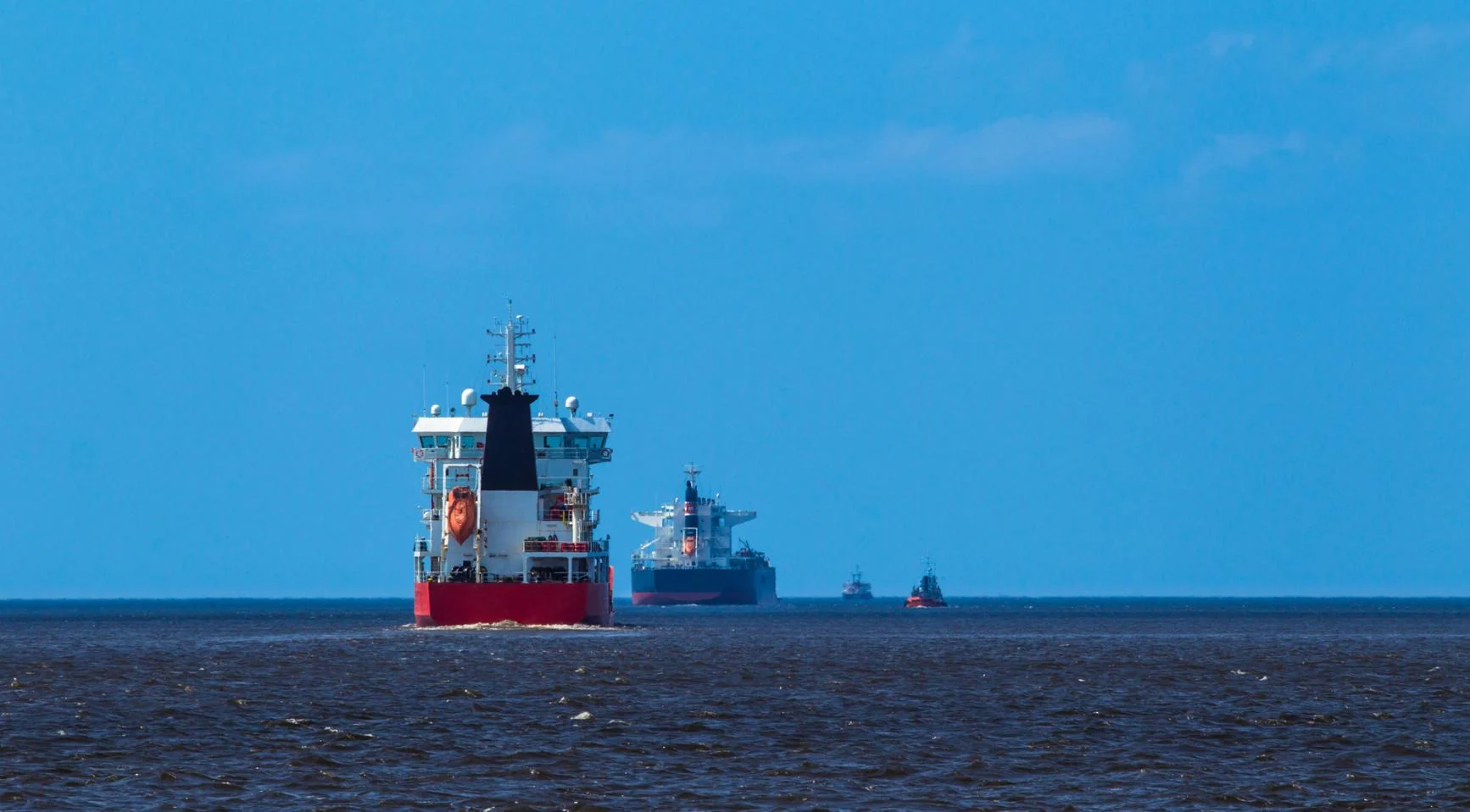
The Coast Guard has decided to send aircraft and patrol ships to drive away Chinese research vessels sailing near the Spratly Islands.
Per a statement by the PCG spokesperson Commodore Jay Tarriela, the Chinese ships are conducting maritime scientific research without taking prior permission from the government.
This violates the United Nations Convention on the Law of the Sea, which states that a foreign country must obtain the consent of the coastal country before conducting marine scientific research within its Exclusive Economic Zone.
PCG Commandant Admiral Ronnie Gil Gavan said that Manila will not tolerate any illegal activities and will take appropriate measures against Beijing to safeguard the country’s sovereignty.
This development comes amidst an increase in skirmishes between the navies of China and the Philippines in the contested South China Sea, which Manila refers to as the West Philippine Sea.
40 Chinese Ships Maintain Illegal Presence In Philippines’ EEZ
The Philippine Coast Guard (PCG) mentioned that there are more than 40 Chinese ships sailing around the Kalayaan Island Group in the West Philippine Sea.
PCG’s Islander 4177 aircraft identified a Chinese research ship, the Xiang Yang Hong 33, 7.34 nautical miles west of Rozul Reef.
The Chinese vessel was seen sending a service boat towards the reef, and a Chinese Coast Guard ship, the CCGV BN 5309, was also seen nearby.
The Xiang Yang Hong had reportedly left China in mid-April, and, since then, has been involved in several survey activities within the Philippines’ exclusive economic zone.
Simultaneously, PCG aircraft also spotted and monitored 28 more Chinese militia vessels anchored near Cay 1 and Cay 2.
Why China Refuses to Honour the 2016 Hague Ruling
China claims almost all of the South China Sea, a waterway that handles over $3 trillion in annual maritime trade, including islands claimed by the Philippines, Vietnam, Indonesia, Malaysia, and Brunei.
The government has renamed parts of the South China Sea that fall within Philippine territory as the West Philippine Sea to reinforce the country’s claim.
The West Philippine Sea refers to the maritime areas on the western side of the Philippine archipelago, such as the Luzon Sea and the waters around, within and adjacent to the Kalayaan Island Group and Bajo de Masinloc.
In 2016, the Permanent Court of Arbitration in the Hague gave a verdict in favour of the Philippines in the South China Sea, saying that China’s claims had ‘no legal basis’.
However, China has not paid heed to international arbitration or verdicts and has not only upheld those claims but pushed them with more aggression, which has led to dangerous manoeuvres between Chinese and Philippine vessels, such as the use of water cannons and increased Chinese deployment around the Scarborough and Second Thomas Shoals.
China’s Aggressive Tactics Towards Philippine Resupply Vessels
In April, China installed a 352 m floating barrier at the entrance of the Scarborough Shoal, obstructing access of Filipino fishing boats and also interfering with Philippine resupply missions.
At the beginning of this month, Manila dealt with a Chinese drone mothership, the Juhai Yan or Yuanyan, operating within Philippine waters.
Key areas of contention include the Second Thomas Shoal and Scarborough Shoal, where Chinese coast guard vessels have often harassed Philippine resupply ships.
The Philippines has maintained a military presence on a grounded World War II ship, the BRP Sierra Madre, at the Second Thomas Shoal to assert its sovereignty, which has not been accepted by China, leading to water cannon incidents and near-collisions between Chinese and Philippine vessels.
China has controlled the Scarborough Shoal since a 2012 standoff and denied access to Filipino fishermen.
Strategic Importance of the South China /West Philippine Sea
The Chinese interest in the waterway stems from its importance as a key fishing site, with potential oil and gas deposits and its favourable geographical location.
In the past few years, Chinese Coast Guard vessels have used military-grade lasers, water cannons, ramming, deliberate collision tactics and illegal entries into the waters of the Philippines to pressurise Manila into giving up its presence on the contested waterway’s islands and shoals.
Changing Stance of Manila
Under President Ferdinand Marcos Jr., the Philippines has taken a firmer stand against these frequent Chinese intrusions compared to the previous government.
There have been several reports and even sightings of Chinese fishermen damaging the reef systems, and recently, the Philippines has blamed China for destroying fishing grounds by using cyanide, which Beijing has denied.
Strengthening Ties With U.S & Regional Allies
The Philippines has strengthened its diplomatic ties with the U.S and other allies in the region and the West to tackle China, but this has fueled regional instability. Meanwhile, China has also adopted an aggressive policy against Taiwan.