In the first quarter of 2026, Greek shipowners’ investment scale in the newbuilding market has exceeded the $10 billion mark, with investment interests spanning across all major shipping sectors. Shipbroker Xclusiv pointed out in its latest weekly report that Greek shipowners’ newbuilding orders reached a new high in the first quarter of this year, placing a total of 102 vessels across the four major ship type sectors, with a total value of approximately $10.1 billion. Compared to the 28 orders in the first quarter of 2025, the volume increased by 3.6 times, making it the quarter with the highest capital expenditure. Tankers are undoubtedly the core driver of this investment wave, but the breadth of orders—covering large crude oil tankers, LNG carriers, dry bulk carriers, and small to medium-sized container ships—reflects that Greek shipowners are strategically reallocating assets at a pace and scale rarely seen in recent years.
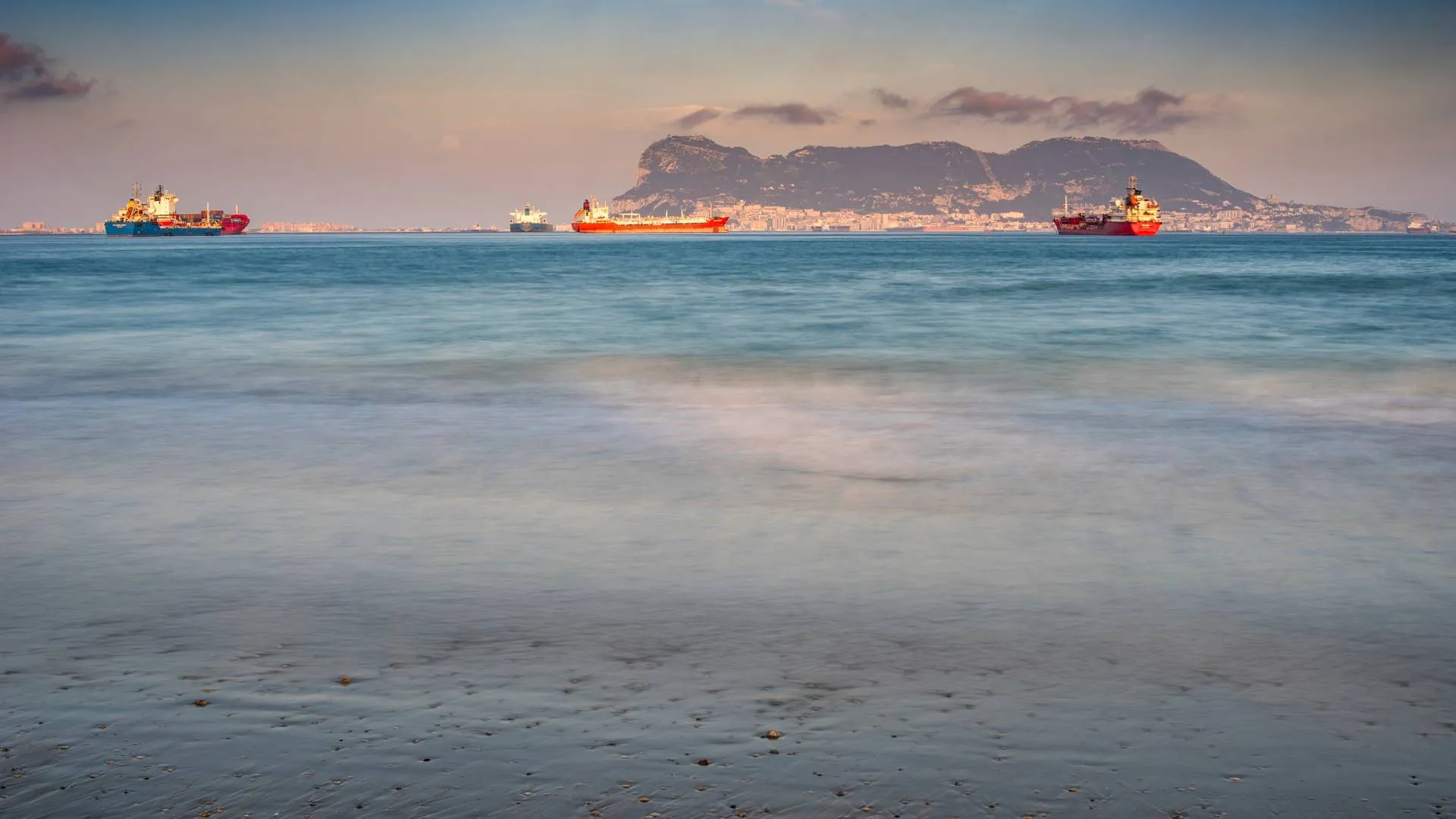
Xclusiv data shows that in the first quarter of 2026, tankers dominated Greek shipowners’ newbuilding investments, ranking first in both order volume and capital expenditure. Greek shipowners placed a total of 63 tanker orders, valued at approximately $6 billion, more than doubling the previous historical peak of 48 orders set in the second quarter of 2024. The concentration on large vessel types is particularly striking: orders for 24 /ULCCs and 23 Suezmax tankers together account for 75% of the total Greek tanker orders, with a total value exceeding $5.1 billion. In contrast, in the first quarter of 2025, Greek shipowners placed only 2 VLCC and 9 Suezmax tanker orders. This accelerated growth reflects shipowners’ reassessment of structural factors in long-haul crude oil routes: longer voyage distances, sanction-driven fleet fragmentation, and persistent geopolitical premiums are prompting shipowners to secure shipbuilding capacity while berth resources are still available. As of the end of the first quarter of 2026, the Greek tanker orderbook surged to 381 vessels, a significant increase from 310 vessels in the fourth quarter of 2025 and 286 vessels a year earlier. This trajectory highlights the swift pace at which Greek shipowners are restructuring their fleet composition, centered on large crude oil carriers.
Dry bulk carriers, meanwhile, show a cautious scale migration trend. In the first quarter of 2026, 16 orders were recorded, with a total value of approximately $1.05 billion. While the volume appears modest, the vessel type composition is highly targeted. Six Capesize and six Newcastlemax vessels together account for 75% of the quarter’s bulk carrier orders, while Handysize vessels recorded zero orders for the third consecutive quarter. Greek shipowners are clearly shifting towards higher-yield large vessel types, consistent with the earnings premiums that Capesize and Newcastlemax vessels have continuously enjoyed in recent freight rate cycles. The Greek dry bulk carrier orderbook has rebounded from a trough of 150 vessels in the third quarter of 2025 to 185 vessels.
Gas carriers show a structurally sustained expansion in the Greek orderbook. Eleven orders were recorded in the first quarter, including nine large LNG carriers ranging from 141,000 to 200,000 cubic meters, plus two smaller vessels, with a total value of approximately $2.4 billion, making it the quarter with the highest capital expenditure on gas carriers. The total Greek gas carrier orderbook has reached 104 vessels, reflecting a shift in shipowners’ asset decisions towards large LNG carriers, which seemed unimaginable two years ago.
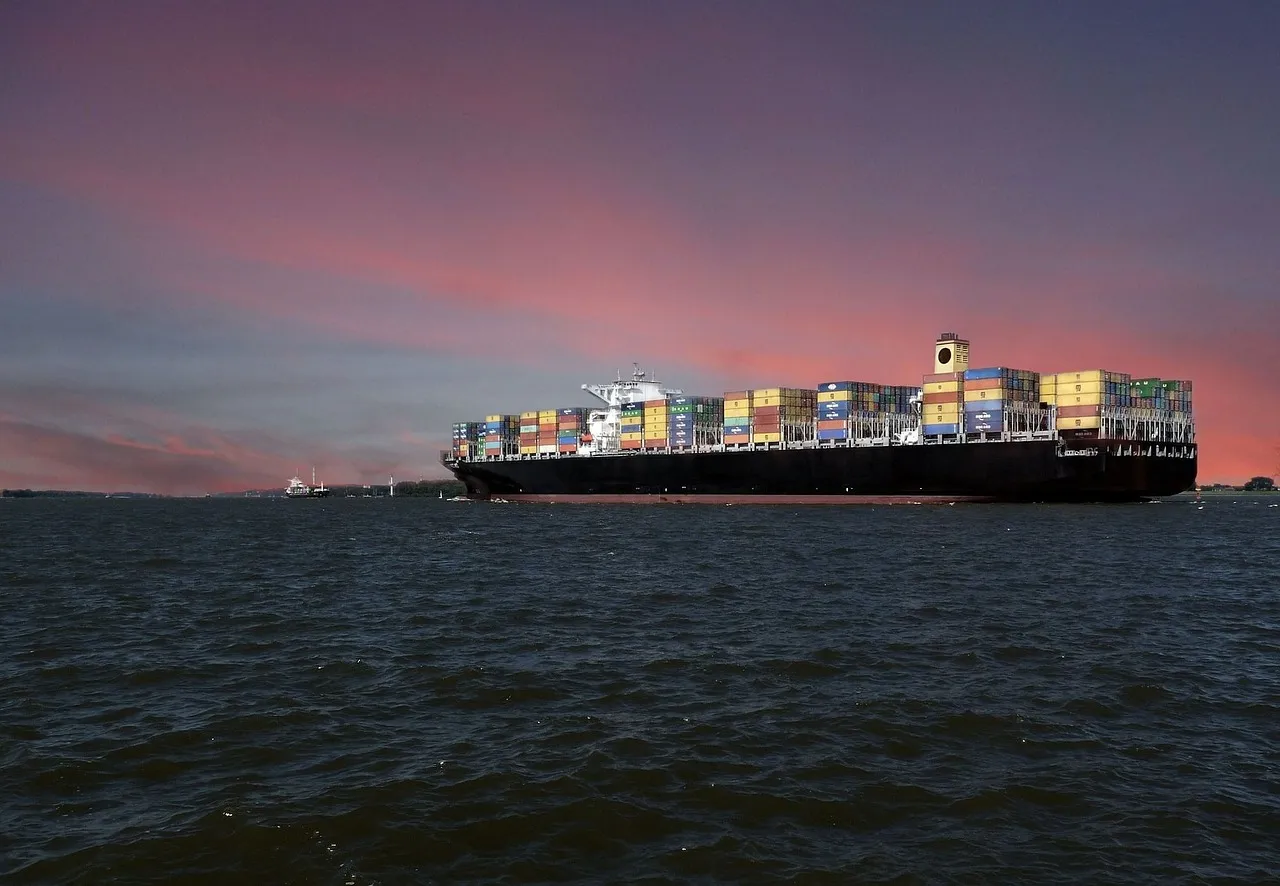
Container ship orders remain cautious and strictly controlled in volume. A total of 12 orders were placed in the first quarter, all for feeder and Handy container ships, with a total value of approximately $578 million, pushing the Greek container ship orderbook to a record high of 168 vessels in this data series. However, there were no orders at all in the Neo-Panamax and VLCV segments, indicating shipowners’ clear preference for liquidity and flexibility over betting on the large vessel niche market.
Xclusiv concludes that, taken together, the first quarter of 2026 marks a decisive turning point: Greek shipowners deployed capital on an unprecedented scale, with the vast majority directed towards large vessels and concentrated in sectors where freight economics and geopolitical structures are most resilient.