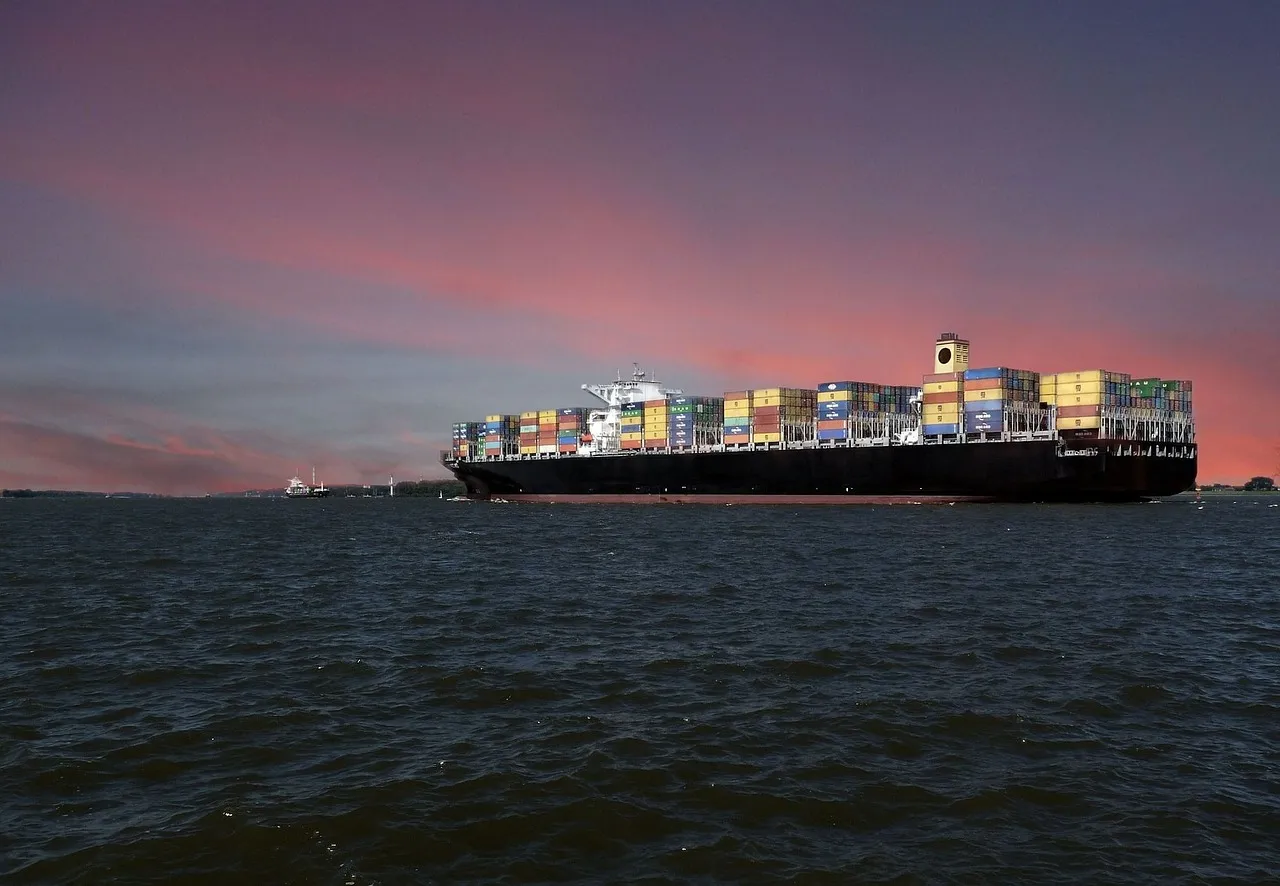
Closure of the Strait of Hormuz Reshapes Dry Bulk Market Expectations, but Market Remains Resilient
The closure of the Strait of Hormuz has become a decisive variable affecting the dry bulk market in 2026. Spot freight rates remain generally firm—but risks are unevenly distributed, with the duration of the crisis being the current key factor.
Market Conditions: Firm but Recalibrated
The forward freight agreement market is pricing in Capesize vessel daily earnings remaining above USD 30,000 for the remainder of this year. The market’s forward confidence has withstood this shock—it is not pricing in a collapse.
Smaller vessel segments face a different situation. Operators of Panamax, Supramax, and Handysize vessels are under direct pressure, due to disruptions in fertilizer and grain loading, reduced activity in Gulf ports, and charterers’ hesitation towards period charter commitments.
Newbuilding Orders: Cautious, but Not Collapsed
Newbuilding orders surged in early 2026 but dropped sharply as the crisis deepened. Spring contracting volumes were only a fraction of those in the same period last year—shipowner sentiment has shifted from active to wait-and-see.
Despite the market correction, secondhand asset prices remain firm. Among them, Supramax vessel prices have shown particularly strong resilience. Firm pricing indicates that market confidence in medium-term demand has not wavered.
Coal Substitution Effect
The Strait closure—combined with rising oil and gas prices—is accelerating coal substitution. Energy-importing countries are replacing natural gas with coal, which directly increases dry bulk demand on key trade routes. This trend may prove more enduring than short-term demand surges.
Key Risk: Crisis Duration
The forward freight curve suggests the market expects the crisis to be resolved in the short term, without a global recession. If this scenario fails to materialize, market conditions could deteriorate significantly beyond levels reflected in current pricing.
A prolonged closure has the potential to push major economies towards contraction. Dry bulk demand is closely tied to GDP, and any recession signal would be a clear negative for the freight market. Potential fertilizer shortages would further increase downside risks.
Why This Matters for China
China is both affected by and stands to benefit from this crisis—depending on vessel type and cargo.
Coal substitution is increasing demand on energy cargo routes to China. For operators running these cargo flows, this is a short-term positive. If coal substitution proves structural, it could represent a long-term demand shift, benefiting operators serving China’s import flows for years to come.
Risks are concentrated in the agricultural sector. Agricultural trade to China relies on stable Persian Gulf and Middle Eastern supply chains. A prolonged closure will strain these supply chains and increase the risk of fertilizer shortages impacting Chinese imports.
Chinese shipowners focused on Capesize and Newcastlemax fleets are in a better position than peers focusing on small and medium-sized vessels, who face more severe pressure on vessel utilization. For shipowners holding a medium-term market recovery view, current firm secondhand vessel prices provide a window for asset trading.
Actions Operators Should Take Now
Managing voyage economics in a crisis-disrupted environment requires real-time visibility into Carbon Intensity Indicator (CII) risk exposure, cargo cost apportionment, and freight positions.
IMOS provides operators with tools to monitor performance and apportion costs across voyages—critical in today’s rapidly changing market environment. Please scan the QR code below to contact us or request a demo to learn how Veson can support your operations.