A recent publication by the national Science Foundation (NSF) reveals plans to end the lease of the research icebreaker Nathaniel B. Palmer in fiscal year 2026. This move is part of a broader strategy to focus resources on three key Antarctic stations—McMurdo, Amundsen-Scott South Pole, and Palmer—managed by the NSF under the U.S. Antarctic Program (USAP). In light of this decision, over 170 researchers have reached out to NSF officials and Congress, urging them to rethink this course of action. The letter from scientists emphasizes that since 1968, there has always been a dedicated research vessel operating in Southern Ocean waters. They argue that such vessels are irreplaceable for accessing remote areas covered in sea ice and for conducting complete oceanic and coastal studies. Additionally, they raised concerns about geopolitical dynamics; countries like China, Korea, Japan, Britain, and Australia are ramping up their marine operations in Antarctica while it truly seems that the U.S. is pulling back.
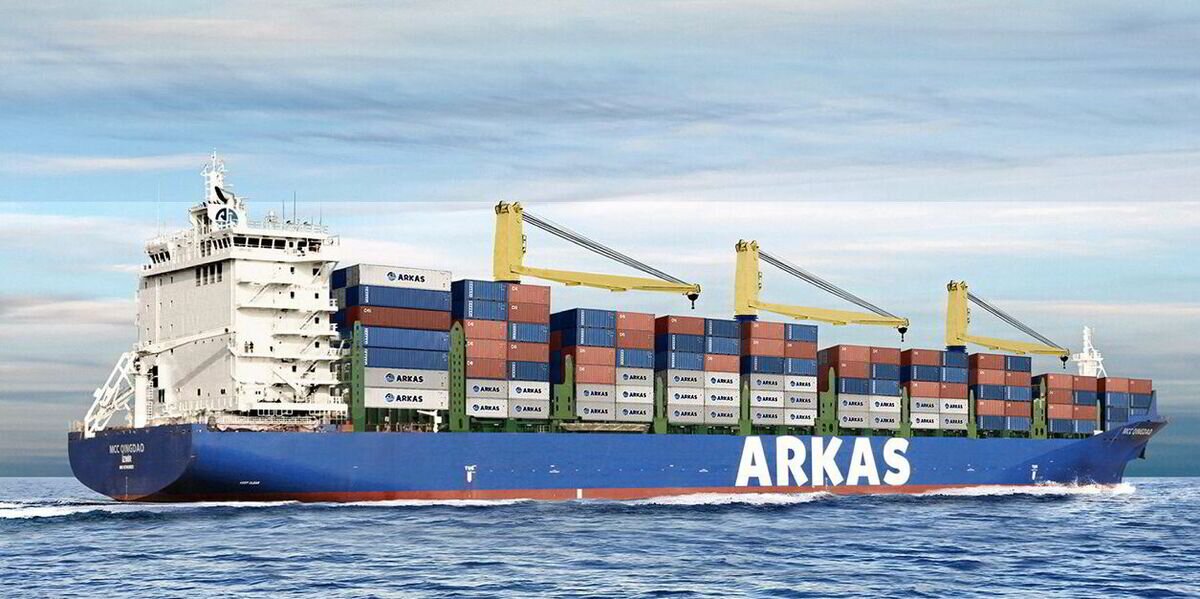
The Nathaniel B. Palmer itself is an impressive 308-foot ice-class ship capable of navigating through three feet of solid ice at a speed of three knots. It can host up to 39 scientists and crew members and operates under a long-term agreement with Offshore Service Vessels LLC based in Louisiana. The vessel honors Nathaniel B. Palmer (1799-1877), who some historians believe played a pivotal role in discovering Antarctica.
The scientific community isn’t just advocating for maintaining the current lease; they’re also calling for innovative advancements toward new generations of Antarctic research vessels that will ensure continued U.S leadership both scientifically and geopolitically in these crucial southern regions.
Stay updated with daily maritime insights by subscribing to our newsletter—join our community of over 108,827 members!