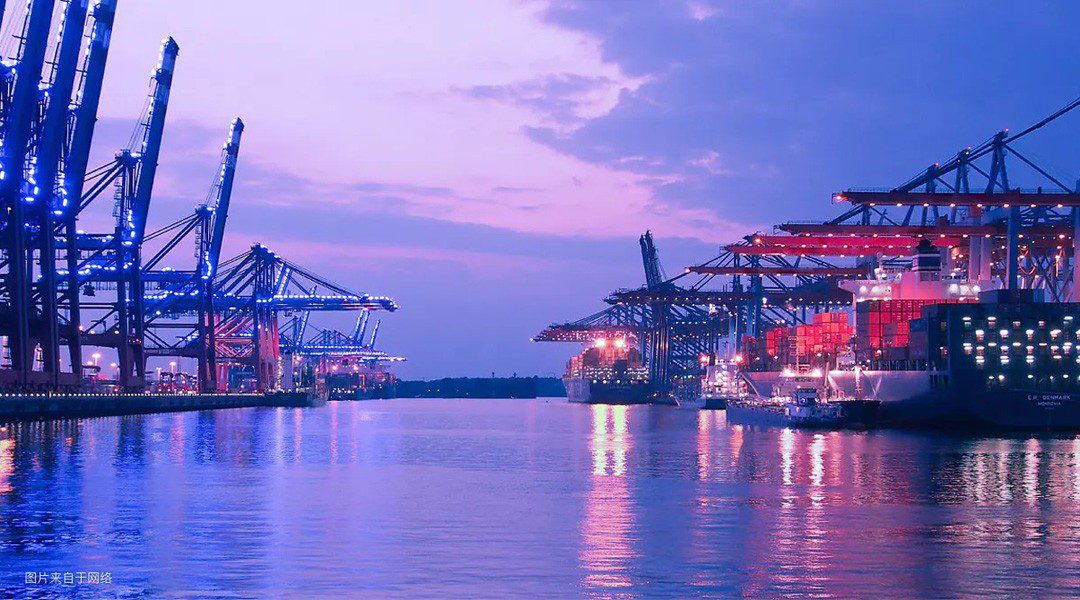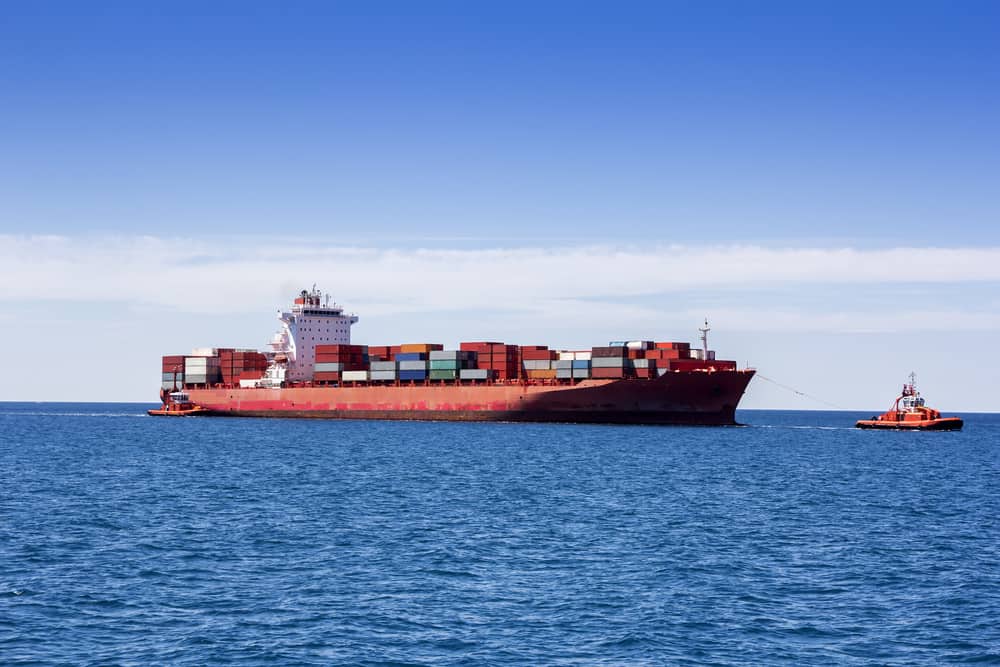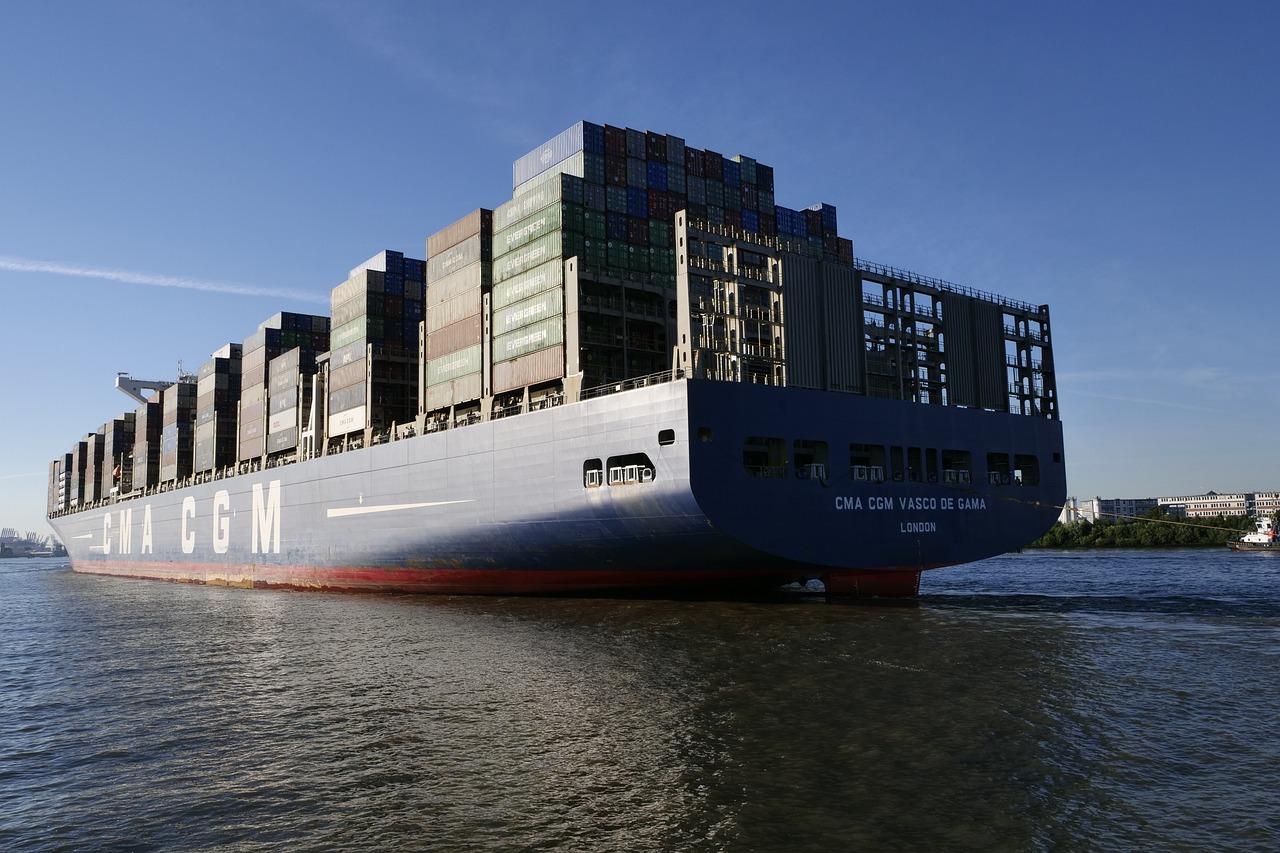
Korea secured roughly 210 million barrels of crude oil for May to July — more than 80 percent of the volume imported over the same period last year, despite massive supply shocks due to the Iran war — easing looming fears that a protracted Iran war could trigger an oil shock as early as May.
Among non–Middle Eastern suppliers, imports from the United States have surged most conspicuously, marking the sharpest increase in Korea’s diversified sourcing mix.
“Total crude demand is expected to be fully covered from May to July through overseas imports, swap arrangements, and private stockpiles,” said Vice Industry Minister Moon Shin-hak during a press briefing Thursday afternoon at the government complex in Sejong.
“We are also in talks with UAE’s Adnoc and Saudi Aramco on cooperation for joint strategic stockpiling.”
Detailed projections indicate that more than 75 million barrels are expected in May, over 60 million barrels in June, and more than 70 million barrels in July. These figures include a 250 million-barrel volume secured from Saudi Arabia through a special envoy mission by the presidential chief of staff, portions of which will begin arriving during the spring and continue to be delivered after July with no set timeline.
“We are also actively pursuing crude supply from Venezuela, and supply announcements will be made in a short time,” Moon said.
The remarks come amid growing concerns that the continuous blockade of Strait of Hormuz — through which roughly 20 percent of global crude flows — has fueled warnings that an oil shock may materialize as early as May.
Goldman Sachs has estimated that global crude inventories are now approaching their lowest level in nearly eight years. It also predicted that stocks of refined products such as gasoline, diesel, and jet fuel are projected to cover only about 45 days of demand.
Moon also projected that naphtha supply between May and July would recover to more than 90 percent of pre-war levels, with operating rates at naphtha cracking center facilities also expected to rebound above 90 percent.
The Industry Ministry on Thursday also announced that it will freeze its fifth round of maximum oil price controls, which will take effect at 12 a.m. Friday and run for two weeks.
Under the policy, ceiling prices for gasoline, diesel, and kerosene supplied by domestic refiners to gas stations will remain unchanged at 1,934 won per liter ($5.04 per gallon) for gasoline, 1,923 won for diesel, and 1,530 won for kerosene. This marks the third consecutive freeze, extending a series of price-cap rollovers from the third round onward.
“Thanks to the oil price cap policy, we suppressed potential increases of about 200 won for gasoline, 400 won for diesel, and around 600 won for kerosene,” Moon said.
“I also acknowledge the criticism that fuel consumption would have fallen further without the price cap system, but this measure is fundamentally designed to stabilize livelihoods,” he added. “At the same time, we are appealing to the public to reduce consumption where possible.”
Moon reiterated that losses incurred by refiners under the ceiling price regime will be fully compensated by the government.
A government-led compensation committee is expected to be established in May to deliberate payouts with private firms, based on loss data submitted by refiners covering an approximate three-month period through the end of June.
Source: Korea JoongAng Daily