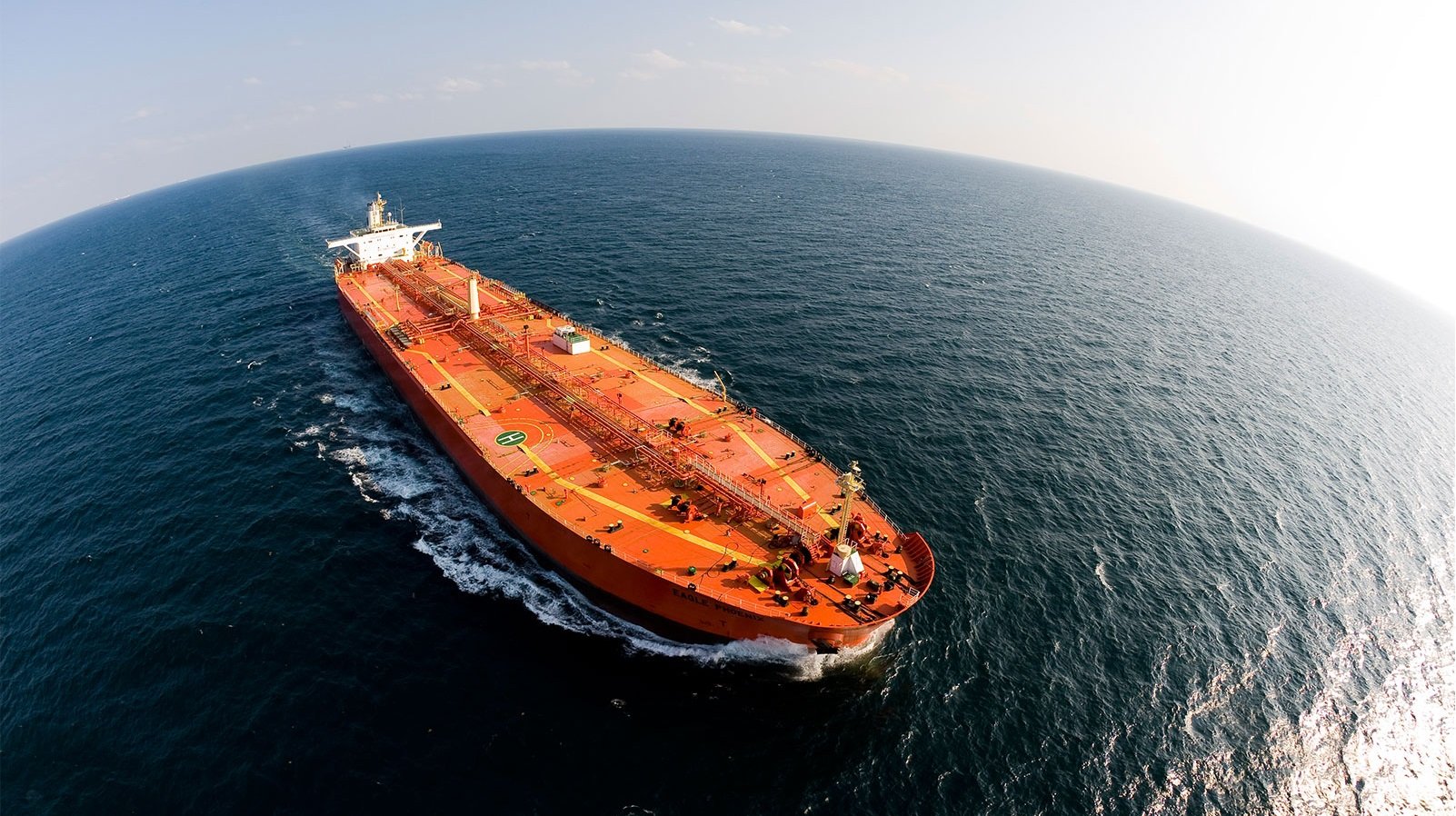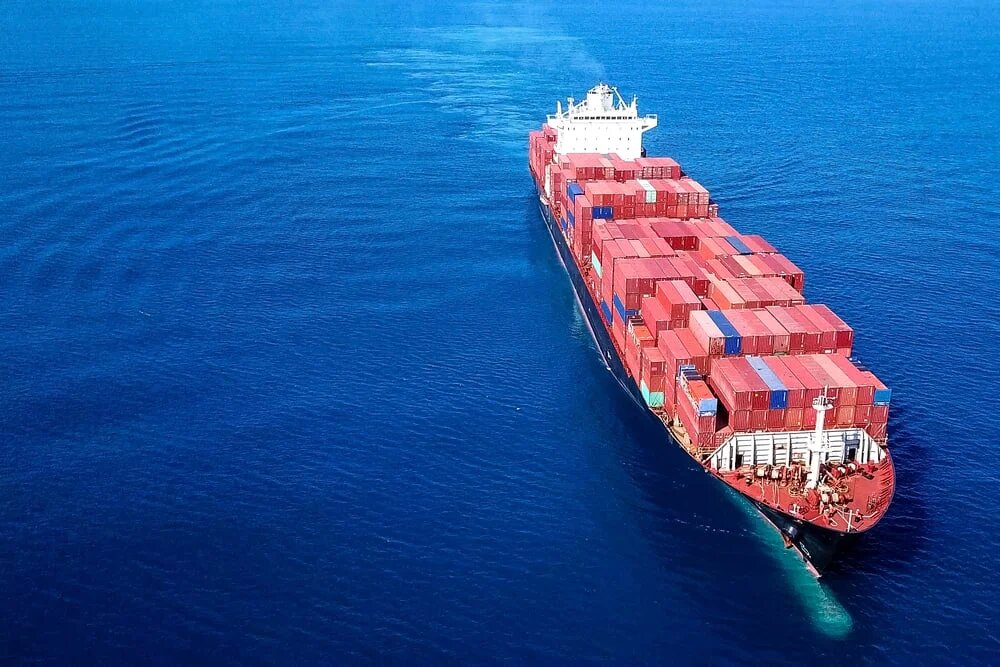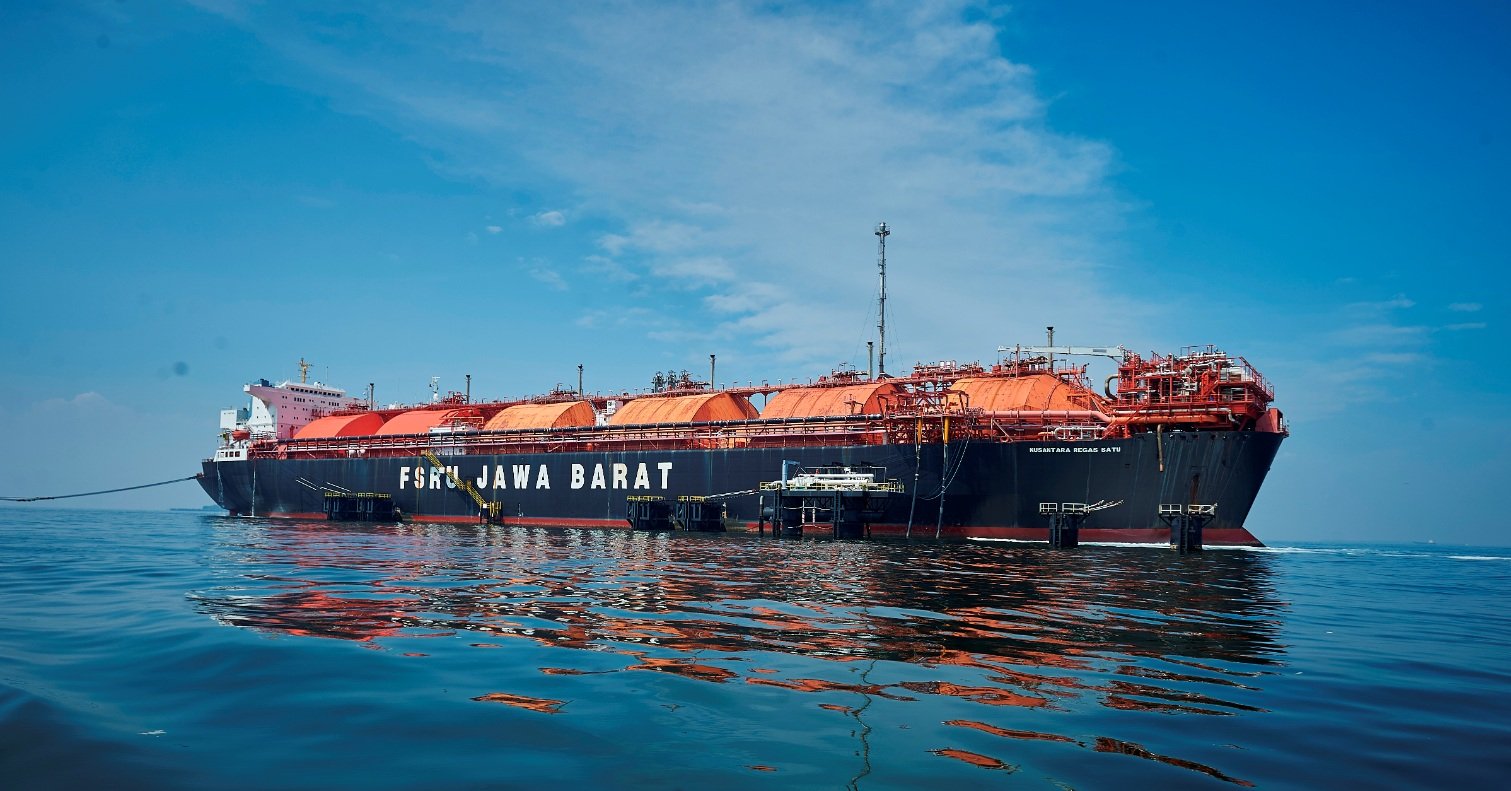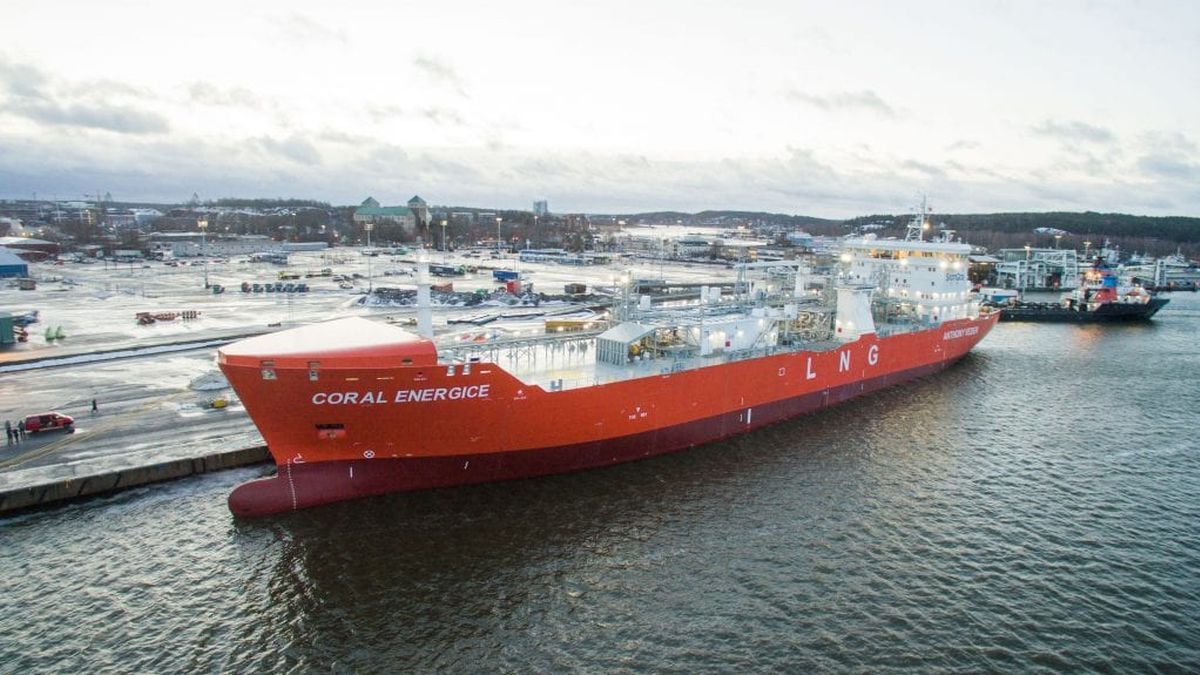
The Northeast of Brazil concentrates important organized public ports and private use terminals (TUP) and according to data from the Waterway Statistics of the National Waterway Transport Agency (Antaq), for the month of February, reveal that the main cargo handled in the region was oil and derivatives excluding crude, that is, refined products such as fuels, with a total of 2.1 million tons handled in the period, representing a significant growth of 29.59% compared to the same month of the previous year.
In total movement, the ports of the Northeast recorded 9 million tons shipped in February, an increase of 6.68% in the annual comparison.
According to the Minister of Ports and Airports, Tomé Franca, the results demonstrate the solidity of the port infrastructure of the Northeast and the fundamental role of the region in driving the national economy.
“The ports of the Northeast are strategically important for the supply, industry and flow of Brazilian production. The investments made in recent years have increased the logistical efficiency of the region and created conditions to attract new companies, generate employment and strengthen regional development,” stated Franca.
In addition to oil and its derivatives excluding crude, the second main cargo handled was oil and its derivatives including crude, that is, unrefined, which recorded 1.6 million tons handled and a growth of 11.48%. In third place is salt, with a movement of 568,000 tons and a significant growth of 38.45% in the period.
Among the main ports of the region is the Port of Suape (PE), with a cargo volume of 2.1 million tons and a growth of 19.32%. It is followed by the private terminal of Madre de Deus (BA), with 2 million tons managed and an increase of 19.33%.
The port terminal of Pecém (CE) recorded a movement of 1.7 million tons, representing a growth of 0.33%. Meanwhile, the Port of Aratu (BA) experienced a significant increase of 20.23%, with a movement of 555,000 tons.