A report published today Oslo-based Cefor — as it is known by its abbreviated Norwegian name — said that such blazes typically affect older vessels and certain vessel types.
The document highlights trends and risks associated with these fires and emphasises the importance of maintenance and prevention measures.
Engine room fires rose from annual tallies in the high teens in the late 2010s, peaking at 47 in 2021. Since then they have stabilised in the low 30s, Cefor found.
Both the frequency and cost of engine room fires are highest for the oldest vessels, indicating increased risk and expense as the fleet ages. However, individual outlays are generally small.
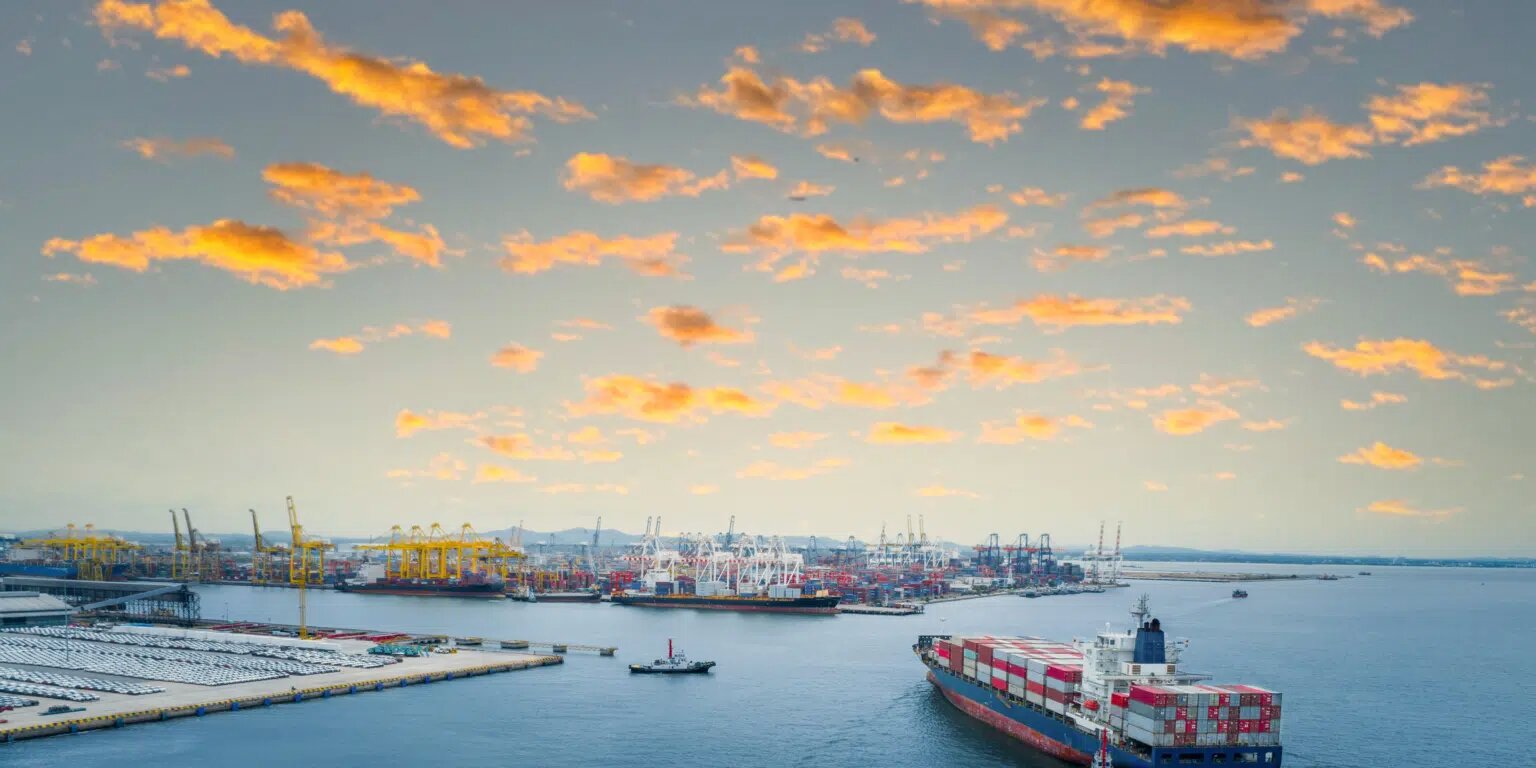
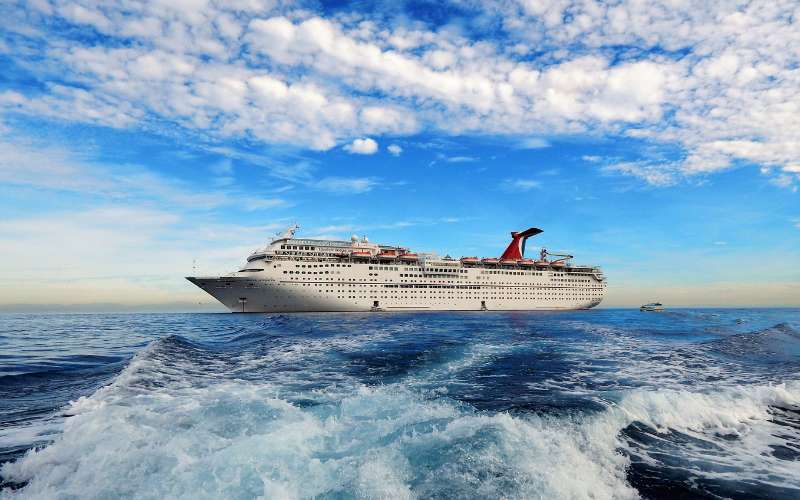
Boxships, passenger vessels and ro-ros have two to three times higher frequency of engine room blazes than bulk carriers and tankers, with passenger vessels experiencing the highest and most volatile claims costs.
There has also been a sharp increase in the cost of machinery claims, partly explained by the ageing of the world fleet.
The issue of fires caused by leakage from low pressure fuel pipes, identified as one of the causes of engine room fires, has been addressed in a memo from the Cefor technical forum and has been followed up in discussions with the International Association of Classification Societies and the International Maritime Organization.
The report is based on hull and machinery insurance claims data from Cefor members up to December 2025, including claims above $10,000, with adjustments for incurred but not reported claims.