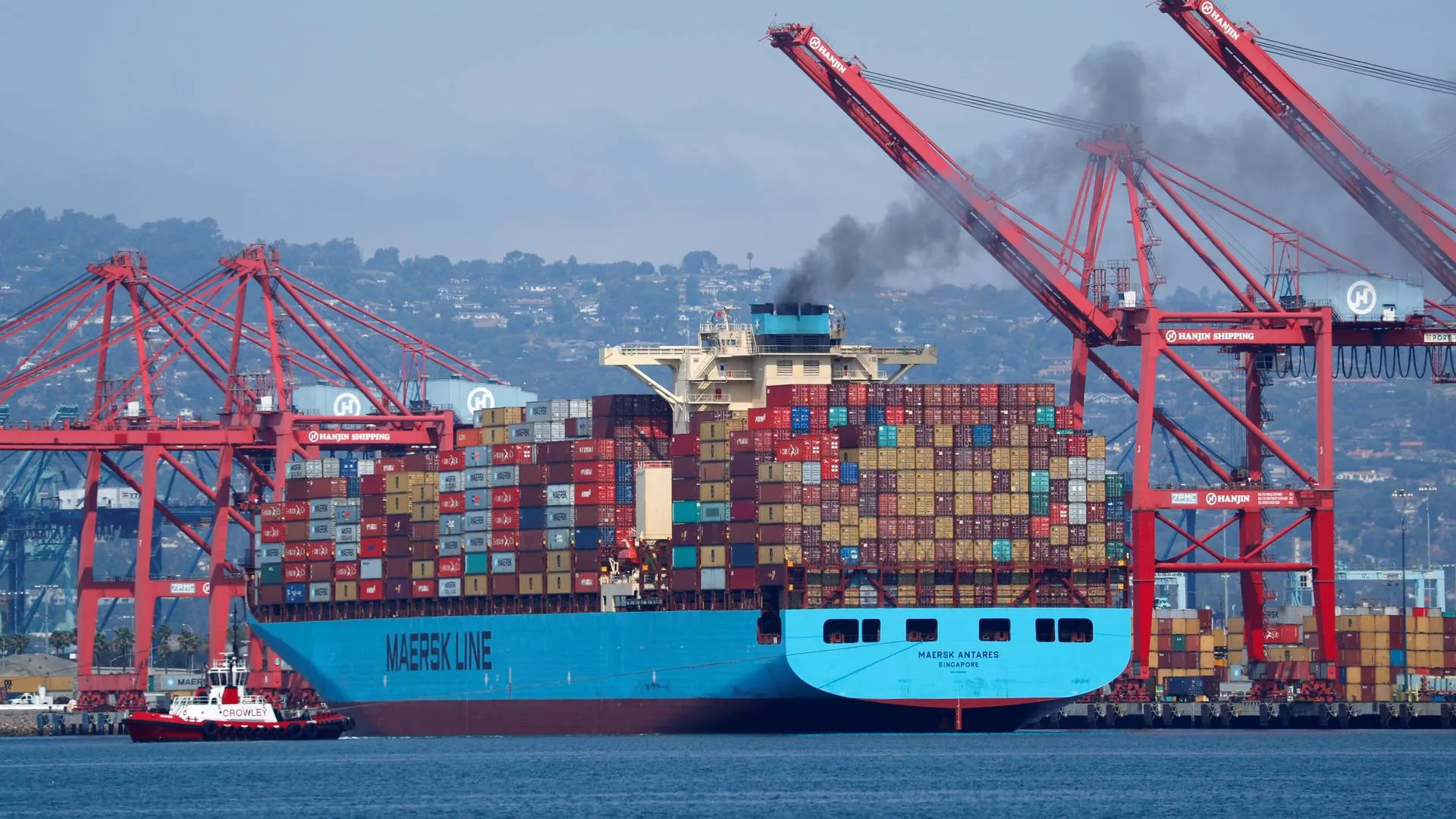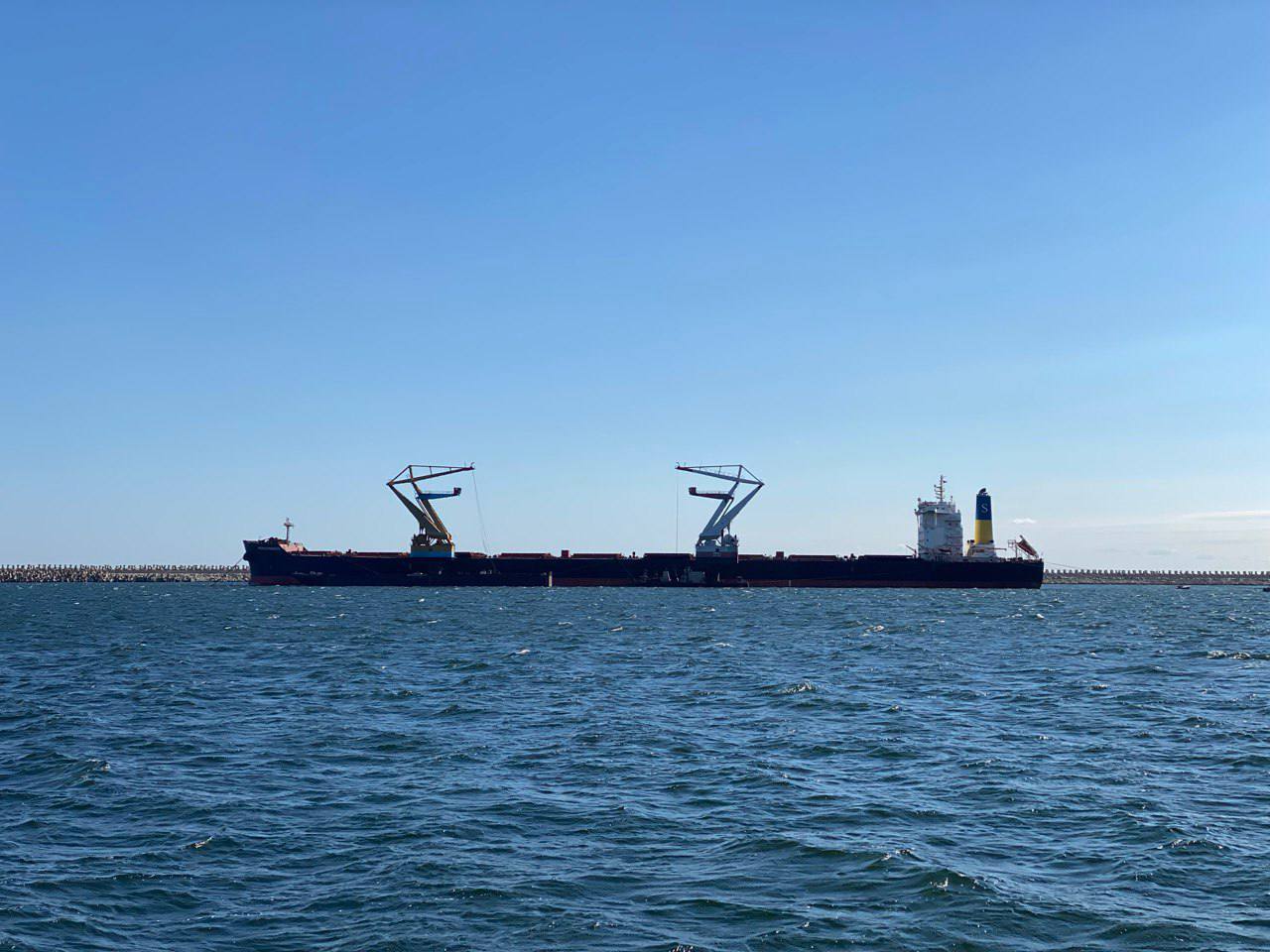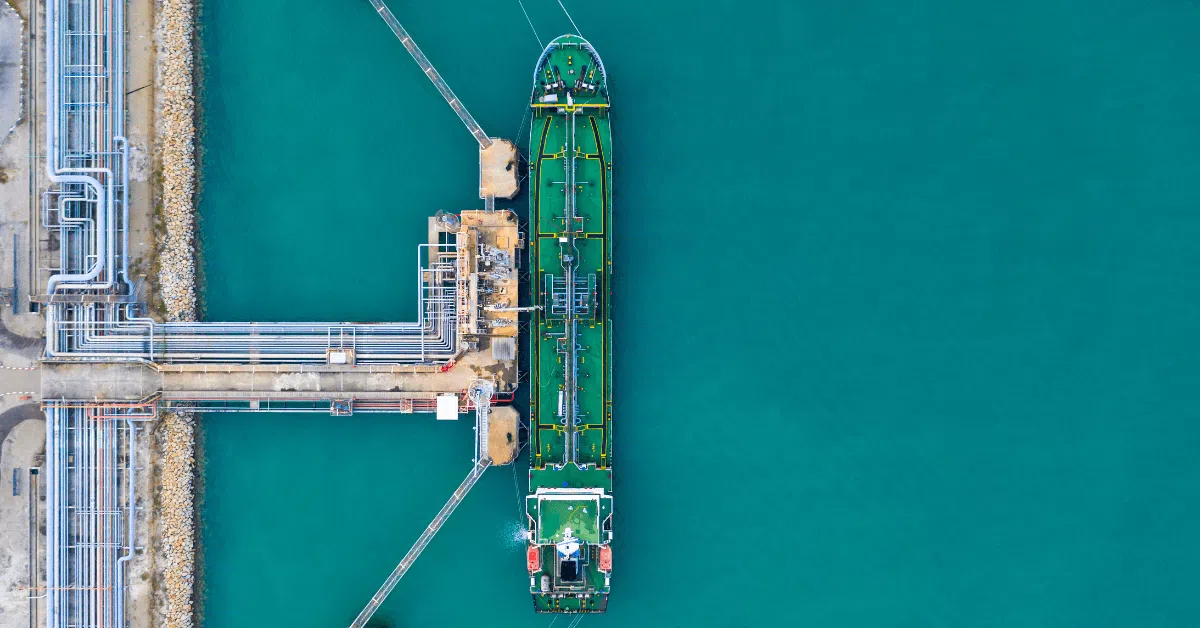
Under the combined positive impact of multiple factors including a peace agreement between the U.S. and Iran, the imminent reopening of the Strait of Hormuz, and a significant drop in international oil prices, port and shipping stocks collectively rose on June 15, with many individual stocks hitting the daily limit. Global renowned maritime investment bank Fearnley Securities previously analyzed that against the backdrop of easing geopolitical tensions, the tanker, liquefied petroleum gas (LPG), and dry bulk shipping sectors will reap the greatest benefits.
According to Xinhua News Agency, U.S. President Trump stated on social media on the 14th that the U.S.-Iran agreement is “now complete.” Under the agreement, both parties will formally sign the documents on the 19th, after which the Strait of Hormuz will be reopened.
As soon as the news broke, international oil prices plummeted. As of 6:15 p.m. Eastern Time on the 14th, the price of light crude oil futures for July delivery on the New York Mercantile Exchange fell to a low of $80.25 per barrel, a drop of 5.45%; London Brent crude oil futures for August delivery once fell to $83.51 per barrel, a drop of 4.37%.
Shipping sector surged on the news, with multiple stocks hitting the daily limit
Stimulated by the above dual positive factors, the port and shipping sector saw a strong rally after the market opened on June 15.
Among them, five stocks including Phoenix Shipping, China Merchants South Oil, Nanjing Port, COSCO Shipping Energy, and China Merchants Energy Shipping all hit the daily limit (up over 9.9%); Ningbo Ocean Shipping rose 9.97%, Guohang Ocean Shipping rose 9.94%; stocks such as Xingtong Shipping, COSCO Shipping Development, Zhonggu Logistics, and Haitong Development also followed the upward trend.
Analysts: Tankers, LPG, and dry bulk benefit the most
Just as market sentiment was running high, a research report previously released by Fearnley Securities analysts precisely highlighted the benefiting logic for different shipping sectors.
Analyst Fredrik Dybwad stated that if the Strait of Hormuz reopens, the tanker, LPG, and dry bulk sectors will benefit first. He pointed out that weeks of shipping disruptions have created a large backlog of demand, while forcing shipowners and charterers to divert vessels from traditional trade routes.
“Even after the strait reopens, vessel capacity may remain tight—especially in the tanker and LPG sectors, where there is huge pent-up demand, and the redeployment of a large number of vessels due to the strait closure will make available capacity scarce.” He further believes that market consensus earnings forecasts may still underestimate the upside potential.
Fearnley Securities’ forecast for third-quarter VLCC earnings is $85,000 per day, already higher than the average analyst estimate tracked by Bloomberg. Dybwad stated that if the Strait of Hormuz returns to normal operations, this figure could even prove conservative.
In terms of dry bulk, Fearnley Securities stated that reduced geopolitical risks and improved global economic growth prospects will benefit demand for commodities, especially those closely related to industrial activities. Additionally, some of the extra coal demand generated during the Hormuz crisis may persist, providing support for coal trade volumes until 2027.
However, not all sectors will enjoy the peace dividend. LNG carriers may become the weakest performing sector in this agreement. The normalization of Middle Eastern energy flows will erode the arbitrage opportunities that supported freight rates during the crisis. Coupled with ample existing capacity and a large number of new vessel delivery plans, LNG freight rates face downward pressure.
According to foreign media reports, as of Friday (the 12th), Frontline’s stock price rose 6.5%; Greek shipowner Okeanis Eco Tankers rose 5.2%. Maersk fell 4.3% on the Copenhagen stock exchange, and Hapag-Lloyd fell 2% on the Frankfurt stock exchange. As the date for signing the agreement approaches, the market will closely monitor the subsequent performance of shipping stocks and the actual changes in freight rates across various sectors.