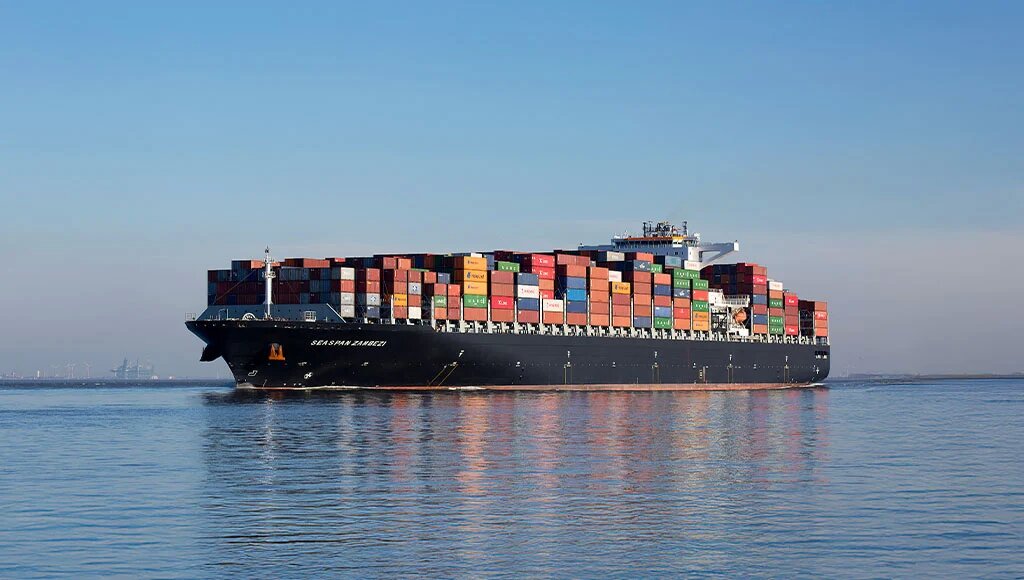
While global attention remains focused on the Middle East and developments surrounding the Strait of Hormuz, the Black Sea continues to pose significant risks to commercial shipping
Without a meaningful ceasefire or significant de-escalation, the Black Sea is likely to remain a highly volatile operating environment throughout the remainder of 2026, maritime security consultancy Dryad Global senior intelligence analyst Scarlett Suarez told Riviera.
Over the past several days, vessels, ports, and logistics infrastructure have come under attack in the Russia-Ukraine conflict.
Both Russia and Ukraine appear prepared to continue targeting each other’s logistics and energy infrastructure, increasing the risk of collateral damage to neutral shipping, Ms Suarez said.
“We anticipate further disruptions to trade routes, including the Ukrainian grain corridor and Russian export routes.”
Among the latest developments, Dryad Global highlighted Russian drone attacks on 19 June targeting two merchant vessels departing Ukrainian ports, killing one seafarer and injuring several others.
On 21 June, Ukrainian drones struck Russian-controlled logistics infrastructure in the Kerch Strait area, destroying most of the fuel storage tanks at the Kerch marine terminal and causing fires at Port Kavkaz.
The firm also noted that ferry services have been affected, including damage to a Russian-flagged vessel, leading to the suspension of ferry operations across the strait.
According to Dryad Global, Russian drones most recently struck three foreign-flagged merchant vessels bound for Odesa Oblast on 22 June. A Turkish-owned, Panamanian-flagged vessel suffered severe damage and a major onboard fire, resulting in the death of one crew member.
“Port infrastructure on both sides continues to sustain damage, particularly in Odesa, Chornomorsk and the Kerch Strait region. This has led to operational disruptions, elevated war-risk insurance premiums, and the need for operators to adopt enhanced mitigation measures, including route adjustments and real-time monitoring,” Ms Suarez noted.
She said that increased European military and financial support for Kyiv has helped sustain Ukraine’s defensive operations and enabled deeper strikes against Russian logistics infrastructure. At the same time, Russia retains substantial conventional military capabilities and continues to rely on large-scale drone and missile attacks.
However, she argued that Russia’s Black Sea fleet has faced significant constraints as a result of Ukrainian asymmetric operations, limiting its freedom of action across much of the maritime domain.
Impact on Russian clean product exports
BRS Shipbrokers highlighted the impact on Russia’s domestic fuel supplies, noting that Rosneft’s Moscow refinery was hit for the second time in a week.
The brokerage firm said preliminary data indicate that Russian clean petroleum product exports have fallen by approximately 300,000 barrels per day (b/d) to around 1.0M b/d, the lowest level since 2014.