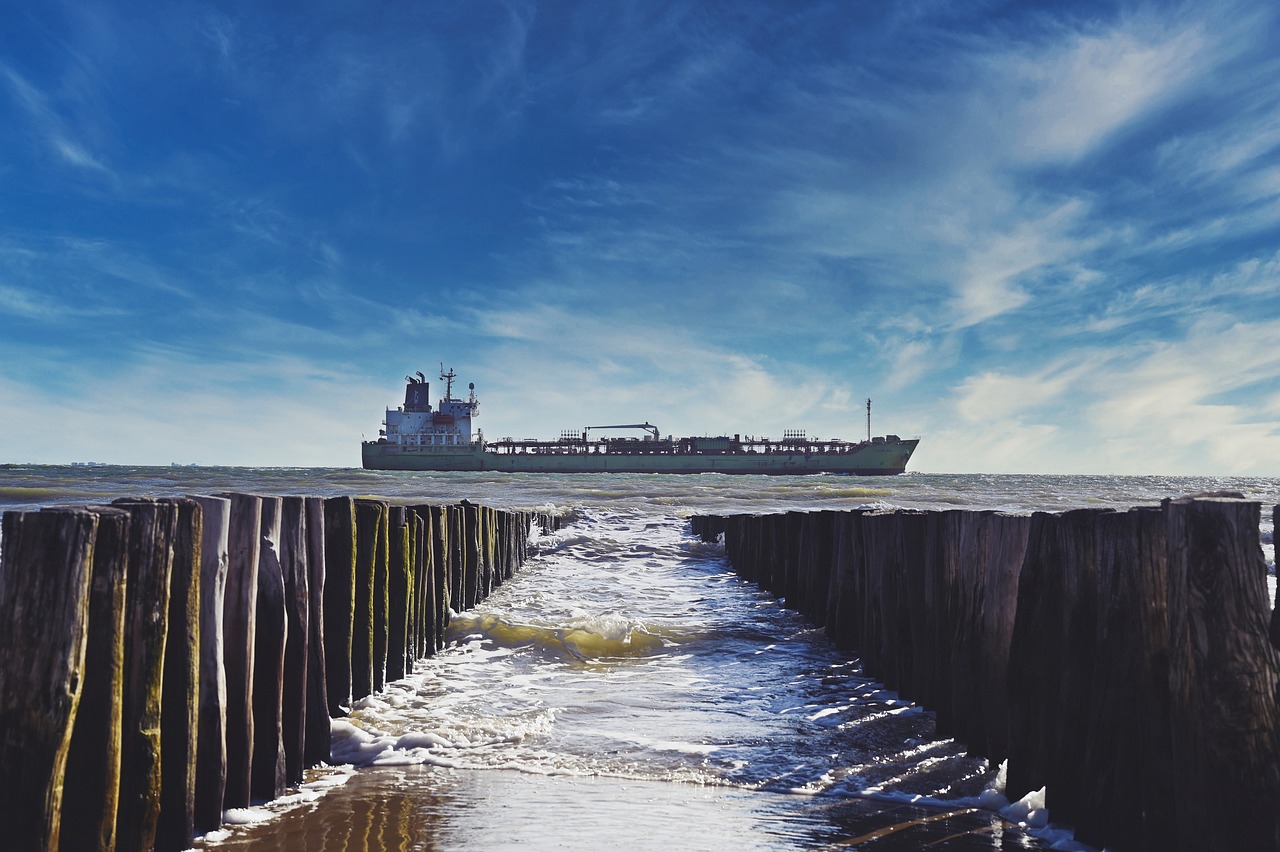
The United Kingdom Maritime Trade Operations (UKMTO) said Saturday that the master of a tanker reported being hit by an unidentified projectile while transiting the Strait of Hormuz. The vessel sustained damage to its bridge, but all crew were reported safe and no pollution has been reported. Authorities are investigating the incident.
EOS Risk Group’s Head of Advisory, Martin Kelly, identified the latest vessel as the laden Panama-flagged VLCC KIKU, carrying Qatar Energy crude, and said the incident marked the second vessel struck since Iran reiterated that unauthorized transits through the Strait would not be protected by the PGSA.
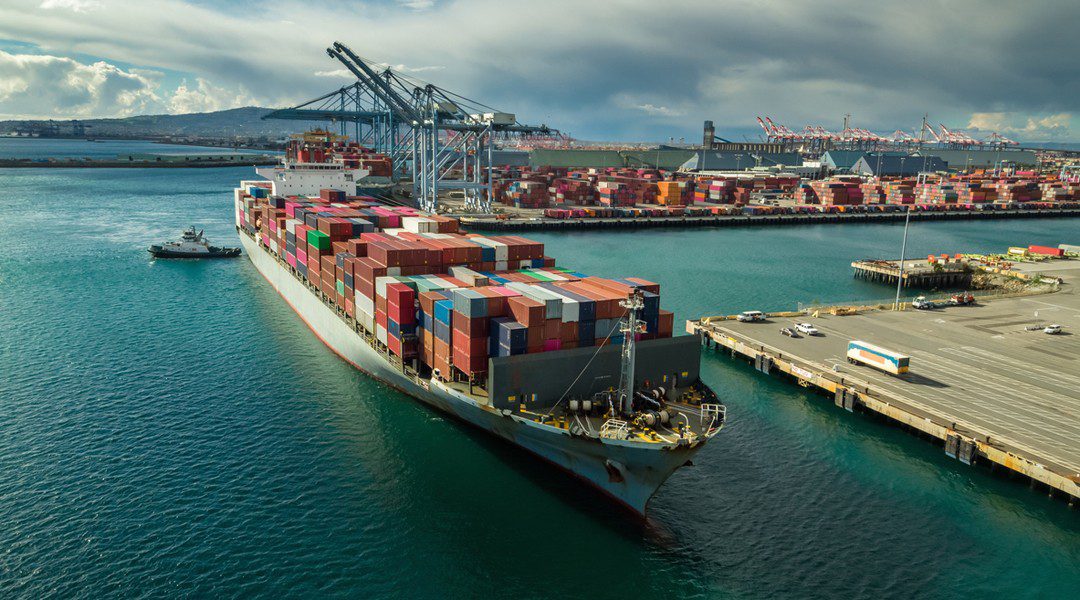
The latest attack comes just one day after the Singapore-flagged container ship Ever Lovely was struck by what U.S. officials said was an Iranian one-way attack drone while exiting the Strait along the Omani coast.
The United States responded Friday by launching strikes against Iranian missile and drone storage facilities as well as coastal radar sites, according to U.S. Central Command (CENTCOM).
“CENTCOM forces conducted strikes against Iran… as a powerful response to yesterday’s attack on a commercial ship that was transiting the Strait of Hormuz,” the command said in a statement, adding that the attack on Ever Lovely violated the ceasefire agreement and undermined freedom of navigation. CENTCOM said U.S. forces continue coordinating safe passage for commercial shipping through the Strait.
Iran pushed back against the U.S. strikes on Saturday, arguing they violated the Islamabad Memorandum of Understanding that halted hostilities earlier this month. In a statement posted by the Iranian Embassy in Japan on X, Tehran said the U.S. attacks on coastal facilities in southern Iran breached the agreement’s provision requiring the “immediate and permanent termination of military operations.”
Iran also accused Washington of attempting to unilaterally reinterpret the agreement by linking future military action to commercial shipping attacks. Citing Paragraph 5 of the MOU, Tehran argued that the agreement assigns Iran responsibility for making “best efforts” to restore safe passage through the Strait of Hormuz while allowing up to 30 days to remove military obstacles and complete demining operations before normal traffic is fully reinstated.
The renewed violence comes as Iran has reasserted its authority over shipping in the Strait of Hormuz, insisting vessels should comply with its Persian Gulf Strait Authority (PGSA), while the United States and its allies continue promoting an alternative southern transit corridor coordinated through naval forces.
Reflecting the heightened threat, the Joint Maritime Information Center (JMIC) on Saturday raised the regional maritime security threat level in the Strait of Hormuz back to SUBSTANTIAL, citing attacks on merchant vessels. The advisory warned mariners of ongoing mine hazards, expected naval mine-clearance operations, and continued congestion through the waterway.
At the same time, JMIC announced that the southern transit corridor has been widened to allow simultaneous inbound and outbound traffic, replacing the previous single-lane arrangement that had constrained vessel movements. The advisory also emphasized that while ships are encouraged to coordinate with U.S.
Naval Forces Central Command’s Naval Cooperation and Guidance for Shipping (NCAGS), such coordination is not mandatory and vessels may transit the southern route without prior coordination.
The latest tanker strike is expected to reinforce concerns among shipowners, charterers and insurers that commercial traffic through the Strait remains vulnerable despite the interim U.S.-Iran agreement reached earlier this month.
While vessel movements had begun recovering after months of disruption, the attacks on Ever Lovely and now a second tanker highlight the fragile security environment and the competing authorities seeking to manage one of the world’s most important maritime chokepoints.
Security analysts warned the situation could deteriorate further following the U.S. strikes, with expectations of additional Iranian military action against shipping or regional targets.
Commercial operators continue to face conflicting guidance as Iran insists vessels obtain its authorization while U.S.-led maritime security forces maintain that ships may use the southern corridor without Iranian permission.
The latest attacks suggest that navigating those competing claims remains one of the biggest operational risks for shipping in the Strait of Hormuz.