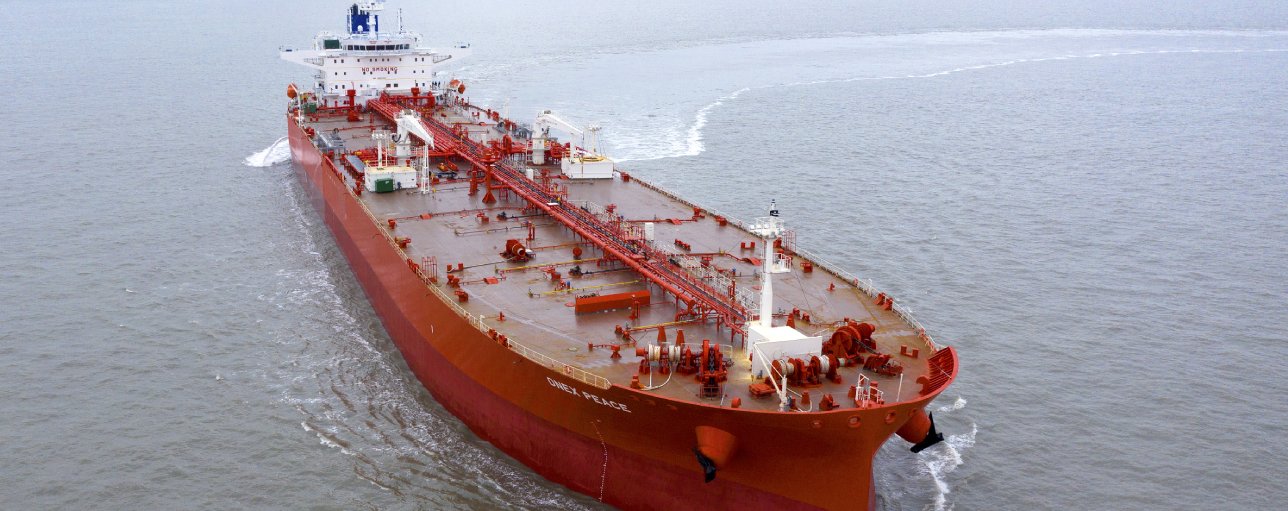
Recently, Transpetro, the shipping subsidiary of Petrobras, signed a contract with Rio Grande shipyard in Brazil for the construction of four 40,000 DWT MR1 tankers.
These new vessels are primarily intended for the transportation of crude oil and refined products along the Brazilian coast. The total contract value is approximately USD 427 million (about RMB 2.905 billion), equivalent to a unit price of USD 107 million per vessel. For reference, Clarksons data shows that the current newbuilding price for a 47,000-51,000 DWT MR product tanker is approximately USD 51 million, slightly higher than USD 48.5 million in the same period last year.
It should be noted that the vessels ordered by Transpetro feature higher specifications in environmental protection and digital configuration. Additionally, the order being built in Brazil also makes its construction cost significantly higher than the average level of similar vessels in the international market.
According to reports, this series of vessels will adopt multiple energy-saving and emission-reduction technologies, expected to reduce fuel consumption by up to 20% and greenhouse gas emissions by approximately 30%. Furthermore, the vessels will be capable of using biofuels and operating in electrified ports, and will be equipped with advanced technologies such as 3D digital engineering, remote monitoring, and telemedicine. The hulls will use high-performance drag-reducing coatings to lower navigation resistance and improve operational efficiency.
This order is part of Petrobras’ “Mar Aberto” plan. The plan aims to renew and expand Brazil’s state-owned fleet, while promoting the recovery of the domestic shipbuilding industry and strengthening the country’s energy transportation security capabilities.
According to the plan, Petrobras will invest USD 6 billion between 2026 and 2030 to build 20 coastal vessels, 18 barges, and 18 pusher tugs, and plans to charter 40 new offshore support vessels for the renewal of the fleet supporting exploration and production activities.
Through this plan, Transpetro’s owned fleet will expand from the current 26 vessels to 42 vessels by 2030, thereby reducing dependence on the charter market and further enhancing logistics transportation capacity. With the implementation of this order, the total number of vessels secured under the plan has increased to 52.
Petrobras stated that the plan will play a strategic role in promoting the development of Brazil’s shipbuilding industry and fostering national economic and social development. This latest order also marks another important step for Petrobras in advancing the modernization of logistics infrastructure, supporting the development of the domestic shipbuilding industry, and improving the efficiency and sustainability of its maritime operations.
Excluding the latest order, Clarksons data shows that Rio Grande shipyard currently holds an orderbook of 9 vessels totaling 100,000 DWT, including 4 chemical tankers and 5 LPG carriers, with delivery schedules extending to 2030.