/Agencia Reuters
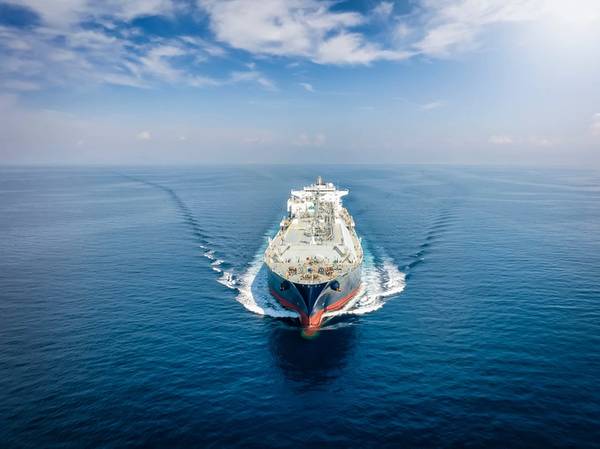
Un petrolero reportó haber sido alcanzado por un proyectil en el estrecho de Ormuz el sábado 27 de junio, según informó la agencia de seguridad marítima de Gran Bretaña, después de que Estados Unidos e Irán lanzaran ataques en la peor escalada desde que firmaron un acuerdo de paz interino.
Los bandos en conflicto se acusaron mutuamente de violar el pacto alcanzado hace dos semanas para poner fin al conflicto de cuatro meses. Washington declaró que atacó objetivos iraníes durante la noche. Por su parte, Teherán afirmó que respondió agrediendo objetivos vinculados a las fuerzas estadounidenses.
El ataque más reciente contra un petrolero en el estrecho siguió a otro contra un buque de Evergreen el jueves 25, el cual desencadenó la escalada más reciente.
Irán ha realizado un nuevo intento por afirmar el control sobre la ruta de transporte de energía más importante del mundo, la cual había comenzado a reabrir tras meses de interrupción.
La agencia de seguridad marítima de Gran Bretaña, UKMTO, informó que el petrolero atacado el sábado sufrió daños en su puente de mando, y se reportó que toda la tripulación se encuentra a salvo.
Como resultado de los recientes incidentes, el Centro Conjunto de Información Marítima, gestionado por una coalición de armadas que protegen la navegación, elevó su nivel de amenaza a la seguridad. Irán no ha comentado directamente sobre los reportes de ataques específicos a navíos.
Sin embargo, la televisión estatal iraní informó que la Guardia Revolucionaria realizó “disparos de advertencia” hacia naves no especificadas que intentaban pasar por canales no aprobados por Irán, y que esto ahora está motivando a otros barcos a solicitar permisos iraníes antes de intentar cruzar el estrecho.
Anteriormente, el ministerio de relaciones exteriores de Irán declaró que lanzó ataques “defensivos” contra objetivos militares vinculados a Estados Unidos, mientras que Baréin, que alberga el cuartel general regional de la Marina de EE.UU., reportó un ataque con drones iraníes. El ejército estadounidense no respondió de inmediato a los informes.
Irán ha acusado a Estados Unidos de no cumplir con el acuerdo interino, en particular al no mantener el alto el fuego prometido en el Líbano, país que Israel, aliado de EE.UU., invadió en marzo en persecución del grupo militante Hezbolá, respaldado por Irán.
Israel y el Líbano han acordado repetidamente altos el fuego negociados por Estados Unidos, el último de los cuales se anunció el viernes. Sin embargo, hasta ahora estos han tenido un impacto general limitado, ya que Israel insiste en que no se retirará del territorio que ha ocupado y Hezbolá rechaza reiteradamente los llamados a deponer las armas mientras las tropas israelíes permanezcan en el lugar.
La televisión estatal libanesa informó el sábado 27 sobre un ataque con drones israelíes en la zona de Nabatiyeh, en el sur, la cual ha sido escenario de ataques israelíes a lo largo del conflicto.
The Israeli army stated that its target had been a person who posed a threat to its forces.
Hezbollah leader Naim Qassem rejected the agreement between Israel and Lebanon signed the previous day, calling it a surrender, and stated that it was “null and void.”
With hundreds of thousands of Lebanese, mainly Shia Muslims, still unable to return to their homes in the areas occupied by Israel, discontent with the agreement has spread beyond Hezbollah to the broader Shia community.
Israeli Defense Minister Israel Katz praised the agreement, stating that it allows Israel to maintain its occupation of the so-called security zone in Lebanon and prohibits the return of displaced residents.
Mohsen Rezaei, an advisor to Iran’s Supreme Leader, stated that Washington had violated the memorandum of understanding that ended the war by supporting what he called proxy forces in the region and by creating tensions in the Strait of Hormuz.
Throughout the war, Iran has responded to U.S. attacks by striking neighboring Gulf states that host large American military bases. Iranian state television noted that the Revolutionary Guard had given a “decisive response” after U.S. forces attacked a communications tower in the port city of Sirik.
The Iranian news agency Mehr reported that the Iranian port was operating normally and that no damage to facilities or equipment was reported. Bahrain stated that Iran’s latest attacks violated the memorandum of understanding.
Hundreds of vessels, including tankers loaded with crude oil, have remained blocked inside the Gulf since the war broke out. As they began to exit through the strait over the past two weeks, oil prices plummeted to levels close to those before the war due to the resulting increase in supply.
However, fully resolving the crisis would require sustained two-way traffic through the strait at pre-war levels, something that is likely only possible if shipping companies consider it safe.
Washington has been promoting a southern lane along the coast of Oman, while Tehran, whose ultimate goal is to collect fees for the use of the strait, wants ships to use a northern route through its waters and under its control.
Ebrahim Azizi, head of the Iranian parliament’s national security committee, stated on Saturday that any violation of Iran’s navigation instructions will be met with a decisive response.
“Violence will be met with violence,” declared U.S. Vice President JD Vance, President Donald Trump’s chief negotiator in the conflict, who stated that Americans have complied with the ceasefire agreement and blamed Iran for any return to conflict that might result from its actions.
“Iran signed a ceasefire agreement. We have respected it. If they have disagreements about how the memorandum of understanding is being implemented, they can pick up the phone.
“But violence will be met with violence,” Vance posted on X.
The escalation unfolded over the weekend while markets were closed, giving both sides two days to stake out firm positions and exchange fire without causing an immediate impact on oil prices.
Over the past two weekends, heated words on Friday and Saturday were followed by more conciliatory stances from both sides in time for markets to reopen on Monday.
Before the new outbreak of violence, oil prices fell about 3% on Friday, heading for a sharp weekly decline.