Contribution by Guido Raso *
* a.d. Samer Seaports & Terminals
The recent final ruling of the Court of Cassation on the Viareggio train disaster formally closes one of the most dramatic chapters in our industrial history, with a five-year sentence (with the clear aim by the judiciary of imprisonment) for the former CEO of Ferrovie dello Stato, Mauro Moretti.
Faced with a tragedy of this kind, in which 32 people lost their lives, reflection must start from a firm and non-negotiable point: the protection of human life and safety are absolute duties of every industrial system. The demand for justice that runs through public opinion in similar cases is enormous, legitimate, and deeply emotional. However, while on a judicial and human level the matter finds its conclusion, on a managerial level it opens an entirely new chapter that radically redefines the very concept of risk and governance.
The true paradigm shift lies not so much in the conviction itself, but in the systemic extension of top management’s liability to complex, widespread, and indirect risks. Today, a manager is no longer asked only to answer for what he decides or signs personally, but to take responsibility for everything that happens within an articulated, distributed, and often international ecosystem, even when the causal link is mediated by multiple operational levels.
This evolution introduces a deep structural uncertainty. When the decision-making chain lengthens, the actors multiply, and events – though rare – have a catastrophic impact, it becomes almost impossible for those leading a company to trace the real boundary of their own responsibility.
The resulting shift is silent but radical. If criminal risk becomes high, unpredictable, and linked to indirect factors, the center of gravity of managerial action inevitably changes. Traditional objectives such as growth, efficiency, and innovation progressively give way to logics of personal protection and documentary traceability. This is the birth of what we could define as “defensive management”: an approach in which decisions are not made to optimize the industrial outcome, but to make the process formally unassailable ex-post, sealing every step and eliminating gray areas to protect the individual safety of the decision-maker.
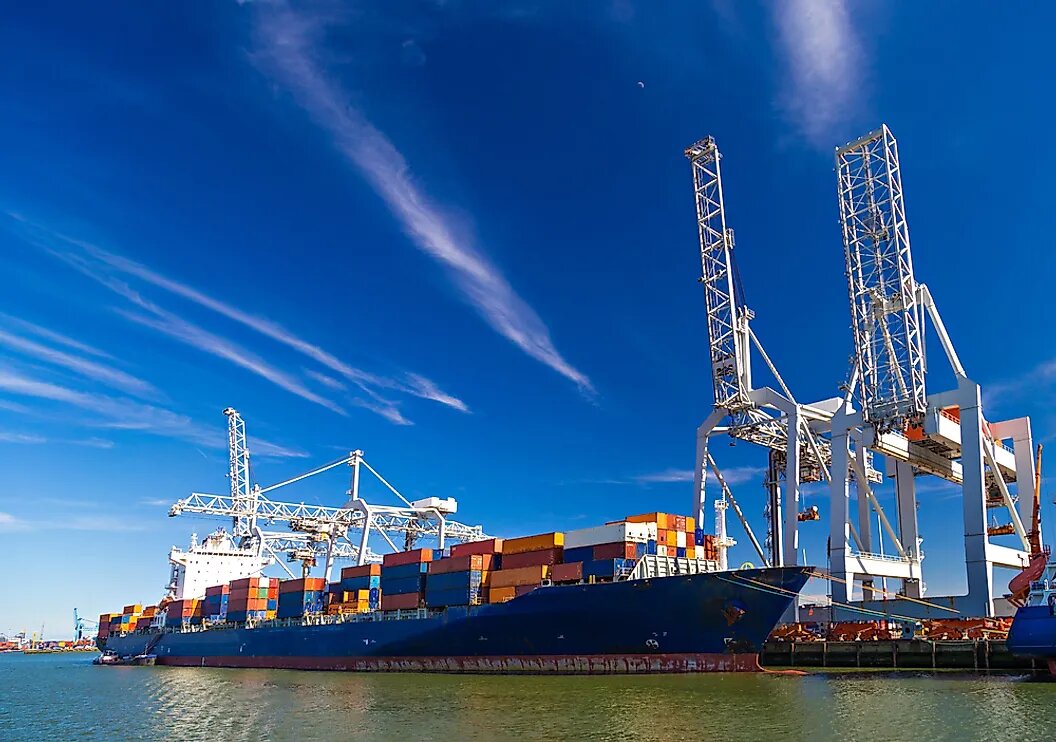
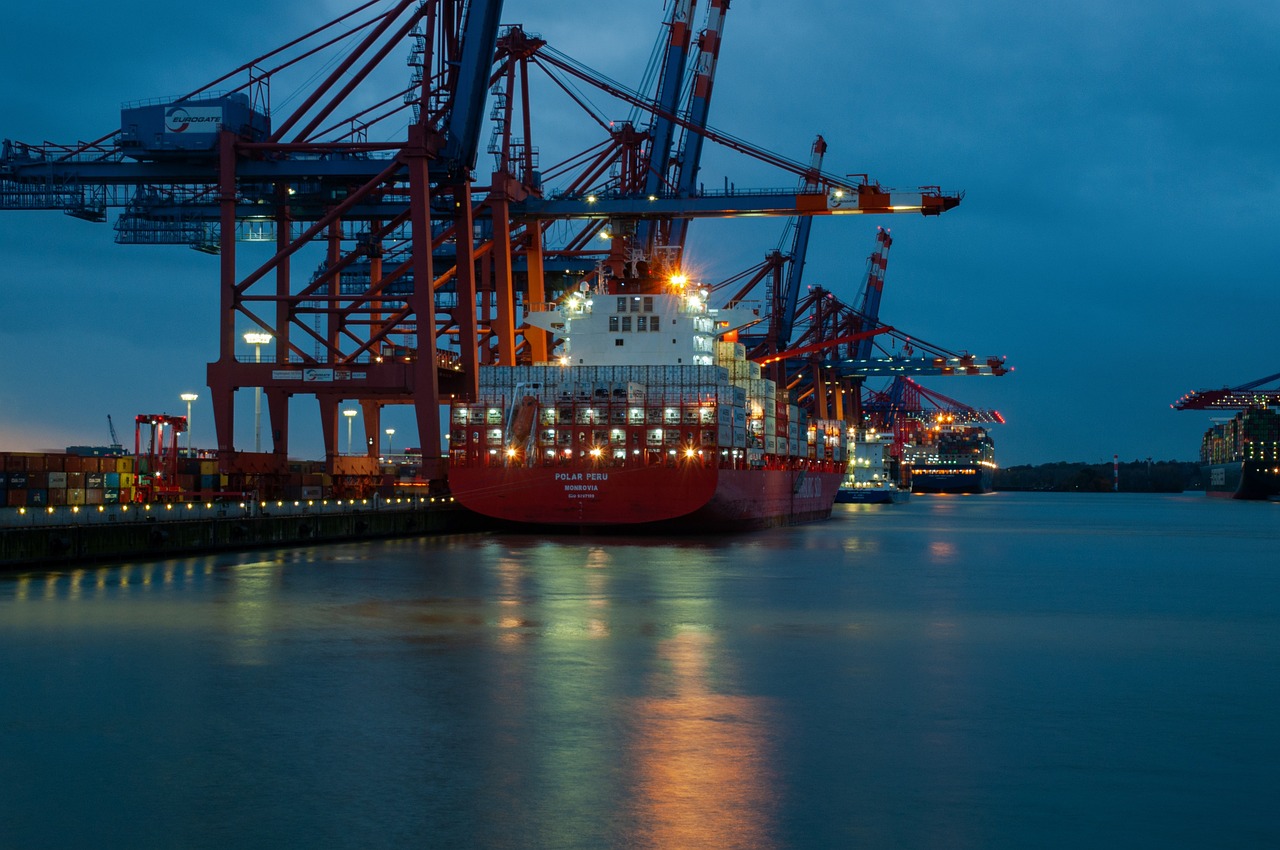
This phenomenon is greatly amplified in contexts characterized by strong systemic complexity, such as the port sector. A port is, by definition, a node of overlapping responsibilities and international actors. Let us consider a standard dynamic: a ship flying a foreign flag, managed by an international shipowner, with cargo originating from multiple jurisdictions, handled by local operators and subject to multi-level controls. In such a fluid network, the risk is global, but liability risks being localized. The port manager finds himself answering for processes he does not fully control, for goods he does not produce, and for assets he does not own, suffering an evident structural tension: the perimeter of risk grows much faster than the perimeter of effective control.
The implicit message emerging from this trend is that management is required to possess a sort of organizational omniscience. But in complex systems, not all variables can be modeled or controlled.
Pretendere una prevenzione totale significa spostare il criterio della valutazione giuridica dalla “ragionevolezza” all’utopia dell’infallibilità. Le conseguenze di questa distorsione sono l’ipertrofia dei controlli, il rallentamento dei processi, l’aumento dei costi e, soprattutto, lo snaturamento del ruolo del manager, che si trasforma da decisore e innovatore a mero presidio difensivo del rischio penale.
Se vogliamo mantenere efficienti e competitivi i nostri settori industriali, dobbiamo avere il coraggio di discutere di un’asimmetria di fondo. Al management viene chiesto di prevedere ogni scenario e rispondere di dinamiche indirette; tuttavia, chi definisce ex-post cosa fosse prevedibile non risponde con lo stesso grado di responsabilità per gli effetti sistemici, l’irrigidimento decisionale e l’incertezza che le proprie interpretazioni generano sul tessuto economico.
La vicenda Moretti non è solo la chiusura di un caso di cronaca del passato, ma uno specchio del futuro della governance nei settori complessi. Trovare un equilibrio fragile ma necessario tra la massima tutela della sicurezza e la sostenibilità reale della responsabilità manageriale è la vera sfida che attende la classe dirigente e il sistema Paese.