Last week, after a ceasefire agreement was reached between the United States and Iran, two cargo ships were attacked while transiting the Strait of Hormuz, significantly undermining shipowners’ confidence in crossing the strait.
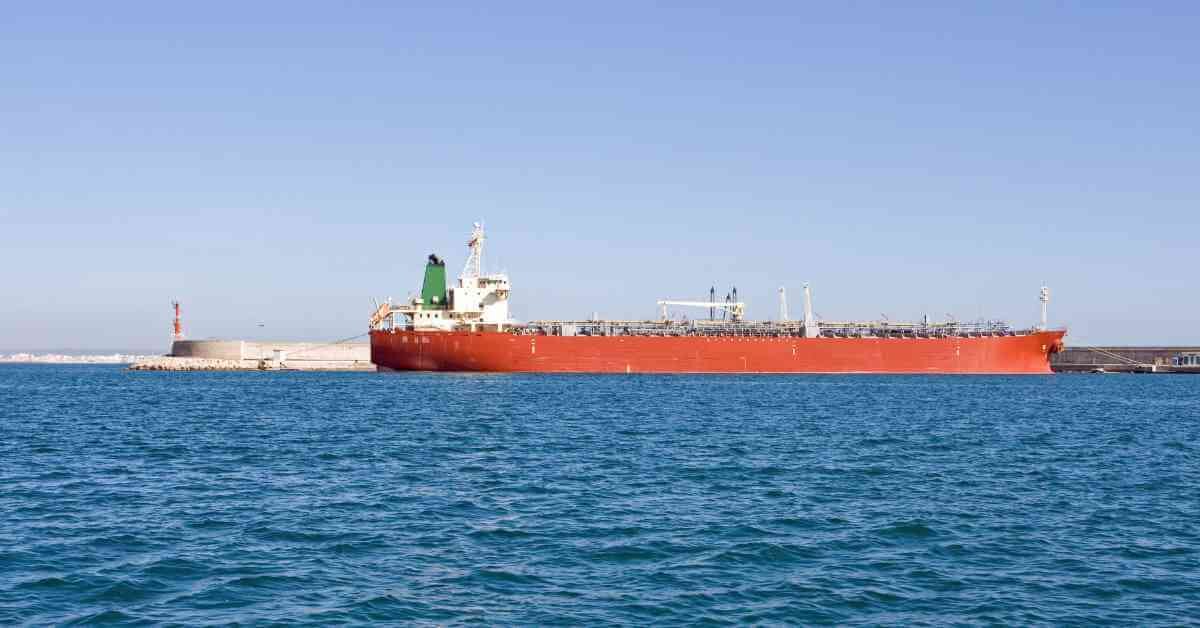
According to tracking data, a small number of vessels openly sailed through the Strait of Hormuz over the past weekend. Among them, two very large crude carriers entered the Persian Gulf in ballast, while a container ship flying the French flag and two fully loaded oil tankers departed the inland sea.
In addition to the two VLCCs entering the Gulf, a product tanker flying the Norwegian flag, a tanker under U.S. sanctions, and an LPG carrier also entered the Gulf. Meanwhile, one product tanker and one crude oil tanker under U.S. sanctions exited the Strait of Hormuz into the Gulf of Oman.
Data from the Windward tracking platform shows that on June 27, a total of 24 vessels entered the Persian Gulf via the Strait of Hormuz, and 16 vessels sailed into the Gulf of Oman via the Strait of Hormuz, totaling 40 vessels.
Vessels entering the Persian Gulf were predominantly tankers, with 13 tankers among the 24, of which Iranian-flagged tankers accounted for a relatively high proportion. Outbound tankers were mainly concentrated in the northern corridor, with approximately 4.1 million barrels of crude oil shipped out by three fully loaded tankers.
Confidence Shaken
Last week, a container ship flying the Singapore flag was attacked, followed by an attack on the Kiku tanker carrying Qatari oil in the Strait of Hormuz. After the attacks, the Joint Maritime Information Center, which coordinates relations between navies and merchant vessels, raised the threat level in the region to substantial.
Following the two attacks on vessels, the United States and Iran engaged in tit-for-tat strikes over the weekend, testing their fragile ceasefire agreement. However, both sides have agreed to suspend attacks before resuming negotiations this week.
Although the observed vessel traffic volume over the weekend declined, it remained higher than during most periods of the U.S.-Iran conflict. Since the U.S. and Iran announced earlier this month that they had reached an agreement on a temporary plan to reopen the Strait of Hormuz, an increasing number of shipowners have been willing to transit the strait.
But after the attacks, some shipowners told the media that they had suspended plans to transit the Strait of Hormuz. Currently, shipowners’ confidence in attempting the crossing varies, and the situation remains unclear.
Some vessels that recently abandoned or postponed their transit have not attempted to cross again, while others have chosen either the northern route designated by Iran or the southern route near Oman.
It is noteworthy that over the past week, the number of vessels entering the Persian Gulf via the Strait of Hormuz has increased significantly. This is because Middle Eastern energy producers are seeking to resume production and require empty vessels for loading, making access to empty ships through the Strait of Hormuz crucial.
Disclaimer: This article is reproduced for the purpose of conveying more information. If there are errors in the source attribution or infringement of your legitimate rights and interests, please contact this website with the relevant supporting documents, and we will promptly correct, delete, and apologize. Thank you.