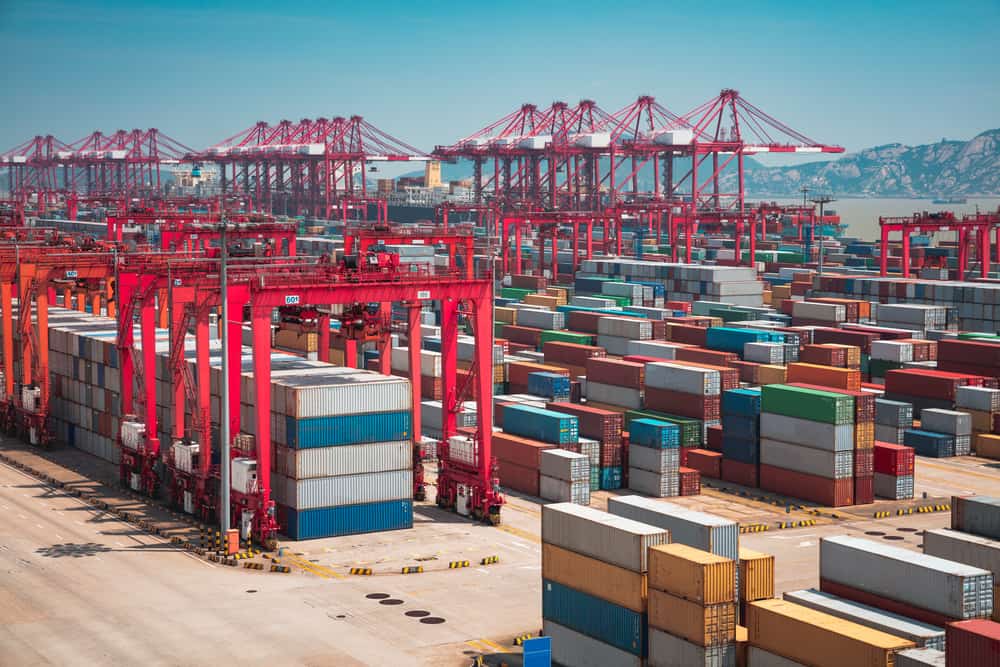
Due to the ongoing extreme high temperatures in Europe, the Port of Rotterdam, the largest container port in Europe by throughput, has experienced forced closures of some terminals, suspension of landside operations, and interruptions in gate operations, limiting container handling activities at the terminals.
It is understood that the Rotterdam ECT Delta Terminal and Euromax Terminal were recently closed temporarily, primarily due to IT network system failures caused by the persistent heat, while some quay cranes halted operations due to overheating.
Additionally, the Rotterdam APM Terminal also briefly suspended operations. A relevant source at the terminal recently stated: “The coming days will be even hotter, which will slow down our operations, lead to cargo backlogs, and subsequently affect the entire transport network.”
Overall, the port business disruptions caused by the prolonged high temperatures are mainly driven by considerations for protecting worker safety and ensuring equipment operational safety. However, as the heat is expected to persist, although vessel operations have resumed, landside operational efficiency will remain constrained, thereby impacting cargo handling activities.
In 2025, the Port of Rotterdam handled an annual container throughput of approximately 14.2 million TEUs. Therefore, even a partial disruption of terminal operations will have a significant impact on vessel scheduling and cargo handling in Northern Europe.
In fact, the impact of high temperatures is not limited to the Port of Rotterdam. Multiple terminals at the Port of Antwerp in Belgium have also experienced varying degrees of handling delays; northern Germany is also facing high-temperature challenges, and the Port of Hamburg had previously seen a decline in terminal turnaround efficiency due to issues such as railway network disruptions.
According to information released by the World Meteorological Organization, Europe experienced its first widespread extreme heatwave of the summer in late June this year, with temperatures exceeding 40 degrees Celsius in many parts of Europe, setting historical records.
The persistent high temperatures have already impacted infrastructure such as transportation and power supply in multiple European countries, thereby restricting port operations. It is expected that the heat will continue for some time, and the operational efficiency of European ports may remain under pressure.