The South Korean company suspends the program of new container units and strengthens investments in tankers and gas carriers. The choice reflects market uncertainties and reignites the debate on the future of the sector
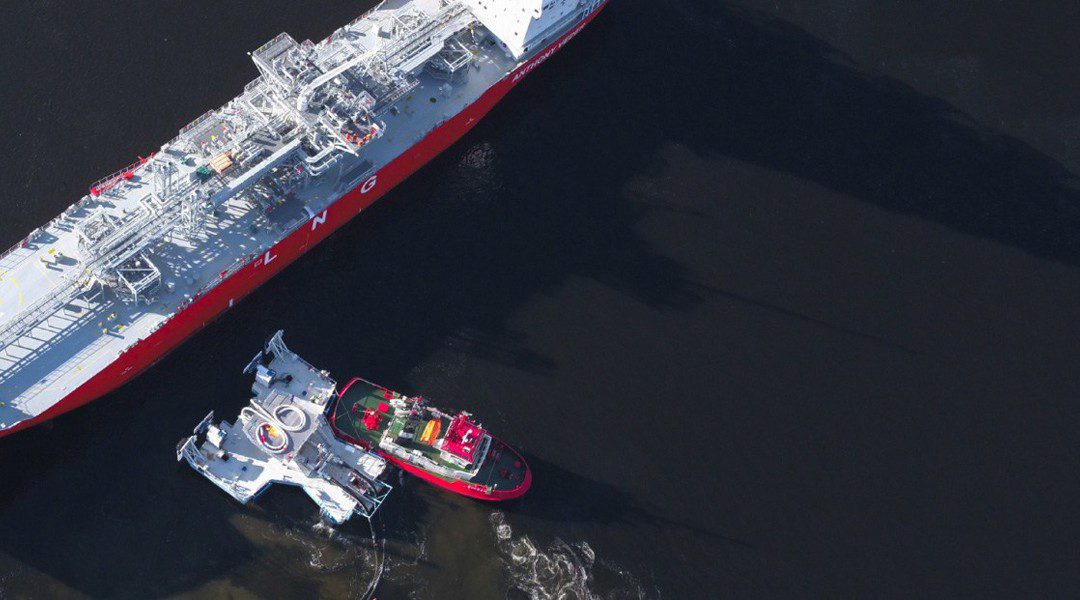
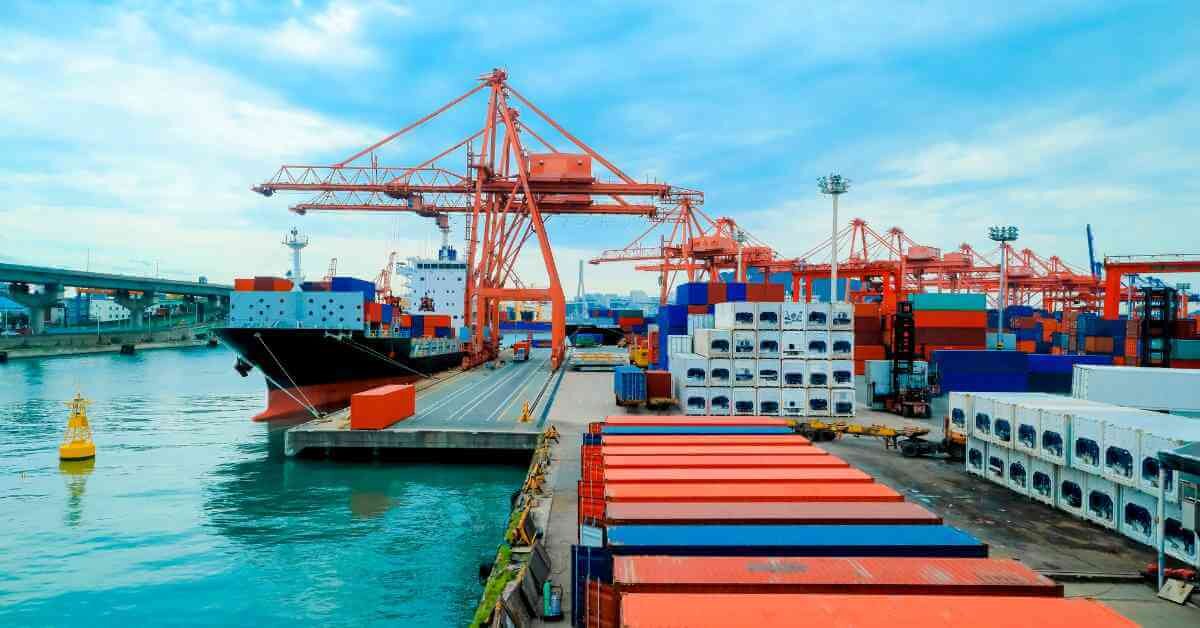
Seoul – Hmm, the world’s eighth-largest container carrier by capacity, has decided to suspend the finalization of orders for at least ten new dual-fuel LNG container ships of 13,000 teu scheduled for the second half of 2026. In parallel, the company is accelerating investments in energy transport, with new tankers, gas carriers and methane carriers.
The choice comes in a context of growing caution in the container market. The company had already warned that the increase in deliveries of new ships, geopolitical tensions and the effects of US trade policies risk fueling an excess of capacity and increasing operating costs, making the outlook for shipowners more uncertain.
On the energy front, Hmm has already ordered eight new bulk carriers and two gas carriers, in addition to expanding its fleet of Very Large Crude Carriers (Vlcc), which will reach 20 units once deliveries are completed. The group is also participating in a joint venture with Bgn for the management of two new Very Large Gas Carriers (Vlgc), confirming its intention to diversify its portfolio.
The company will nevertheless continue to develop its container business, strengthening services on the Asia-Europe, Asia-North America and Asia-Middle East routes and launching new connections to Africa and Southeast Asia. However, the suspension of orders for new container ships represents a significant strategic shift for one of the world’s leading operators.
The decision is particularly significant because it comes from one of the major global carriers precisely as the sector faces the risk of excess capacity. Despite solid financial results and positive forecasts for 2026, Hmm seems to favor more selective growth, focusing on diversification toward energy transport rather than on the expansion of the container fleet.