The United Nations Conference on Trade and Development (UNCTAD), the UN’s lead agency for trade and development, stated that President Trump’s tariff policies have triggered new cost pressures and disruptions in global supply chains, and the most severe economic shocks for less developed countries trading with the U.S. have yet to materialize.
“We have observed signs of fractures in global supply chains,” said UNCTAD Secretary-General Rebeca Grynspan. “Many corporate executives are choosing to wait and see, because predictability and a foundation of trust are what trade and investment need most.” Earlier this year, the agency released data showing global investment had fallen back to levels seen during the financial crisis and predicted global economic growth would be reduced by 0.5 percentage points this year.
Regarding the downward revision of global GDP growth expectations from 2.8% to 2.3%, Grynspan said: “High uncertainty is causing business decisions to stagnate, which in turn impacts trade volume. This decline is quite significant, already far below the average growth level of the past decade.” U.S. consumer inflation rose in June. Although the Trump administration denies tariffs cause inflation, the main reason for the price increases is precisely the rising cost of imported consumer goods.
Grynspan pointed out that Vietnam, Cambodia, and Malaysia, which previously benefited from the “China+1” supply chain strategy, are now facing new shocks. Trump has threatened to impose 40% tariffs on any Chinese goods transshipped through third countries. Such goods are often produced in China first and then transshipped through countries like Vietnam to avoid tariffs.
This UN official warned that the cumulative effect of tariffs would deal the most severe blow to the world’s least developed countries. The combination of existing tariffs and potential new ones could lead to a drop of over 50% in these countries’ exports, creating a “chain reaction.” She particularly emphasized: “This will impact job markets, destabilize many countries, and their economic growth may even fall below the global average. The world’s 46 most vulnerable countries could face export declines of up to 54%.”
Data from the Center for Global Development shows Cambodia’s exports to the U.S. account for over 10% of its GDP. Research firm Datawheel predicts that the Trump administration’s tariffs over the next four years could cost Cambodia over $4.5 billion in exports, with apparel and travel goods hit hardest, exacerbating risks to the country’s socio-economic stability.
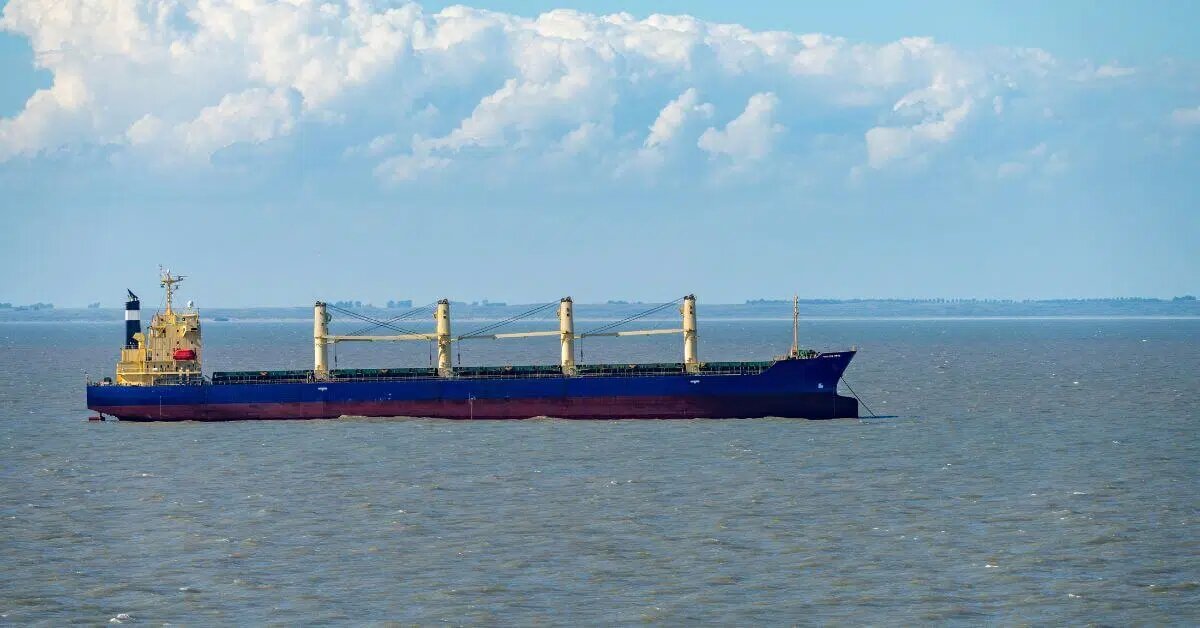
Grynspan believes that while the Trump administration’s push for trade negotiations is a positive signal, the complexity of agreements leads to lengthy negotiation cycles, and the current uncertainty has already tangibly affected economic growth and investment decisions. Meanwhile, global supply chains are facing new inflationary pressures—the escalation of Houthi attacks on commercial ships in the Red Sea. Recent attacks on two cargo ships resulted in one container vessel sinking.
“These trade chokepoints are crucial,” Grynspan stressed. “Once obstructed, the entire system suffers.” She revealed that the latest Red Sea attacks have caused ship war risk insurance premiums to soar to 1% of the vessel’s value (approximately $1 million), and the increased fuel costs from shipping companies rerouting further drive up inflation. The Red Sea situation alone could increase global prices by 0.6%.