With multiple tankers docking at Russian ports recently experiencing mysterious explosions, Greek shipping companies are quietly enhancing security measures for their vessels to address potential threats. Most of the targeted ships were involved in Russian crude oil trade, and the explosions have drawn widespread market attention.
According to Reuters, citing multiple Greek shipping and security sources, shipowners are taking preventive measures such as deploying divers for underwater inspections to check for external devices attached to hulls, while also improving security by adjusting anchorage positions and increasing crew vigilance.
Since the outbreak of the Russia-Ukraine conflict, Western countries have imposed multiple rounds of sanctions on Russia, with the G7 also setting a $60-per-barrel price cap on Russian oil exports. After traditional shipping companies withdrew, most Russian crude is now exported via the so-called “shadow fleet,” though some Greek shipowners continue to transport Russian crude that complies with G7 price restrictions.
However, recent explosions involving at least six tankers that had previously called at Russia’s Baltic port of Ust-Luga and the Black Sea port of Novorossiysk have unsettled the shipping market. Industry insiders suggest these explosions were likely caused by devices such as magnetic mines, indicating highly specialized underwater sabotage.
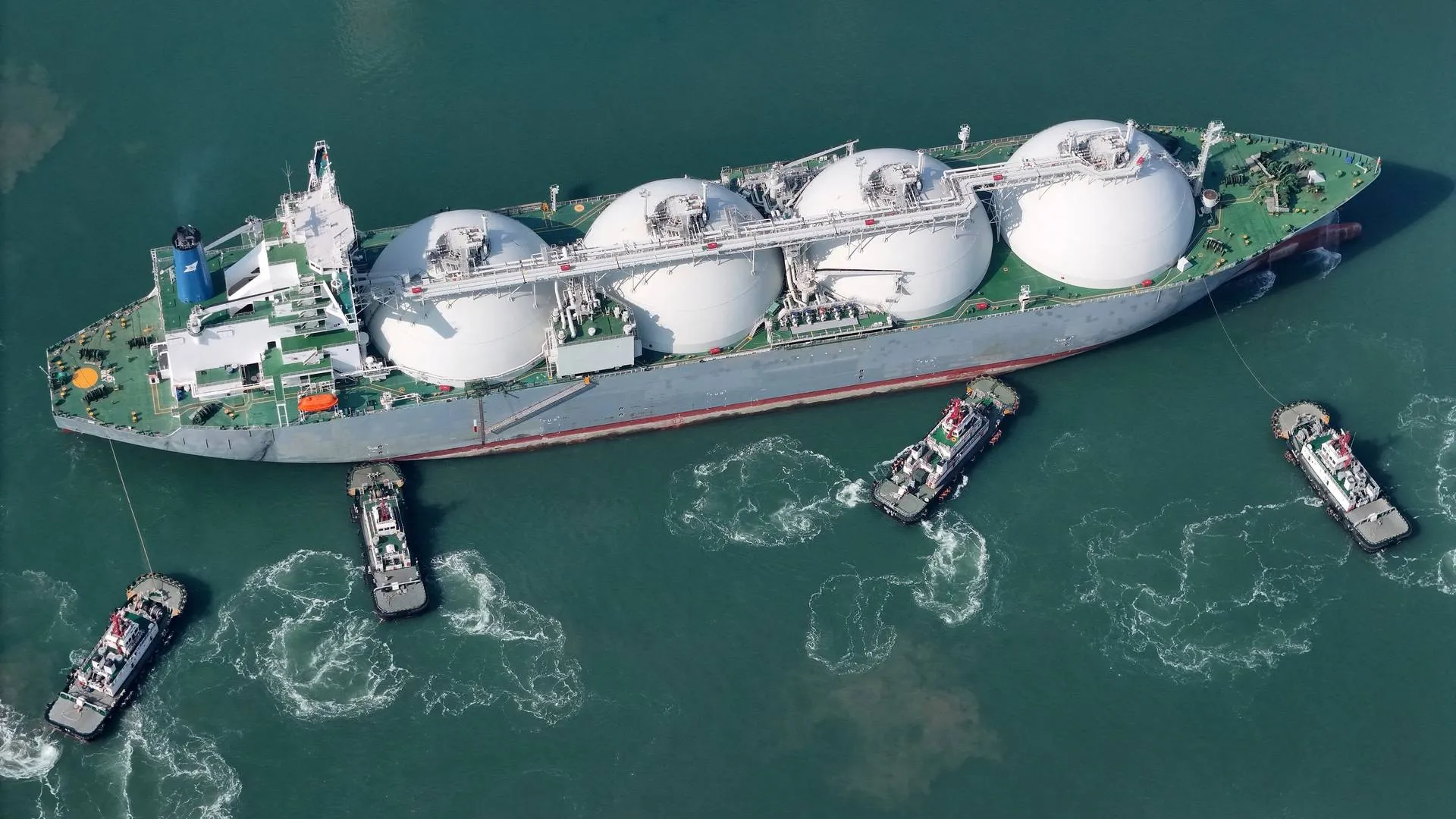
The latest incident occurred on July 6, when the LPG carrier *Eco Wizard*, operated by a Greek company, suffered multiple explosions at Ust-Luga. Russia’s transport ministry later reported a minor ammonia leak during loading and announced plans to send divers for a hull inspection. The shipowner declined to comment, but multiple sources believe the explosion may have been caused by an external explosive device.
Additionally, the Greek tanker *Vilamoura* earlier experienced an explosion off the coast of Libya, with preliminary investigations also pointing to an external explosive. In February, another tanker, *Seacharm*, was damaged in an explosion, though no public updates on the investigation have been released.
Data shows that among the tankers affected by explosions this year, four were operated by Greek companies and one by a Cypriot operator. Four of the six vessels were en route to Mediterranean ports after calling at Russian ports—marking the first time in decades that non-military ships have faced such frequent attacks in the central Mediterranean.
Corey Ranslem, CEO of UK maritime security consultancy Dryad Global, noted that vessels docking at Russian ports face an increasing risk of “sabotage by state-backed groups or proxies.” While the Mediterranean is generally safer than the Red Sea, he added, “weakly regulated waters like Libya still present significant security vulnerabilities.”
Ellie Shafik, intelligence director at UK risk management firm Vanguard Tech, stated that the attack methods bear highly militarized characteristics, often targeting a ship’s propulsion system rather than causing total destruction—suggesting “a high likelihood of involvement by Ukrainian state actors or affiliates.”
Although the Ukrainian government and its intelligence agencies have not commented, many believe the attacks are linked to Ukraine’s longstanding opposition to Greek shipowners’ involvement in Russian oil transport.
As these incidents continue to unfold, the shipping industry is increasingly concerned: Will Russian export routes become the next “gray conflict zone”? Will docking at Russian ports carry higher risks in the future? And what ripple effects will this have on the tanker market? The industry will be watching closely.