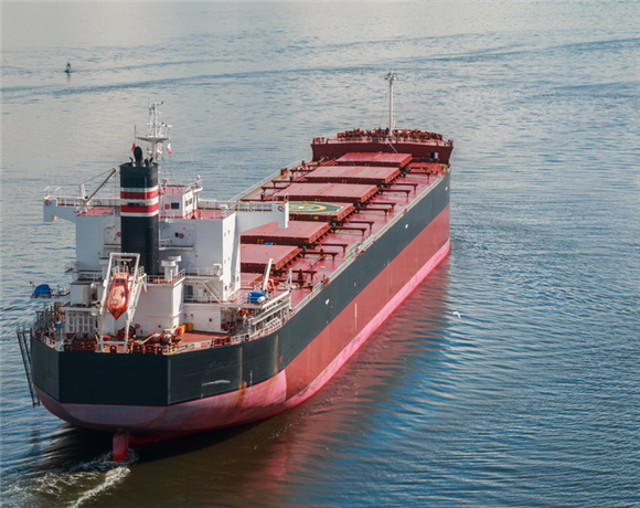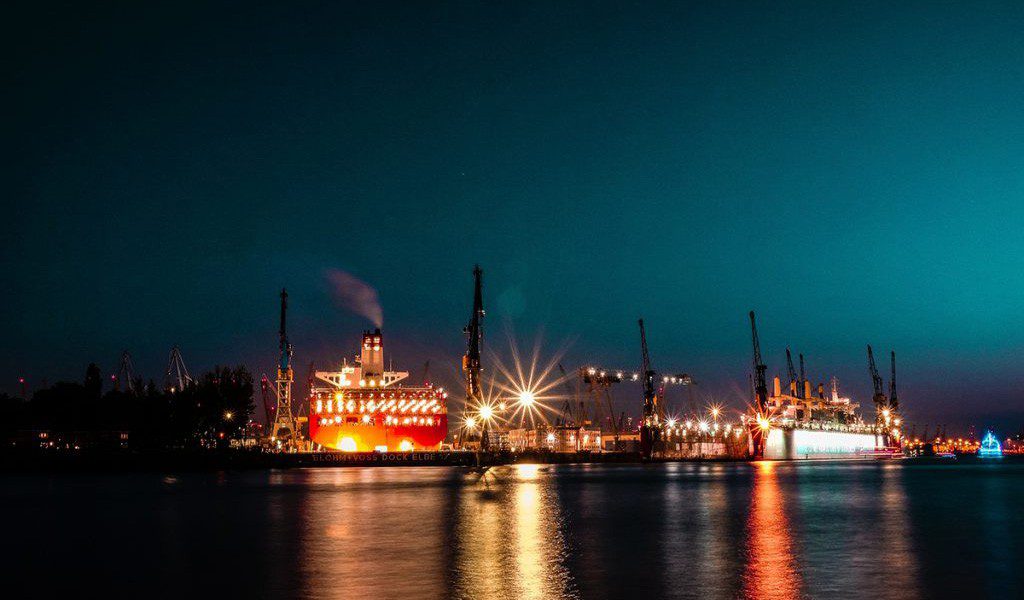
The European Union is turning to a new source of raw materials to accelerate its industrial decarbonization goals: decommissioned ships. Ships that for years have been going to low-standard scrapyards in South Asia are now seen as a critical scrap reserve for Europe. According to Brussels, managing this idle potential correctly will reduce external dependency for both steel and critical minerals.
According to a report submitted to the Public Consultation Meeting on the EU Circular Economy Act, with the growing and aging global fleet, Europe can use end-of-life ships as a strategic source of high-quality steel and support the decarbonization of the EU’s steel and construction sectors.
The number of ships to be dismantled will increase 5-fold
According to a report by Evrim Küçük; a joint study by the Belgium-based Shipbreaking Platform, Sandbag, and Tushia University predicts a five-fold increase in the number of ships sent for dismantling in the next decade, producing over 100 million tons of recyclable steel. Since recycling steel saves approximately 1.5 tons of CO2 per ton compared to primary production, this could help achieve significant emission reductions. The report emphasizes that ship steel can be directly reused in construction, thereby increasing circularity and reducing waste.
Only 11% is recycled within the EU
According to studies, 70-95% of a ship’s weight can be recovered as high-quality scrap. However, only 1% of European ships are recycled within the EU. This situation creates a significant capacity gap in the industry’s low-carbon production push. The research forecasts that over 700 ships per year will be decommissioned between 2032 and 2036. The scrap volume is expected to rise to 12 million tons by 2033; this figure represents approximately 15% of the EU’s total scrap consumption today. The rapid development of environmentally sound and safe dismantling facilities is one of the most critical items on Brussels’ policy agenda.
The competition for critical minerals has moved to aluminum scrap. According to EU Trade Chief Maros Sefcovic, scrap is now a “strategic commodity” and over 1 million tons per year are leaking out of the bloc via exports. Moreover, aluminum scrap being exempt from US primary metal tariffs creates a price difference, accelerating the flow from Europe to the US.
Europe is gripped by aluminum scrap concern
European Aluminium argues that US tariffs are attracting European scrap, while the US Aluminum Association blames China and demands “targeted export controls.” The value of scrap is directly linked to the transformation of EU industry. Europe aims to meet 25% of its critical mineral demand through recycling by 2030. Aluminum is at the center of low-carbon production because, when remelted, it requires only about 5% of the energy of primary production. However, the region’s primary aluminum production has declined by 25% since 2011; many smelters have closed due to high energy prices. This has made scrap a fundamental raw material for the EU. Despite this, 15% of recycling furnaces are idle due to insufficient feedstock.
Trends in scrap flows are putting further pressure on the EU. Project Blue calculates that Europe’s scrap exports outside the EU increased by 8.9% annually between 2018 and 2024. On the US side, July data shows that shipments from Germany and Spain have increased. China is the new rising competitor. After reversing its low-quality scrap bans in 2020, Beijing rapidly increased its imports. China’s growing demand and its target to increase its recycling capacity to 15 million /year by 2027 are intensifying global competition.