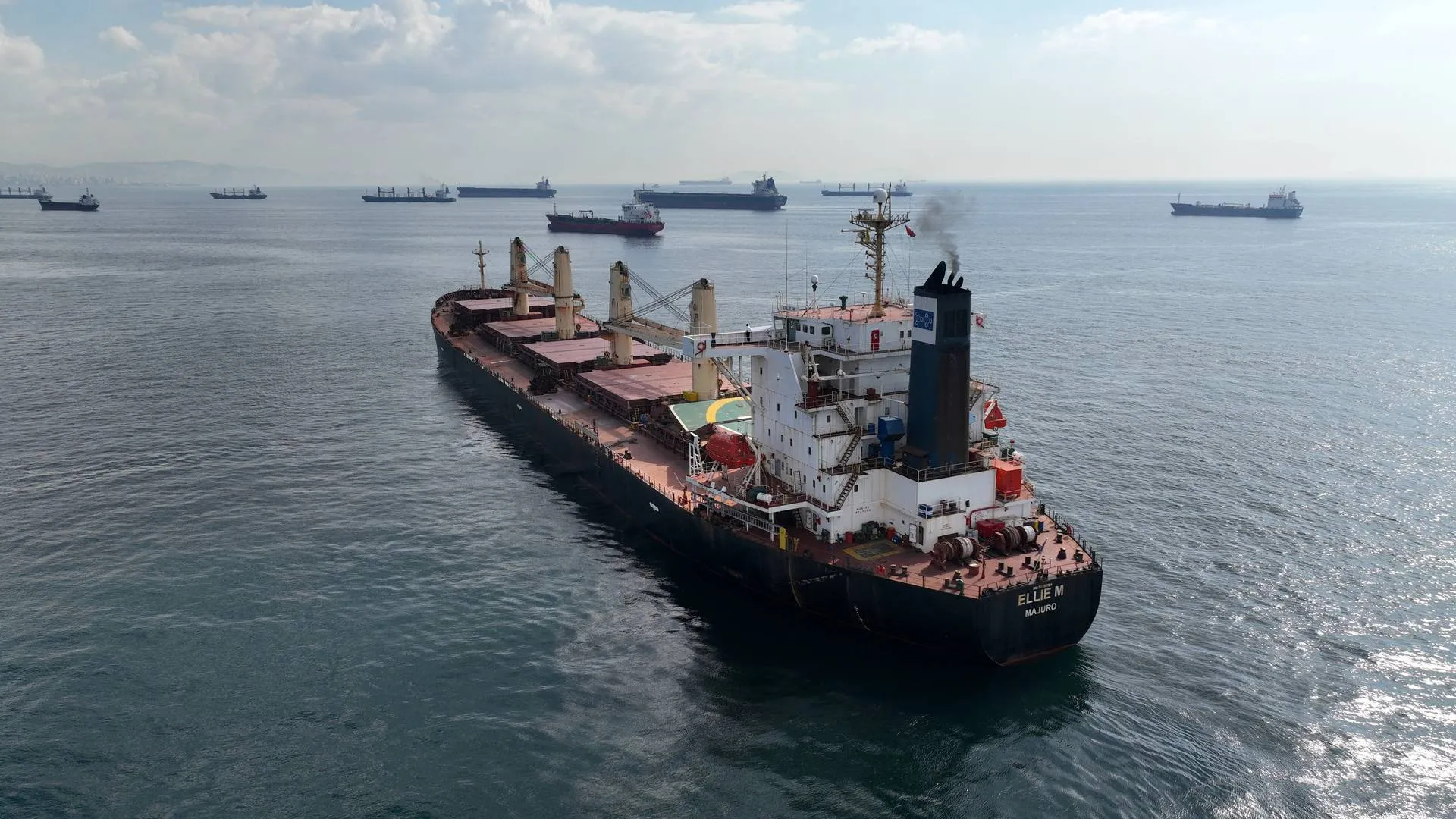
ecently, the Panamanian freighter “Baohua Bangkok”, carrying 32,000 tons of imported wood chips, slowly docked at Weifang Port. This is the first raw material transport ship to arrive in Hong Kong after the resumption of work and production of Chenming Paper Group, which not only marks the official resumption of international normal operation of the enterprise’s supply chain system, but also adds new momentum to Weifang Port’s foreign trade. The port maintains an average of about 1,500 foreign trade ships per year, and the number of international ships entering and leaving the port in the first half of 2025 will increase by 14.5% year-on-year.
As a leading papermaking enterprise in China and one of the top 50 papermaking enterprises in the world, Chenming Paper’s Shouguang base imports about 4 million tons of wood chips from Vietnam, the Philippines and other countries every year. Affected by the shutdown and maintenance from November 2024, the wood chip wharf in Weifang Port Area has been suspended for a period of time. With the gradual resumption of work on August 30 and the full resumption of production on September 10, the arrival of the freighter provides impetus and guarantee for the resumption of production.
The resumption of work and production of Chenming Paper is not only related to the development of the enterprise itself, but also is of great significance to ensuring the stability of the industrial chain and supply chain and promoting regional economic development. This steadily advancing resumption of production is inseparable from the solid support provided by Weifang Port’s increasing foreign trade service capabilities.
According to the data, Weifang Port currently has an average annual import and export port of about 1,500 foreign trade ships, an average annual arrival and dispatch volume of about 7 million tons of foreign trade goods, and an average annual arrival and dispatch volume of about 800,000 TEUs of container goods. In the first half of 2025, Weifang Port’s foreign trade development momentum will be particularly strong. 822 international ships entered and left the port, a year-on-year increase of 14.5%; the arrival and dispatch volume of foreign trade goods was 2.42 million tons; the container throughput reached 402,000 TEU, a year-on-year increase of 9.24%. The port cargo types cover 68 categories, including iron ore, coal, steel, wood chips, etc. The liquefied berth can operate 45 kinds of goods, and 26 kinds of liquefied goods have been transported, providing support for the modern industrial system of “3+N” (new medicine, new materials, and new energy) in Binhai District.
In terms of route layout, Weifang Port Container Company currently has 12 shipping companies operating 16 container routes online, including 12 domestic trade and 4 foreign trade, forming a route network pattern connecting the Bohai Sea in the north, the Yangtze River Delta in the south, and the Pan-Pearl River. Through the connection between high-quality routes such as Shandong Express and Qingdao, Yantai and other ports, goods can be quickly transferred to international routes, effectively reducing logistics costs and transportation time.
For example, the “Weifang-ASEAN” new era of “Lower Nanyang” grocery boutique route has realized the transformation from traditional bulk cargo to diversified product categories, and completed more than 80,000 tons of export goods in the first half of the year; and the first car of “Weifang-Zhou” was successfully shipped, making foreign trade groceries “start over” the norm, and increase the annual benefit by more than 50 million yuan; After the opening of the new route to the “Australia-Weifang” iron mine, it can increase foreign trade goods by 800,000 tons per year, saving more than 1,600 yuan in land transportation costs for hinterland enterprises.
In order to ensure the safety and efficiency of ship berthing and operation, Weifang Maritime Co., Ltd. has taken the initiative to open up a “green channel” and implement the safeguard measures of “priority entry, pilotage, berthing and departure, and inspection”. Through the “single window”, the electronic circulation of documents is realized, and joint boarding is also carried out with the port department to achieve “one boarding and one completion”. In addition, the use of “drones + patrol boats” to carry out three-dimensional cruise law enforcement, conduct safety “physical examinations” on ship fire and life-saving, communication and navigation and other equipment to prevent ships from sailing “with illness”.
“We provide full-chain guarantee for port foreign trade ships by optimizing the customs clearance process and strengthening safety supervision.” The relevant person in charge of the Weifang Maritime Safety Bureau said that these measures have greatly improved the efficiency of ship customs clearance and escorted the high-quality development of the regional economy.