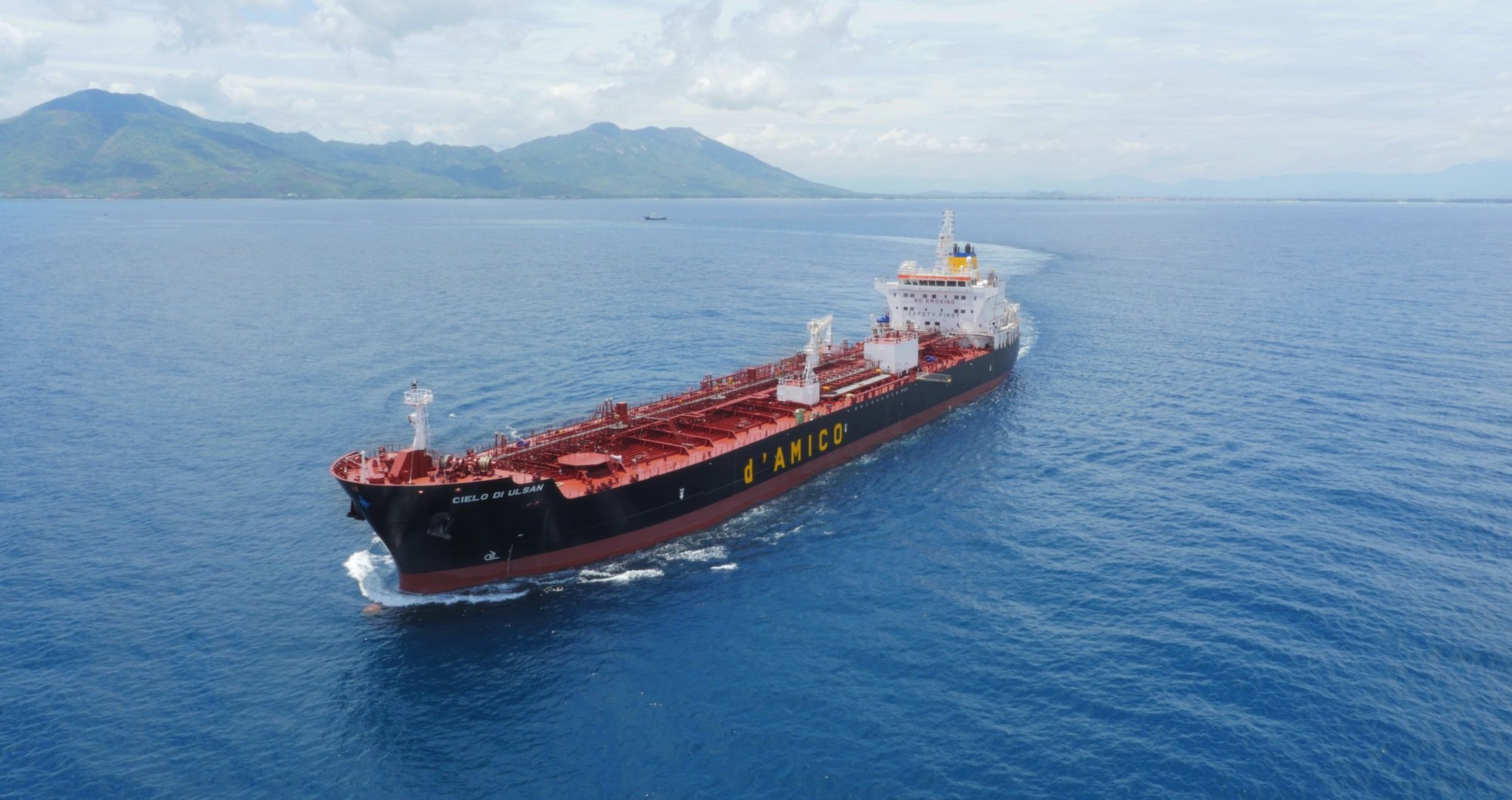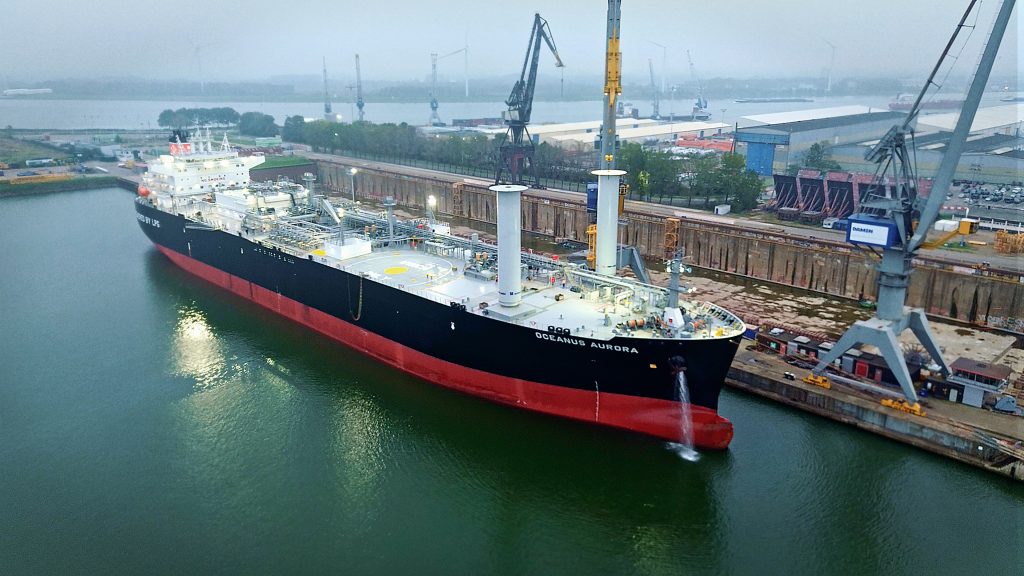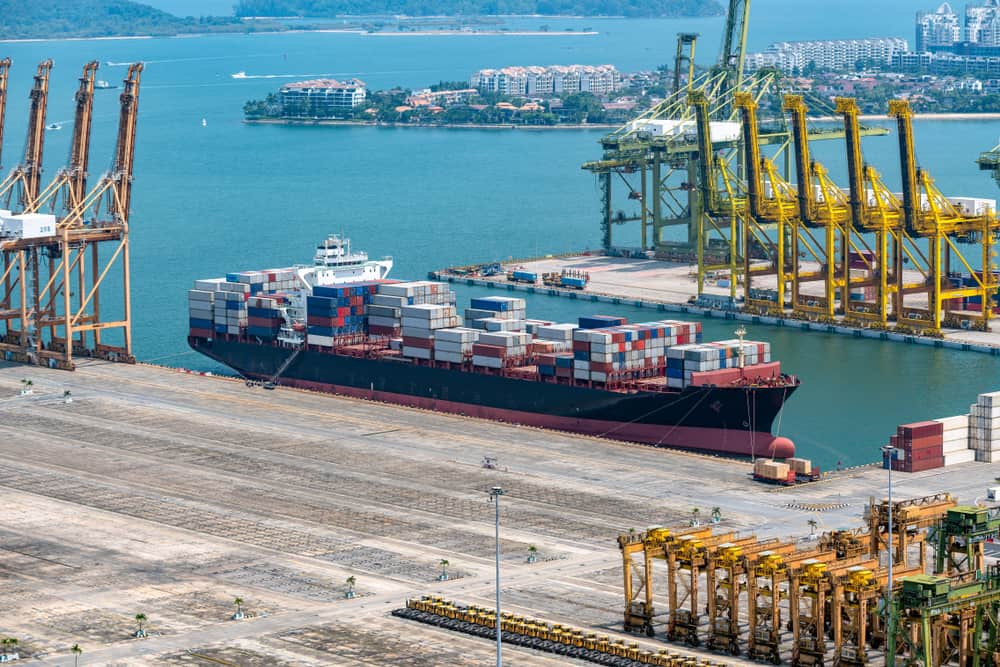
Amogy continues to advance partnerships with maritime industry leaders to deploy its technology in newbuild and retrofit vessel applications in support of international goals to decarbonize global shipping.
Amogy, an ammonia tech firm, has secured an additional $23 million in venture financing, successfully expanding the fundraise initially announced in January 2025. The latest investment, co-led by Korea Development Bank (KDB) and KDB Silicon Valley LLC, with participation from BonAngels Venture Partners, Pathway Investment, and JB Investment, strengthens the Brooklyn-based startup’s momentum in delivering stationary power generation systems.
Amogy has now raised a total of nearly $300 million since its inception, and reached a new high in company valuation. It accelerates the development of Amogy’s maritime products and supports its expansion into the Asian market. The company, after sailing the world’s first carbon-free, ammonia-powered maritime vessel in September 2024, continued advancing partnerships with maritime industry leaders to deploy its technology in newbuild and retrofit vessel applications in support of international goals to decarbonize global shipping.
It has expanded operations in South Korea and is rapidly accelerating the applications of its technology in stationary power generation, including a recent partnership with Pohang (city in South Korea) to deploy a clean, ammonia-fuelled distributed power generation system up to 40 MW for commercial operations by 2028-29.
Ammonia-to-Power Technology
Seonghoon Woo, co-founder and CEO of Amogy, says they have long recognized the strong demand for ammonia-to-power technology in the shipping industry. “We also see much broader opportunities to use ammonia as a clean fuel, especially with the growing demand for the ‘clean power’ globally. We’re ready to meet that market demand.” He highlighted that support for a hydrogen-based economy is especially strong in Asia. “And as the most cost-effective hydrogen carrier, ammonia is quickly evolving into the leading zero-carbon fuel solution for these markets.”
For South Korea, Japan, Singapore, and other Asian nations that do not have abundant fossil fuel deposits and must import most of their fuels, ammonia is an attractive and economic means for transporting and storing zero-carbon energy. In South Korea, policies like the Clean Hydrogen Portfolio Standard (CHPS) and the Distributed Energy Act (DEA) are driving a new energy economy, with hydrogen and ammonia projected to generate 2 percent of the country’s electricity by 2030 and 7 percent by 2035.