Coating and ultrasonic technologies news emerges as MEPC considers broader environmental lens
Recent innovations in antifouling by Alfa Laval and PPG coincide with calls to IMO’s Marine Environment Protection Committee in April 2025 (MEPC 83) to adopt a more integrated view of marine pollution, biodiversity and climate risks – an approach that could see future antifouling strategies assessed not only for efficacy, but also for ecosystem impact and cross-sectoral alignment.
Alfa Laval’s acquisition of NRG Marine and its ultrasonic Sonihull antifouling system marks a further step in the diversification of hull protection solutions.Designed to deter biofouling through ultrasound rather than chemical release, Sonihull operates without biocides or toxic coatings.
Alfa Laval stated Sonihull “meets the growing need for sustainable fouling control without compromising on performance or requiring drydocking for installation.”
While such claims are unremarkable in themselves, the timing of the announcement aligns with broader regulatory conversations underway at MEPC.
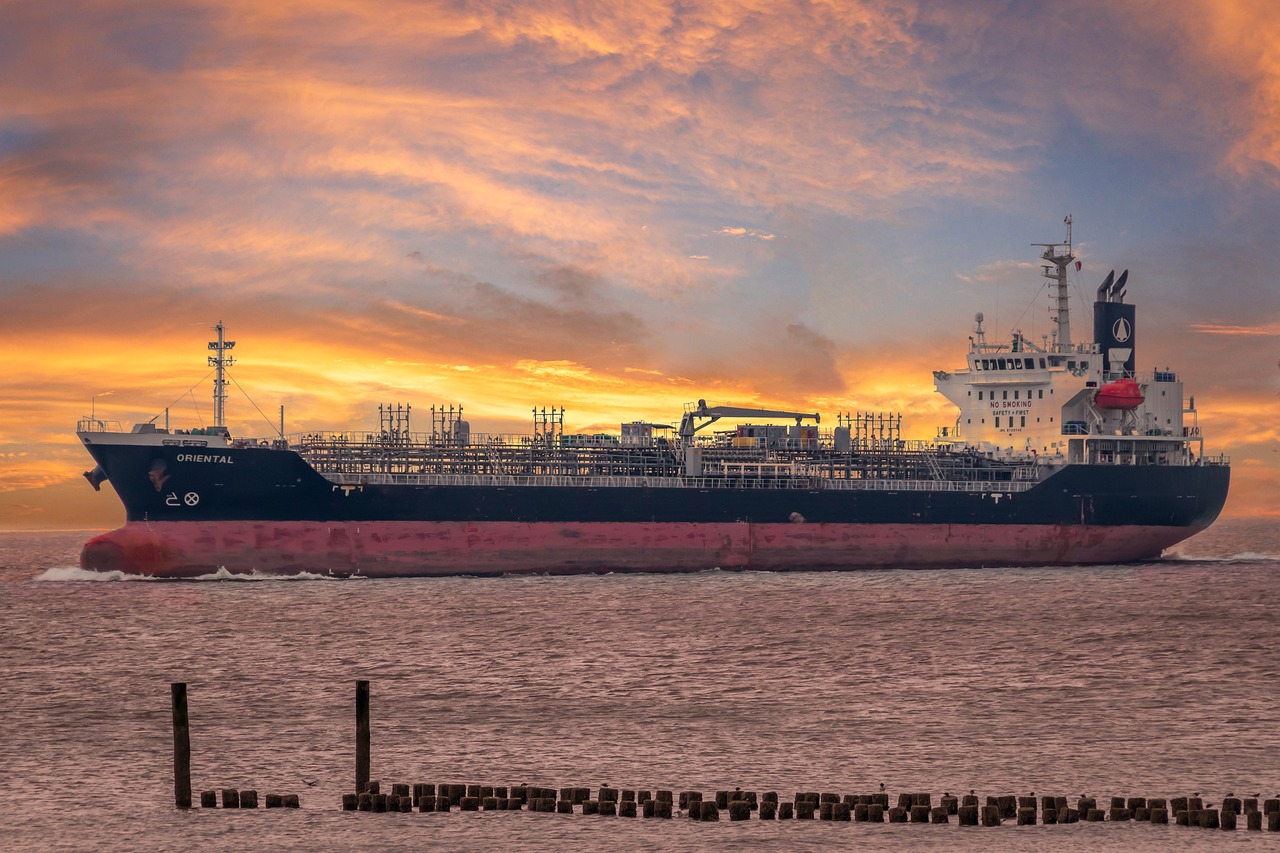
Parallel to this, PPG has announced the first drydock application of its biocide-free fouling release coating, SIGMAGLIDE 2390, using electrostatic spraying.Applied on a COSCO Shipping chemical tanker in Guangdong, China, the coating was applied using a high-efficiency method designed to minimise overspray and waste.
The company reported a smoother coating finish, enhanced application control and reduced material use. These technical outcomes were linked to operational benefits in terms of both hull efficiency and emissions control.
While Alfa Laval and PPG are pursuing differing technical paths – acoustic deterrence versus silicone coatings – the convergence lies in the move away from biocidal solutions and towards systems that may better reflect the pressures outlined in recent MEPC submissions.