According to foreign media reports, Australia has banned another ship from entering its ports after inspectors found that crew members had been underpaid and illegally charged for drinking water, escalating the country’s crackdown on labor rights violations in the global shipping industry.
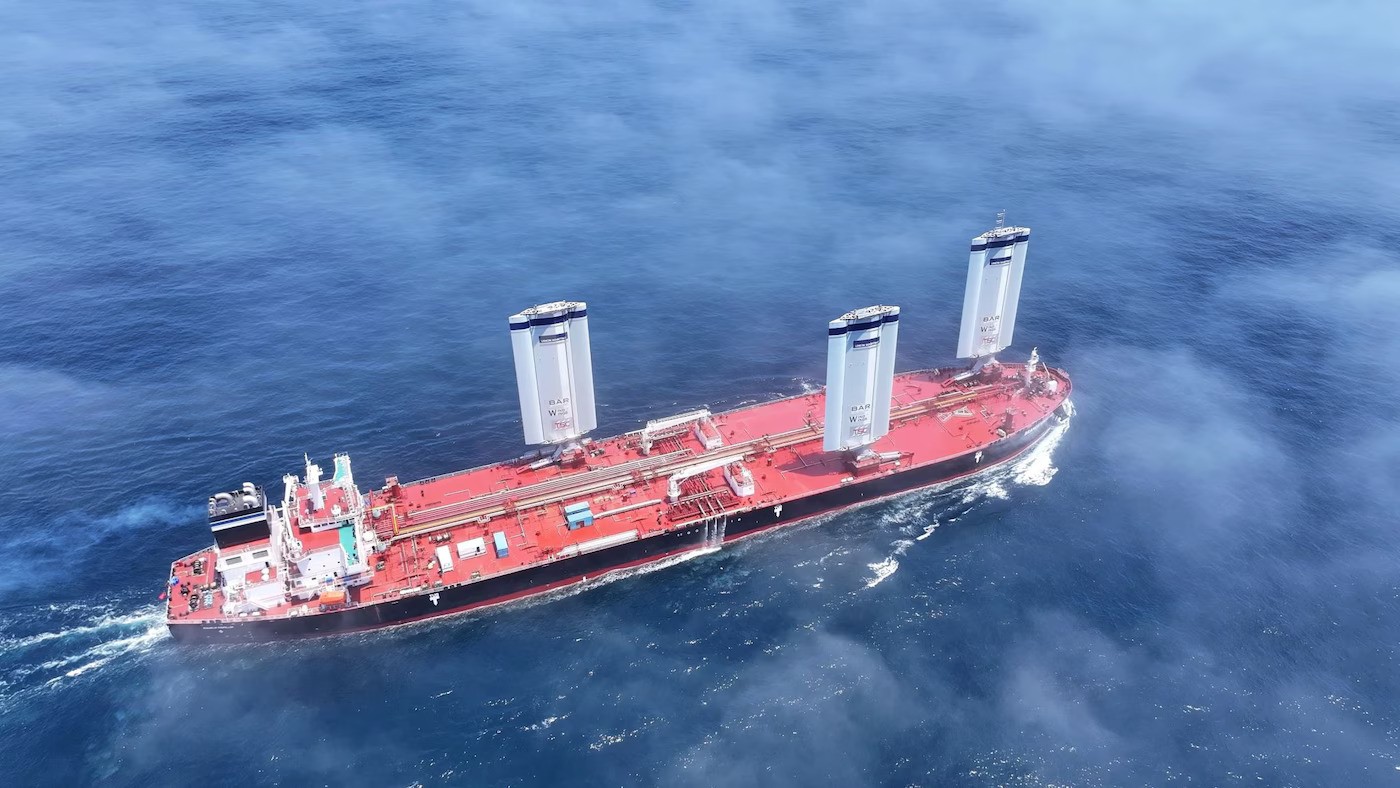
The Australian Maritime Safety Authority (AMSA) stated that the Liberian-flagged bulk carrier “FPMC B Forever,” operated by Formosa Plastics Marine, was detained at the Port of Newcastle on April 23 after a port state control inspection revealed multiple violations of the Maritime Labour Convention (MLC).
Inspectors found that crew members had been underpaid by nearly 15,000 Australian dollars (approximately 74,000 RMB) and were also charged for drinking water on board—a practice AMSA said violates international maritime labor standards.
The operator of the vessel has been banned from entering Australian ports or waters, effective immediately until July 28, 2026.
This measure is the third ban imposed by AMSA in less than two months, indicating an increasingly tough enforcement stance by Australian authorities, as global scrutiny of merchant ship crew treatment, wage arrears, fatigue, and working conditions continues to intensify.
Greg Witherall, Acting Executive Director of Operations at AMSA, said in a statement: “Any level of underpayment of seafarer wages is illegal and will trigger enforcement action.”
He added: “This action should serve as a wake-up call to those who think they can sacrifice crew safety for their own benefit.”
This case highlights a little-known side of the global shipping industry, which transports about 90% of the world’s trade goods yet often remains invisible to consumers. Seafarers typically work at sea for months at a time, transporting everything from fuel and food to consumer goods and industrial materials. However, labor abuse incidents continue to emerge in parts of the industry.
Australian regulators stated that operators who fail to comply with labor regulations will face serious commercial consequences, including costly delays, denial of port access, reputational damage, and increased inspections.
Witherall said: “The law is clear: if you underpay seafarers, the cost you pay will be far higher than the wages you tried to withhold.”
The inspection was conducted in Newcastle, one of Australia’s busiest export hubs and a key gateway for bulk commodity transport. Ship detentions at major ports can ripple through supply chains, disrupt cargo schedules, and impose cascading costs on charterers, cargo owners, and logistics networks already facing heightened geopolitical and trade volatility.
The Maritime Labour Convention—often referred to as the “Seafarers’ Bill of Rights”—establishes global minimum standards covering wages, accommodation, food, medical care, contracts, and crew welfare. Australia enforces the convention under its Navigation Act 2012.
AMSA stated that shipowners must ensure timely payment of wages, safe living conditions, adequate rest periods, and free access to essential services on board.
Witherall said: “Seafarers do one of the hardest jobs in the world, keeping global trade moving under tough conditions. Paying them correctly is not optional—it is a legal and moral obligation.”
The latest enforcement action comes amid renewed international attention on maritime labor conditions, as ongoing security crises in major shipping lanes, including the Strait of Hormuz and the Red Sea, have exposed thousands of seafarers to higher operational risks, longer deployment periods, and increasing psychological stress.
For shipping companies operating globally, Australia’s latest ban sends a broader message: regulators are increasingly willing to take measures that directly impact fleet operations and commercial access to key trade markets in order to combat labor violations.
Compiled and edited by Shipping Online
Statement: This article is reproduced for the purpose of conveying more information. If the source is incorrectly marked or infringes upon your legitimate rights and interests, please contact us with the relevant supporting documents, and we will promptly correct, delete it. Thank you.