The decision was presented as a direct and proportionate retaliation to the investigation initiated by the United States into Beijing’s commercial practices
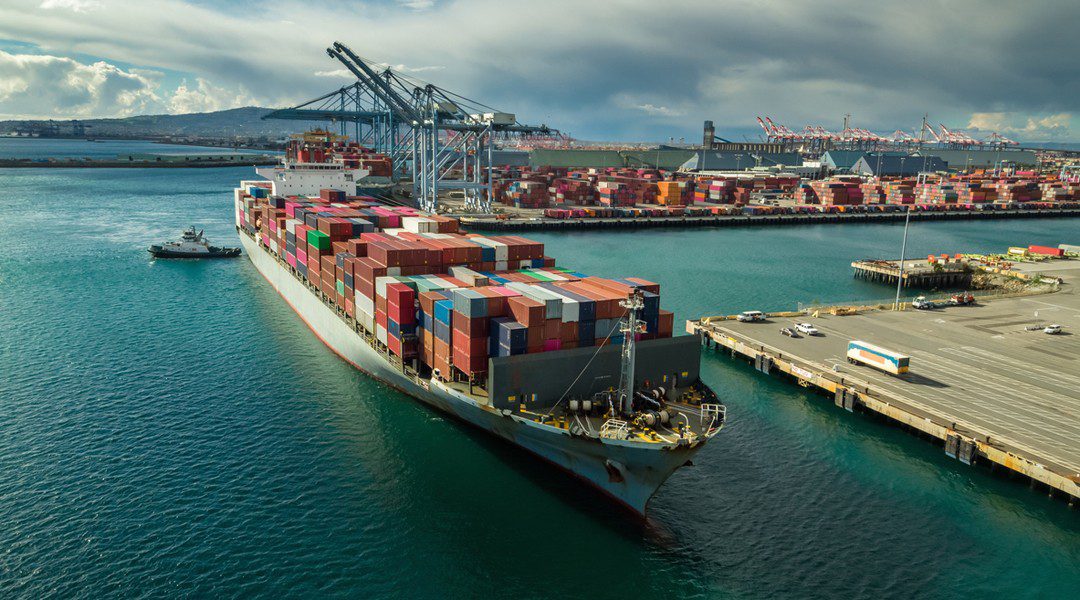
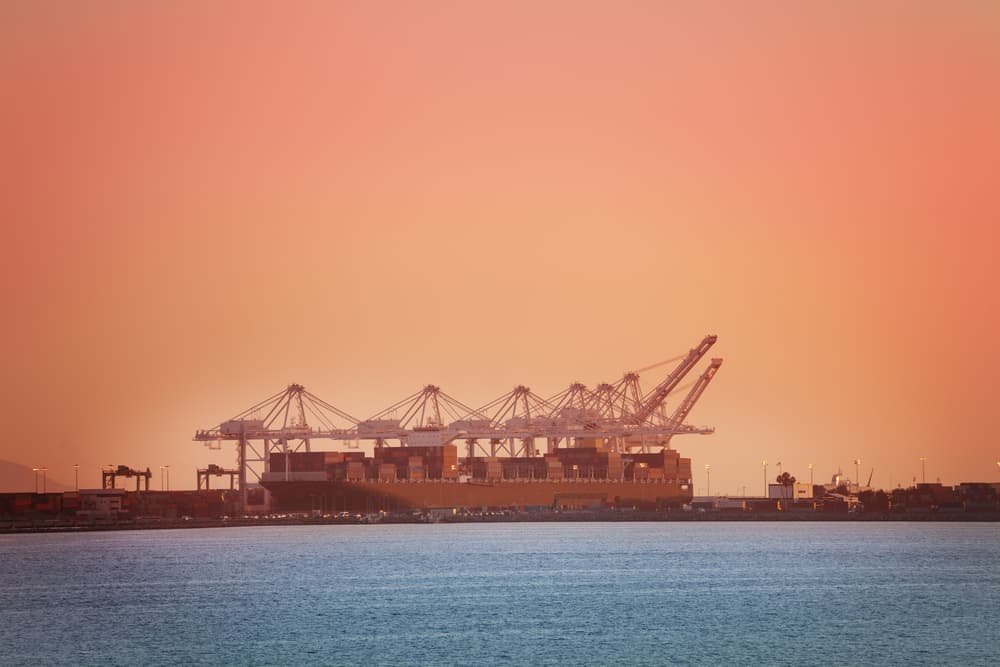
Beijing has significantly tightened its commercial retaliation against the United States, imposing severe targeted sanctions against the American subsidiaries of the South Korean giant Hanwha, a move that reflects the unprecedented escalation of trans-Pacific tensions and directly strikes at Washington’s attempts to revive and strengthen its strategic shipbuilding industry. The decision, announced by the Chinese Ministry of Commerce, was presented as a direct and proportionate retaliation to the investigation initiated by the United States into Beijing’s commercial practices. According to American authorities, these practices allegedly allowed the People’s Republic to build a dominant position considered unfair in the global maritime transport and shipbuilding sector. The imposed sanctions are extremely specific: they prohibit any Chinese entity and individual from conducting business and transactions with five specific US subsidiaries of Hanwha Ocean, including Hanwha Llc, Hanwha Yard Inc., Hanwha Ocean Usa Llc, Hanwha Shipping Holdings Llc and Hs Usa Holdings Corp.
The South Korean Hanwha, a leading global player in the maritime and defense sector (stock code 003530.KS), thus finds itself unexpectedly at the center of a geopolitical dispute that is rapidly intensifying its contours. The conglomerate had recently undertaken a massive investment strategy in the United States, in full alignment with Washington’s stated goal of re-industrializing sectors considered vital for national security and economic autonomy. Starting in August, Hanwha had communicated plans to invest a substantial sum, estimated at around5 billion dollars, intended for the modernization and expansion of its shipyard in Philadelphia, a strategic facility acquired in 2024 for 100 million dollars.
As proof of its deep commitment to the American industrial strategy, the company simultaneously placed construction orders forten new ships, including oil tankers and chemical tankers, specifically designed and intended to operate in the Jones Act service, which regulates maritime trade between American ports. The acquisition of the Philadelphia facility and the substantial investments represent a clear bet on the revival of US naval capacity. An element that may have further hardened Beijing’s response was Hanwha’s move, announced in May, to withdraw from its operational joint venture in China.
The announcement of the Chinese sanctions came at a time of particular friction, coinciding with the entry into force of onerous reciprocal fees imposed by the two nations on the other’s naval traffic. These actions at the port level, according to estimates elaborated by market analysts at Clarkson, could have a tangible impact on an estimated total of around500 vessels worldwide.
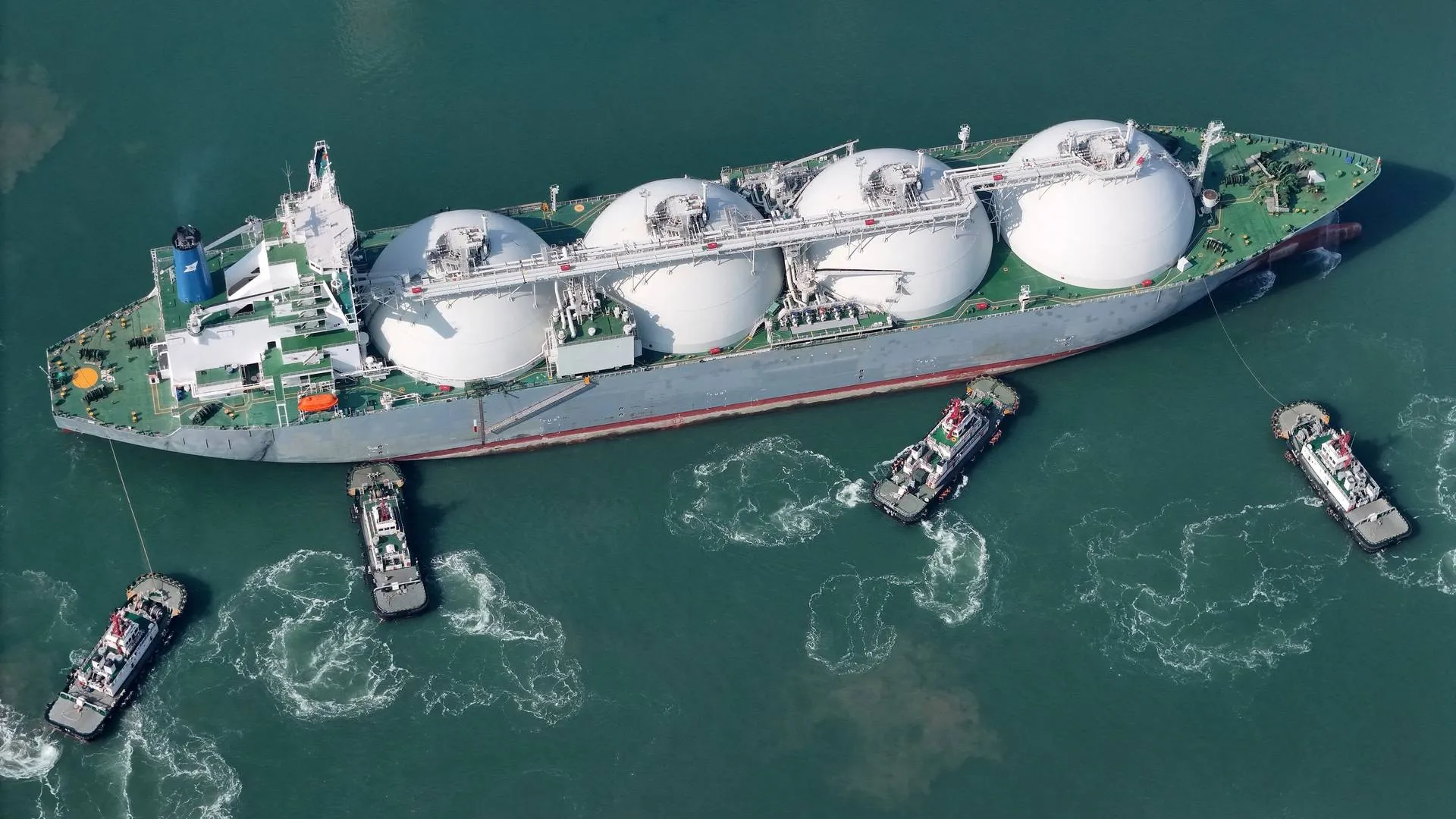
This number includes approximately 5% of the global fleet of container ships and a significant share, between 12% and 13%, of the tankers and liquefied natural gas (LNG) carriers that habitually call at Chinese ports, underscoring the vast global implications of the punitive measures.
Beijing’s aggressive moves highlight a continuous and accelerated deterioration of bilateral trade relations, a dynamic that persists despite an upcoming crucial meeting between US President Donald Trump and Chinese leader Xi Jinping. The face-to-face meeting is expected to occur on the sidelines of an imminent global trade summit, but the trade agenda appears increasingly compromised. Tensions have been further heightened by the deadline, set for November 10, of a second truce on retaliatory tariffs. In a recent development, China introduced new restrictive limitations on the export of some critical minerals, to which Trump immediately responded by threatening to impose 100% punitive tariffs starting November 1 on a vast and unspecified range of Chinese goods.
The current economic landscape starkly reflects this growing friction: data from the Chinese customs agency reported that Chinese exports to the United States decreased drastically, marking a 27% drop in September. This is the sixth consecutive month of decline in trade with what remains its main trading partner. The direct and targeted action against Hanwha, a company belonging to a third country, represents an even bolder and more intimidating tactic by Beijing, aimed at peremptorily dissuading leading foreign companies from actively aligning with and participating in American industrial and national security policy. This development projects the collateral damage of the Sino-American trade conflict onto a global platform and raises serious concerns regarding the stability of international supply chains and economic security. The South Korean company now finds itself forced to manage the complex and burdensome impact of being caught between two fires, with its ambitious investment plans in the United States placed under the direct threat of economic retaliation imposed by Beijing.