The Bureau of Ocean Energy Management (BOEM) is seeking comment on guidelines that lessees must include in construction and operation plans (COPs) for offshore windfarms
BOEM said the guidelines will increase transparency and consistency for the offshore wind industry, government partners and other stakeholders in advance of formal environmental and technical reviews of projects.
In a 45-day public comment period, BOEM is seeking information from industry and other stakeholders regarding any clarifications or questions on the proposed guidelines.
The first, ‘Guidance on Information Needed for Issuance of a Notice of Intent (NOI) Under the National Environmental Policy Act (NEPA) for a Construction and Operations Plan (COP)’ – the NOI Checklist – is based on BOEM’s regulations and describes how the agency will process incomplete COP submissions to improve the efficiency of reviews; and provide clarity to COP applicants and cooperating agencies participating in BOEM’s environmental reviews.
This approach identifies the minimum threshold for a partial COP submission that an applicant is expected to meet before BOEM will initiate the formal environmental and technical review process through publication of a NOI to prepare a NEPA document for the project. Moreover, BOEM will consider conformance with the NOI Checklist when considering acceptance of FAST-41 Initiation notices, where applicable.
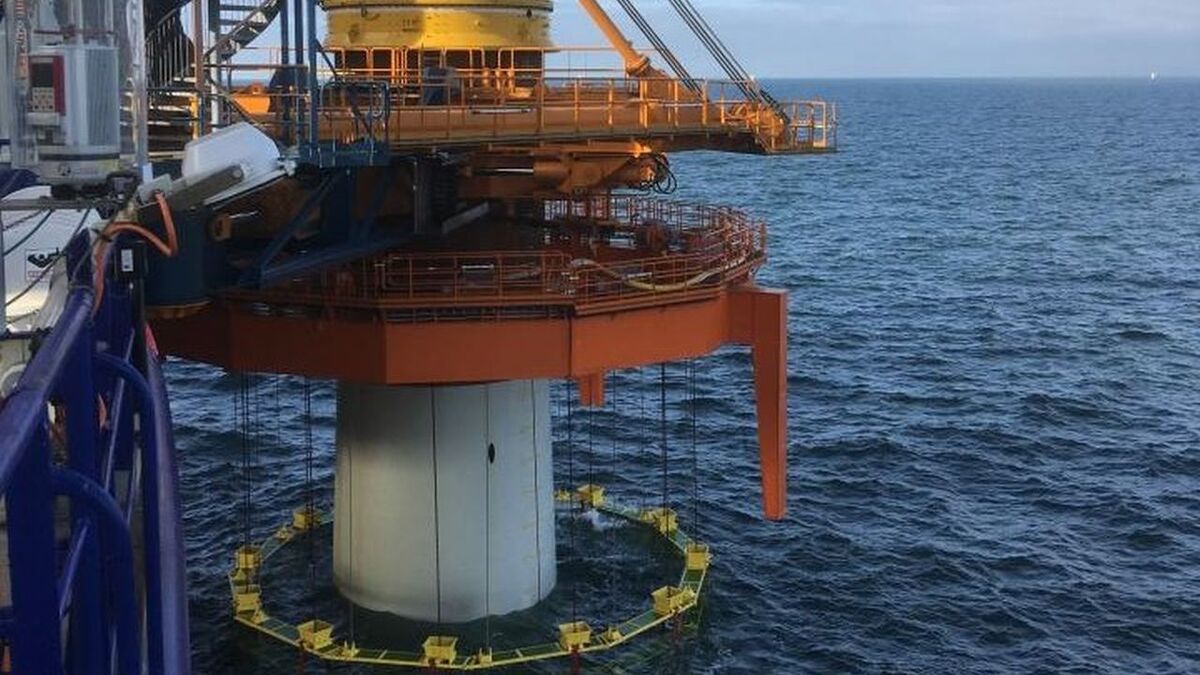
The second, ‘BOEM Nationwide Recommendations for Impact Pile Driving Sound Exposure Modelling and Sound Field Measurement for Offshore Wind Construction and Operations Plans’ – the Marine Acoustic Modelling and Measurement Guidelines – is a set to recommendations to lessees as they develop acoustic and exposure models for pile-driving and for sound-field measurements, to be included in a COP.
Because underwater sound generated from impact pile driving can affct marine species near a project area, an important aspect of BOEM’s environmental impact assessment is to estimate and validate the area. Specifically, two processes are typically performed: a noise impact assessment is conducted during the pre-construction phase, via modelling and analyses, and ensonified areas are validated during the construction phase via sound field measurements.
The recommendations are not meant to be prescriptive or restrain operators to using a specific type of model. Instead, the goal is to ensure that key physical and biological factors are incorporated into the modelling and outputs, and to ensure a uniform presentation of modelling results to aid BOEM with its assessment.
BOEM is also providing recommendations for sound-field measurements for the purpose of sound-field verification after plan approval.