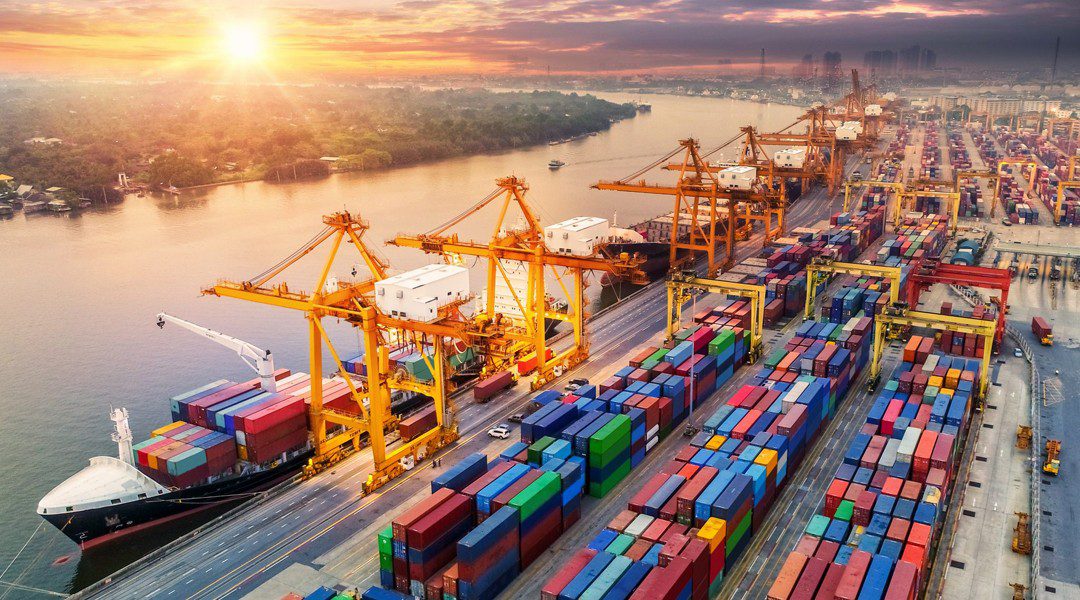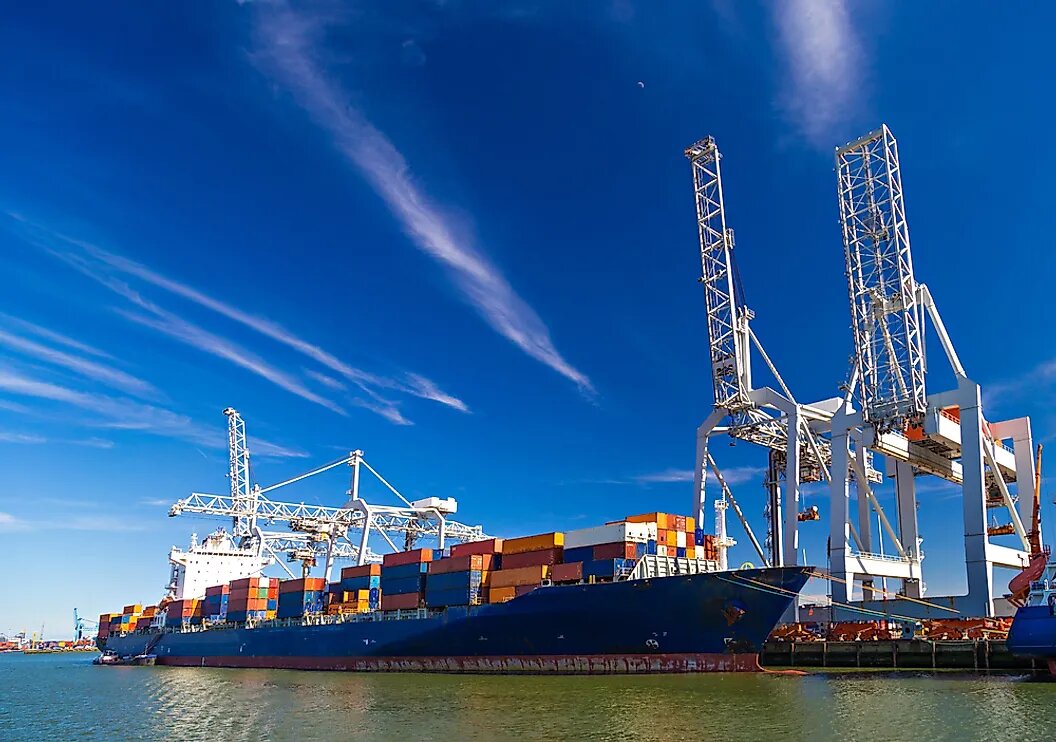
The British Ports Association expressed concern that ports have invested in “useless” infrastructure as the introduction of physical Brexit border checks on EU food and animal products have been delayed for the fourth time.
Sanitary and phytosanitary (SPS) inspections at specially prepared borders infrastructure were due to be introduced in July, however the UK government announced that these controls will not be in place until at least the end of 2023.
The government also noted that a new revised light touch regime will be prepared, potentially meaning the newly built Border Control Posts will be useless.
Richard Ballantyne, the chief executive of the British Ports Association, said: “Many UK port operators have built Border Control Posts in preparation for post Brexit checks and all were due to be ready.
“This announcement is a major policy change, meaning the facilities will effectively become white elephants, wasting millions of pounds of public and private funding, not to mention the huge effort there has been to get things ready in time.”
SPS checks have been taking place in all EU countries that trade with the UK since the Brexit withdrawal agreement was implemented on January 1, 2021.
Now postponed, the processes would have involved physical inspections and checks of animal and plant products coming in from the EU in line with the UK’s environmental health standards.
These are carried out by specialist port health officials and designated facilities which ports have been finishing, some of which were funding through the government’s Port Infrastructure Fund which was announced in 2020.
“Most ports will need to recoup some of their construction and operating costs for their infrastructure and this is traditionally done through levying a charge on importers,” Ballantyne added. “Ports have been recruiting staff to operate the facilities but now this needs to stop.”
The British Ports Association has sought clarification from policy makers on whether there will be any type of financial assistance or compensation for ports and also if operators can start to bulldoze the facilities and use the sites for other purposes.
In a statement announcing the changes, UK minister for Brexit opportunities and government efficiency Jacob Rees-Mogg noted that British businesses have been hit by rising costs caused by Russia’s war in Ukraine and in energy prices.
This it would be “wrong” to impose new administrative burdens and risk disruption at ports and to supply chains at this point.
He claimed that by not introducing the import controls, British business will be saved up to £1bn (US$1.3bn) in annual costs.
Rees-Moggs said: “Introducing controls in July would have replicated the controls that the EU applies to their global trade. This would have introduced complex and costly checks that would have then been altered later as our transformation programme is delivered.
“The challenges that this country faces has underlined that this is not the right thing to do for Britain.”
Instead, the UK government is accelerating its transformative programme to digitise Britain’s borders, harnessing new technologies and data to reduce friction costs for businesses and consumers
It will also publish a Target Operating Model in autumn which will set out its new regime of border import controls, targeting the end of 2022 as the revised introduction date for its controls regime.
“This new approach will apply equally to goods from the EU and goods from the rest of the world,” Rees-Mogg explained. “It will be based on a proper assessment of risk, with a proportionate, risk-based and technologically advanced approach to controls.”
This includes the Single Trade Window, which will start to deliver from 2023, the creation of an Ecosystem of Trust between government and industry, and other transformational projects as part of the UK government’s 2025 Borders Strategy.
The controls that have already been introduced will remain in place.
Director general of the Institute of Export & International Trade, Marco Forgione, said that he understood why the government has postponed the controls.
“What is important now is that government works speedily and transparently towards a settled state for the border so that traders, who have had to cope with so much change, can have the certainty they need to plan for the long term,” he added.