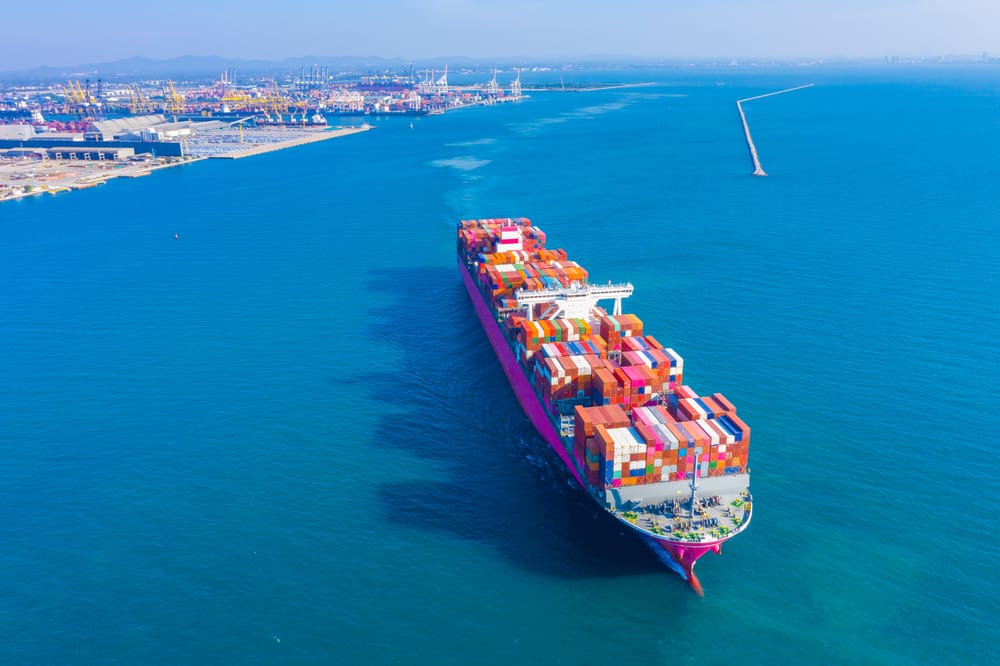
Bulk carrier newbuilding orders have dropped to historic low levels in Q1 2025, with analysts pointing to a combination of market conditions and regulatory factors
Greek shipbroker Intermodal noted in its latest weekly report that shipbuilding contracts were limited to just 18 vessels from January to March, totalling 1.6M dwt. Intermodal head of research Yiannis Parganas highlighted this marks a historic low in dwt terms for a first quarter, and it is the second-lowest quarterly total on record, surpassed only by Q3 2016.
Capesize vessels were the most preferred bulk carrier type ordered this year, with six units registered. Additionally, Intermodal reported contracts for five Kamsarmax, three Handysize, two Newcastlemax, and two Ultramax bulk carriers.
When compared with previous years, the decline in newbuild orders is striking. In Q1 2024, shipowners placed orders for 173 bulk carriers, totalling 13.9M dwt. For the same period in 2023, 2022 and 2021, orders for vessels totalled 9.8M dwt, 10.7M dwt and 13.4M dwt, respectively.
Notably, BRS Shipbrokers reported in its annual review that dry bulk orders rose from 51.8M dwt in 2023 to 59.1M dwt in 2024, marking the best year in the past decade. Analysts predict that approximately 40.0M dwt of newbuilding contracts will be signed in 2025.
Key obstacles for investment
Intermodal’s Mr Parganas attributes the low order activity to weak freight rates, particularly in the largest part of the quarter, which reduced the incentive for fleet renewal. Many shipowners are prioritising liquidity and operational efficiency over long-term investments.
Furthermore, despite some minor price corrections, newbuilding prices remain high. Adding to this pressure, uncertainty surrounding future environmental regulations and propulsion technologies, particularly in light of the IMO’s decarbonisation targets, has led to increased hesitancy among shipowners, Mr Parganas noted.
Another factor influencing investment decisions is the limited berth space in shipyards, which are operating near full capacity, pushing delivery slots well into 2027 and beyond.
Geopolitical developments, including rising trade tensions and proposed US port fees, have also added an extra layer of risk to newbuilding strategies, prompting a more cautious approach within the industry, according to Mr Parganas.