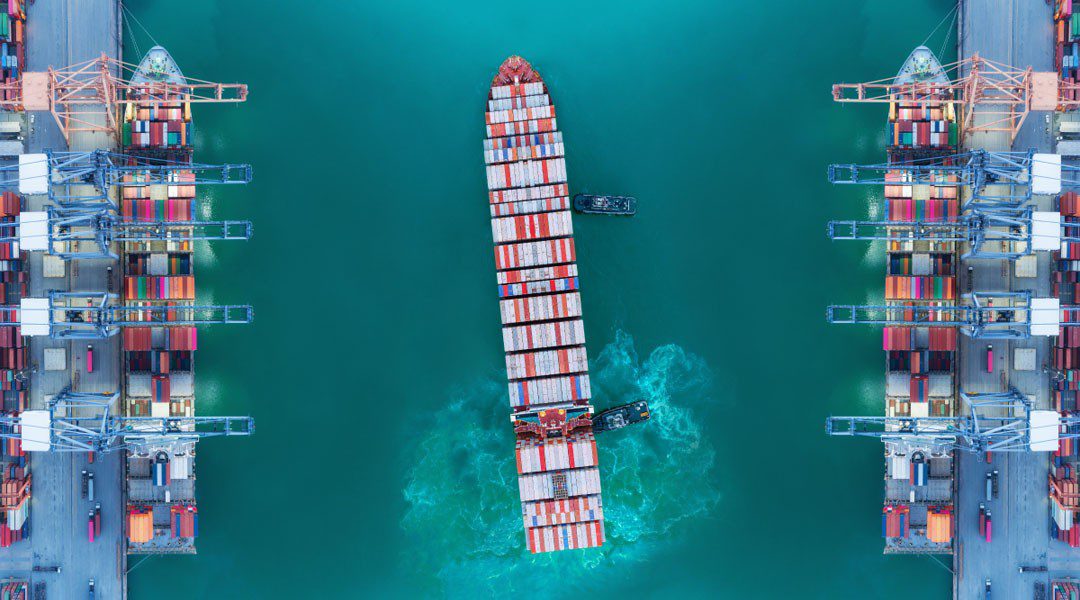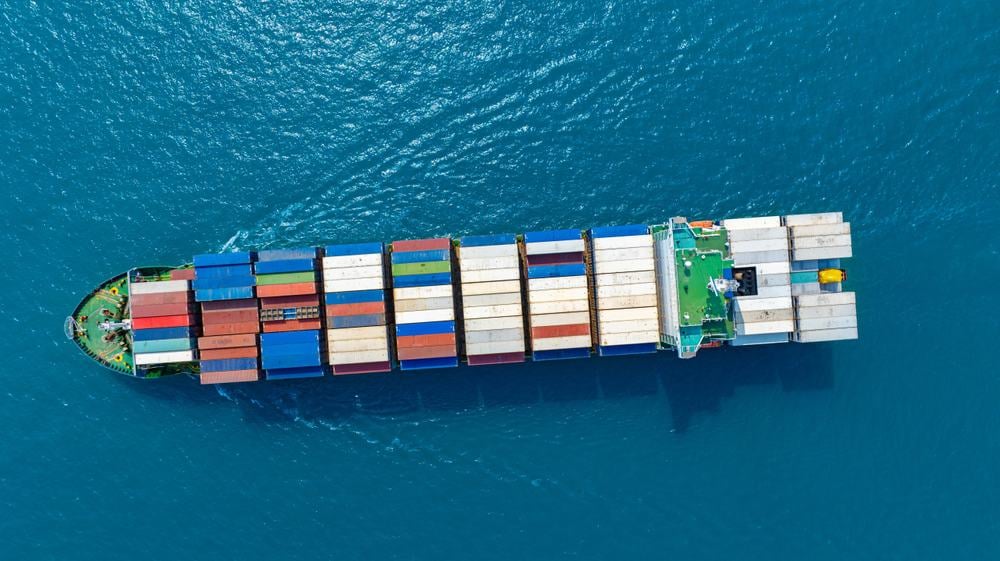
The total global order book for container ships is approaching 13 million TEU, equivalent to 12.98 million TEU distributed across 1,592 vessels, i.e., 38.3% of the active fleet capacity. At the same time, shipping lines are gradually reorienting their shipbuilding strategy, moving from ultra-large container carriers to small and medium-sized vessels in the feeder and regional segments, according to data from Alphaliner.
In recent years, an unprecedented increase in new orders has driven the container ship order book at global shipyards to historic highs, but the mix of vessel types in newly signed orders has undergone a significant change.
According to figures from the analyst, since July 2025, orders for new vessels under 6,500 TEU have accounted for approximately 74% of total container ship orders; in the previous 12 months, that proportion was below 30%. This shift is due to a sudden surge in newbuilding orders after the pandemic, during which New Panamax and Post-Panamax container ships dominated the market, as shipowners sought to achieve economies of scale and compete for market share on major east-west routes.
Currently, liner shipowners are gradually focusing their attention on regional and feeder vessel markets, where aging fleets and growing cargo volumes are driving demand for new capacity. This trend is observed across various types of container ships.
Alphaliner notes that ordering activity for 1,200 TEU feeder container ships and 1,800 TEU Bangkokmax vessels has been very intense; in the last year alone, nearly 150 orders were placed for 1,800 TEU Bangkokmax units; new orders for the 3,100 TEU class exceeded 100; vessel types in the 5,000 to 6,500 TEU range are also in high demand among shipowners.
The analyst forecasts that the boom in orders for small and medium-sized container ships will continue into 2026. In the first half of this year, orders were placed for 329 new units with a total capacity of 1.89 million TEU, and no orders for mainline container ships of 16,000 TEU or more are expected in the second quarter of this year, a situation not seen since early 2024.
However, due to the large number of orders for ultra-large container carriers placed in 2023 and 2024, the capacity structure of the order book remains skewed towards large vessels. Once these ships are delivered, the capacity of the over 18,000 TEU class will virtually double compared to current levels.
In the small and medium-sized container ship market, Alphaliner believes that the newbuilding order volume does not yet cover fleet renewal needs. Currently, orders for vessels under 6,500 TEU are insufficient to replace the capacity of units that will soon reach 25 years of age, indicating that there will likely be more orders for regional and feeder container ships in the coming years.