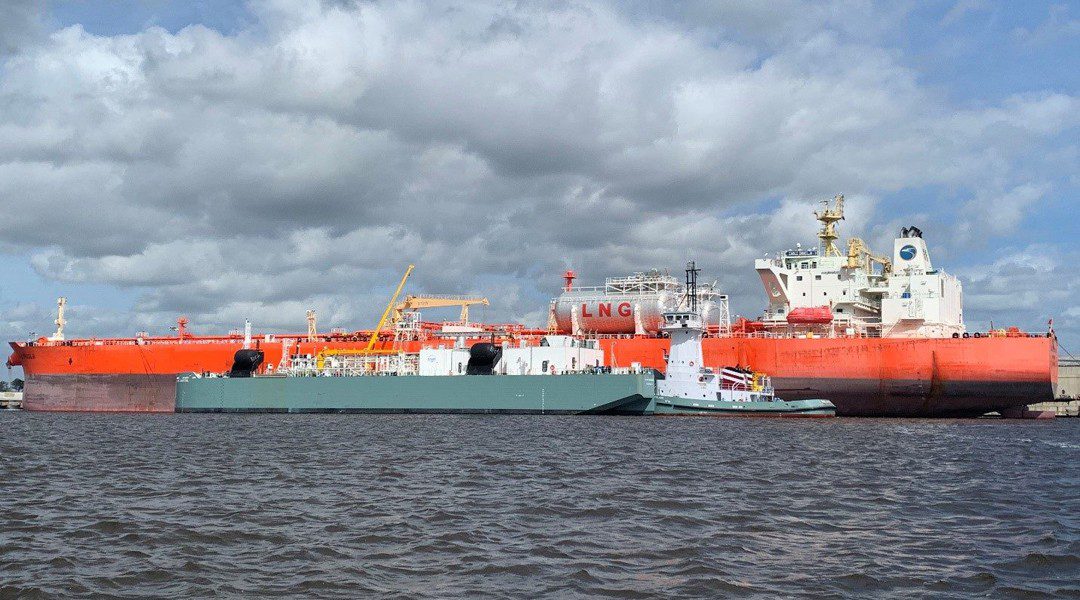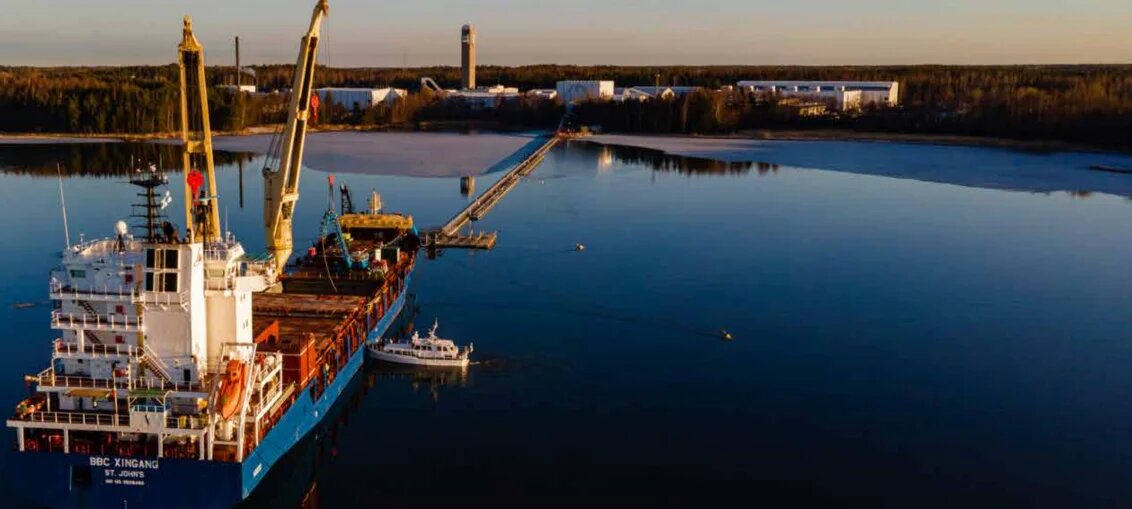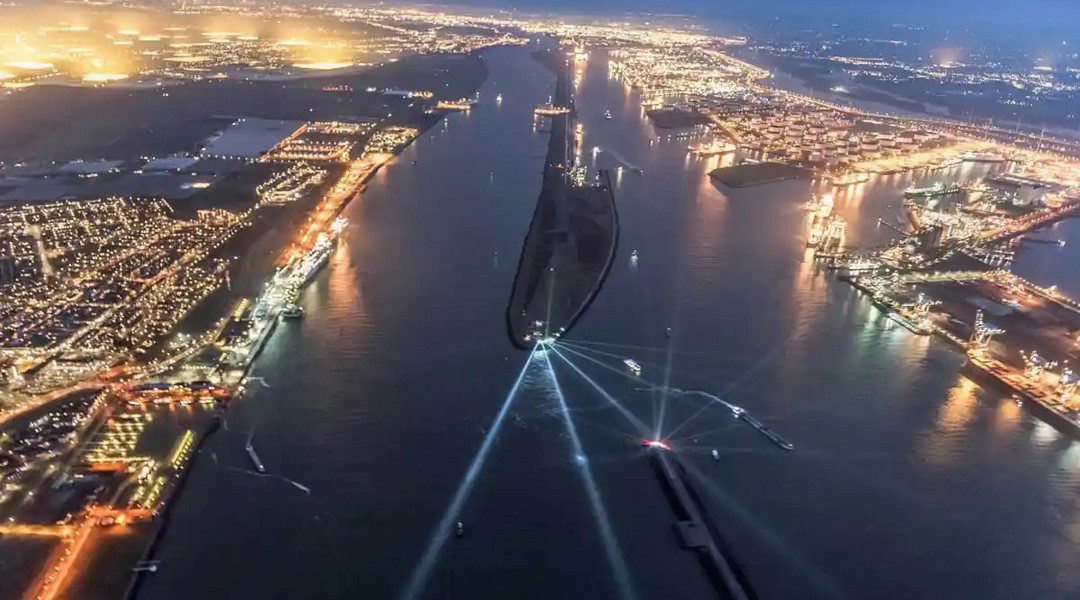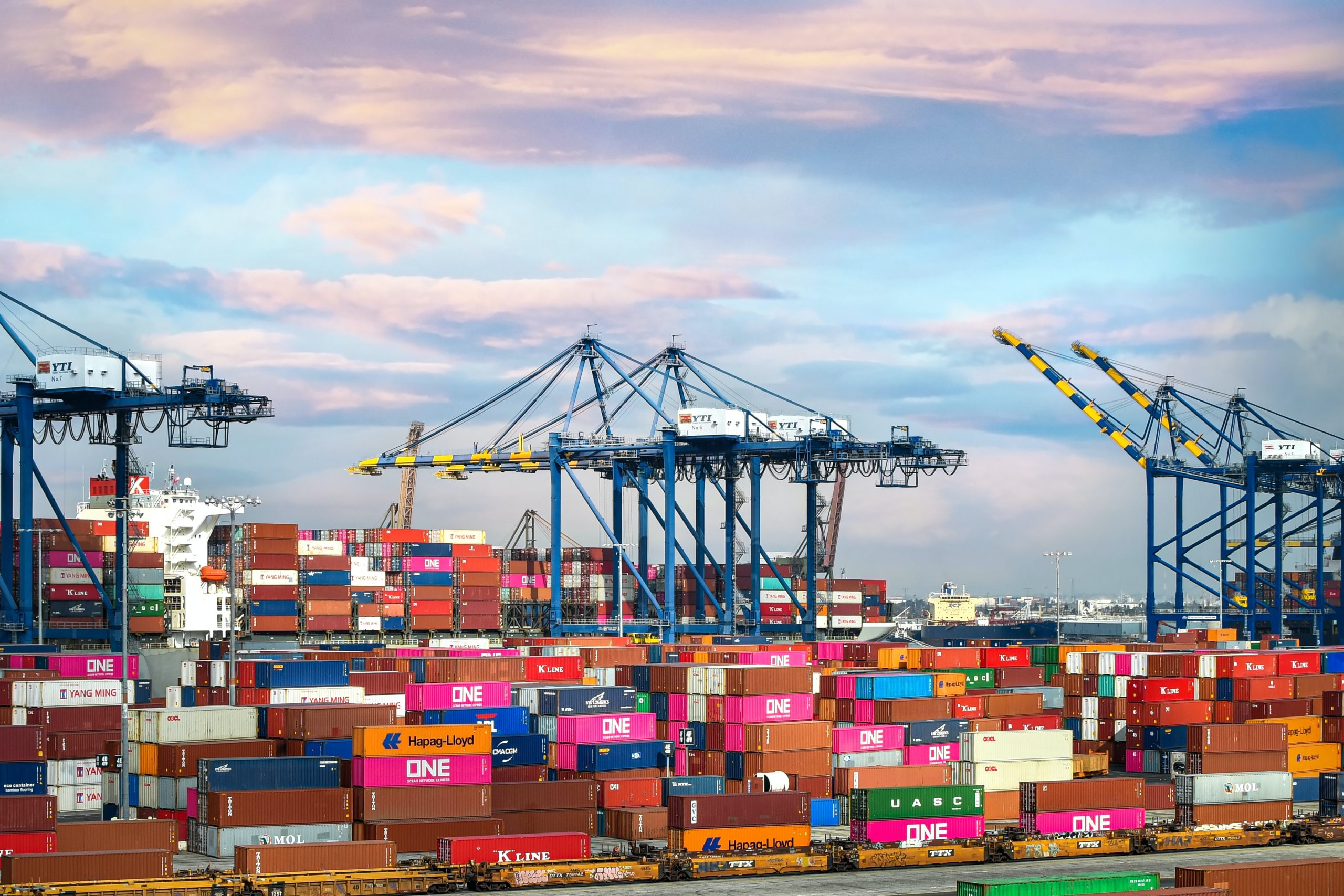
As the Middle East conflict continues to escalate, global shipping routes are being reshaped, and ship bunkering operations along the African coast are experiencing significant growth. An increasing number of vessels are opting to detour around the Cape of Good Hope instead of using the traditional Suez Canal and Bab el-Mandeb Strait passage, making Africa’s role in the global marine fuel supply chain increasingly important.
Since the Houthi attacks in the Red Sea began in late 2023, shipping companies have started avoiding the Suez Canal and the Bab el-Mandeb Strait. Furthermore, strikes by the US and Israel on Iran, along with the closure of the Strait of Hormuz, have intensified the trend of route adjustments. The industry widely expects the African bunkering market to benefit from the ongoing instability.
This month, major container shipping lines including Maersk, Hapag-Lloyd, and CMA CGM announced they would divert more vessels around the Cape of Good Hope. While these detours increase voyage times, they provide vessels with opportunities to bunker at emerging African supply points, simultaneously accelerating investment from fuel suppliers and trading companies.
Bunkering suppliers with existing operations in Africa, such as Denmark’s Monjasa, have seen consistently strong demand in recent years. New entrants like Vitol, Bunker Partner, Peninsula, Flex Commodities, and Global Fuel Supply have also announced expansion plans.
Monjasa has nearly two decades of operational experience in West Africa and also supplies fuel in Fujairah. In the first week of the war’s outbreak, the company’s bunkering business saw further growth. Company spokesperson Thorstein Andreasen stated: “The security situation in the Red Sea is prompting more vessels to detour around southern Africa, leading to a significant increase in business volume. Regardless of the conflict’s outcome, we expect overall volatility in the shipping market to remain high for a considerable period.”
New Routes Become “Normal Operations”
The shift towards the Cape of Good Hope route is evident. The Cape of Good Hope Chamber of Commerce and Industry reported that as of early March this year, the number of detouring vessels increased by 112% year-on-year, indicating that shipping companies are viewing it as a long-term operational strategy.
Bhavan Vempati, Head of Maersk’s Asia Market, stated: “After nearly two years of practice, it’s difficult to call this arrangement a temporary measure anymore; it has become the norm adapting to the new operational reality.” He revealed that Maersk conducts routine bunkering operations in West Africa and at the Port of Tangier.
This trend has also attracted new participants. In November last year, Dubai-based Flex Commodities launched physical bunkering operations at Walvis Bay and Luderitz in Namibia. Flex Managing Partner Rakesh Sharma said: “We are targeting the growing shipping volume around the Cape of Good Hope and the coastal offshore market, providing alternative options to traditional bunkering ports.” He added that the company’s initial focus is on West Africa, where supply still lags behind demand, especially in offshore areas.
Moses Komodatam, Operations Manager at Ghanaian fuel supplier Misa Energy, stated that the company is expanding its offshore bunkering supply capacity to meet growing demand. He expects Ghana’s bunkering volume to triple in the next decade.
Furthermore, as early as a meeting last March, the Mauritius Ports Authority revealed that the total fuel sales volume at Port Louis nearly doubled in 2024, reaching a record 929,043 tonnes, compared to 509,837 tonnes the previous year.
However, South Africa, a historically important bunkering hub in Africa, has lost some business due to regulatory issues. A report released by PwC this month shows that bunkering volumes in 2024 dropped to about 80,000 tonnes per month, compared to about 130,000 tonnes in 2023, with some business flowing to Port Louis and Walvis Bay.
Safety and Supply Risks Remain
Industry insiders caution that African bunkering still faces multiple challenges, including piracy threats, limited infrastructure, and supply uncertainties caused by restricted Middle East fuel exports due to the Strait of Hormuz closure. Emril Jamil, Senior Analyst at LSEG, stated: “Reduced crude supply and refinery output cuts will lead to tighter fuel supply at various bunkering hubs.”
High costs due to congestion at Ghana’s Tema port and tax policies also create pressure for long-term development, noted Misa Energy’s Komodatam. Additionally, tax and licensing disputes add to the uncertainty. South Africa’s Algoa Bay, an important international shipping bunkering point, has seen a decline in its bunkering capacity since a tax compliance crackdown began in late 2023.