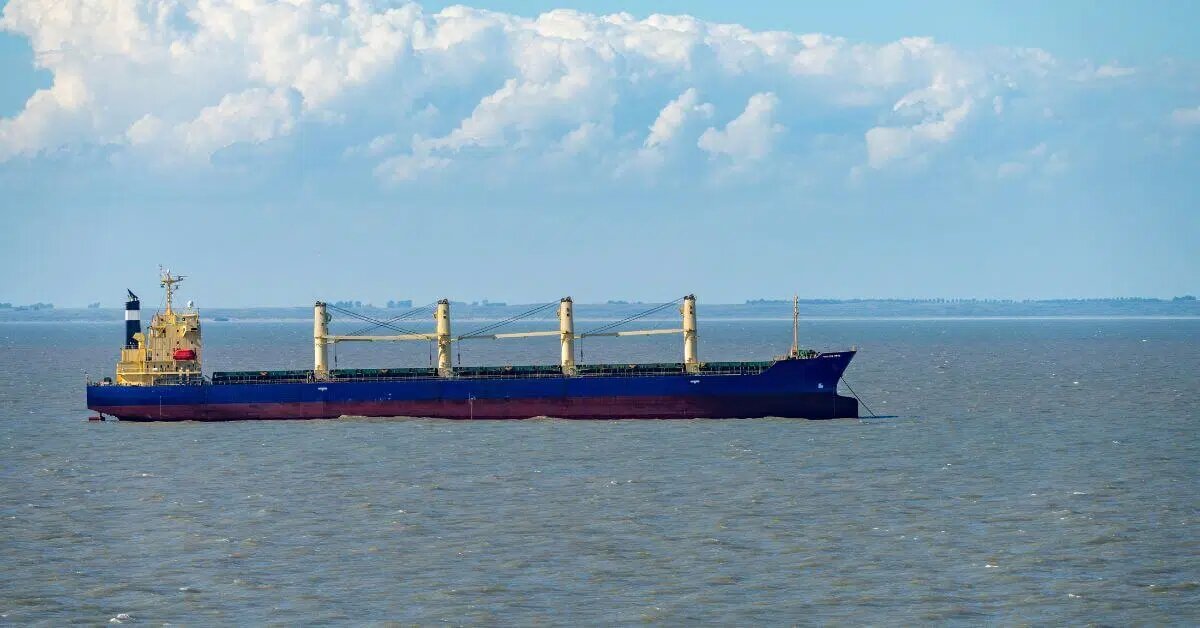
New rule targets brackish ballast discharged into Californian waters
The California State Lands Commission (SLC) has introduced an emergency amendment to Article 4.7 of Title 2, Division 3 of the California Code of Regulations requiring vessels with ballast water sourced from low-salinity areas to conduct a ballast water exchange prior to discharging in Californian ports. The regulation entered into effect on 18 June 2025 and applies to all vessels intending to discharge ballast water into California’s fresh and brackish waters.
The emergency rule compels vessels carrying ballast water with a salinity of less than 18 parts per thousand to conduct an open-ocean exchange.This is in addition to the requirement to meet the state’s existing ballast water discharge performance standards set out under Section 2293 of the Code.
The SLC issued the measure following concerns that low-salinity ballast from coastal or estuarine areas posed a higher biological risk, increasing the likelihood of non-indigenous aquatic species becoming established in Californian ecosystems.
The SLC stated, “This emergency rule is necessary to provide enhanced protection to California waters by ensuring that brackish or fresh ballast is treated or exchanged before discharge.”
For fleet managers and vessel operators, the regulation imposes a fresh operational requirement. Ballast operations that previously met the state’s performance standards alone may now need to be restructured to include a salinity check and, where applicable, an ocean exchange procedure.
Ships will need to verify and record source water salinity and retain evidence of exchange completion or system operation prior to discharge.
Compliance will depend on timely voyage planning and ballast management system readiness.
Crews must be familiar with salinity measurement techniques and documentation protocols. Failure to comply may result in penalties or delay at berth, particularly for vessels calling at inland ports or terminals located in estuarine zones such as Stockton, Sacramento and Suisun Bay.
According to the emergency rulemaking documents, vessels that do not comply may be refused permission to discharge ballast or be subject to enforcement under the Marine Invasive Species Act. The SLC noted enforcement officers had observed multiple incidents of low-salinity ballast being discharged without adequate control measures in place, prompting the regulatory response.
While the emergency regulation is effective immediately, it will remain in place for up to 180 days. The Commission has indicated it intends to initiate a formal rulemaking process to make the changes permanent. Interested parties may submit written comments or attend a public hearing, although no date for the latter has yet been confirmed.
The SLC has not issued a formal cost assessment, but ballast exchange adds time and fuel requirements, and may require adjustments to voyage plans. Ships fitted with type-approved ballast water management systems must still conduct the exchange if the system is not operated or if the performance standards are not met.