Captain John Murray, CEO of the Canaveral Port Authority, presented his annual report on the state of the port, offering a comprehensive analysis of the 2025 performance and a perspective of continuous growth for the new fiscal year. The total revenues for fiscal year 2025, which ended on September 30, amounted to USD 218 million, of which USD 182 million came from the cruise business, USD 25 million from cargo, and USD 11 million from non-ship related operations.
“Our business growth and our solid financial performance are generating value that will bear fruit in the years to come. We are leaders in our sector, but our continued success is based on strategic planning, continuous improvement, and solid investments in our infrastructure,” stated Murray.
Before an audience of nearly 250 government, business, and community representatives at the Port Canaveral Cruise Terminal 10, Murray detailed how all operational segments (cruise, cargo, recreation, real estate, commercial fishing, and aerospace) contributed to the port’s performance.
In the cruise sector, the port received 1,038 calls, with a record 8.6 million passenger movements, representing a 13% increase from the previous year. Murray noted that, in April 2025, the port reached the historic milestone of 100 million passenger movements since the Scandinavian Sea began sailing in 1982 from its home port at Port Canaveral.
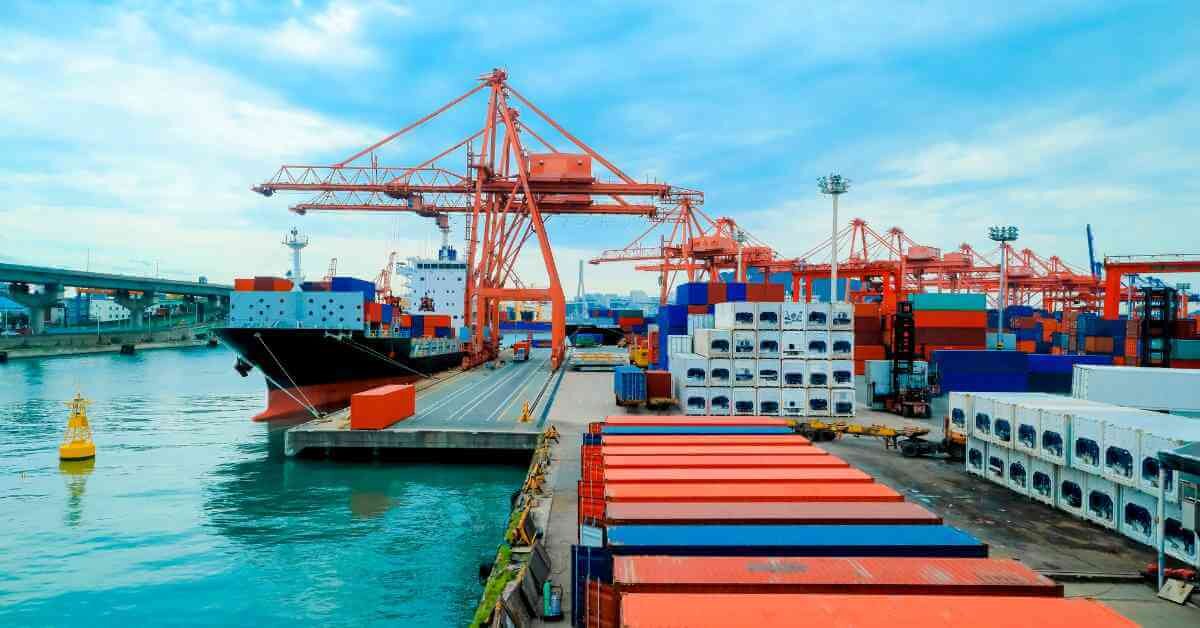
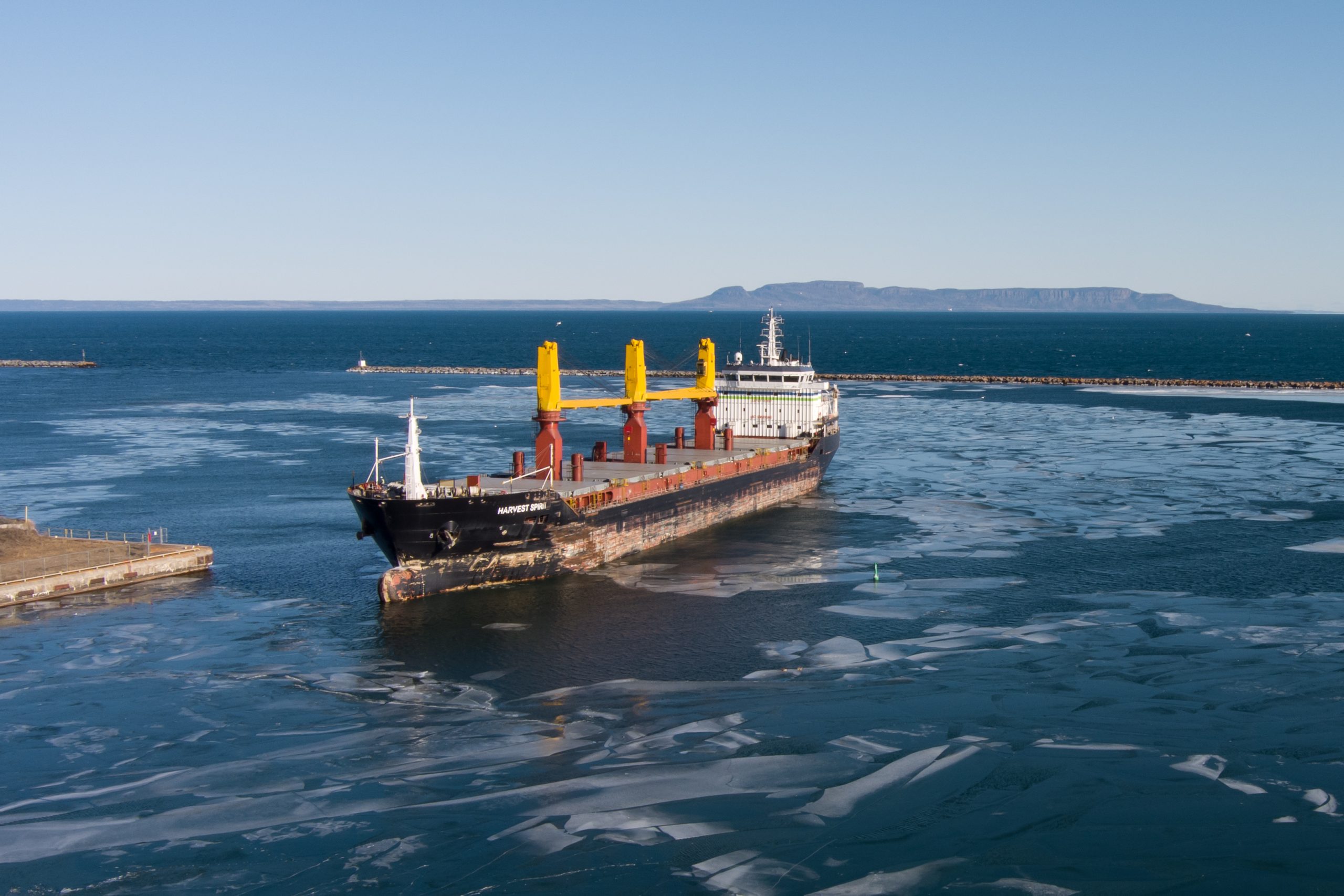
The cargo business remained solid throughout the fiscal year, ending with a total of 6.1 million tons, including 3 million tons of petroleum products, 2 million tons of aggregates, and 850,000 tons of forest products.
In August, a new harbor mobile crane with lifting capacity arrived, complementing the two harbor mobile cranes currently in service, thus tripling the port’s cargo handling capacity.
The port continues to be an economic engine in the central Florida region, with 27% of cruise passengers staying overnight in a local hotel, equating to 2.3 million annual room nights in Brevard County and a 200% increase in the construction of new hotels in the nearby city of Cape Canaveral alone over the last decade.
“We have an ever-increasing responsibility to drive economic value in our region. Our growth is energizing the local economy with an increase in business investments in the Port District communities, which is creating new jobs and a growing tax revenue base for local municipalities,” declared Murray.
Looking ahead, the port expects another solid year with total projected revenues of USD 237.4 million for fiscal year 2026, with growth in the cruise business reaching 18 homeported ships, generating 9 million multi-day passenger movements on 1,083 ship calls.
Numerous renovation and improvement projects have been planned, with a total investment of USD 255 million, just for the next fiscal year, to meet the needs of the port’s growing number of customers.
The port’s five-year capital improvement plan now amounts to USD 912 million, up from just over USD 500 million less than two years ago.
Projects include the creation of 4,500 additional parking spaces in the terminal’s new garages and surface parking lots, as well as the expansion of facilities, including doubling the size of Cruise Terminals 5 and 10 to accommodate the arrival of new homeport ships —some of the largest in the world— in 2027.
The completion of the North Cargo Pier 4 renovations and the clearing of adjacent parcels on uplands will facilitate access to new cargo development opportunities. The planned improvements to public boating, camping, and beach facilities will enhance the port’s recreational offerings, which attract 400,000 visitors per year.
“The port has been part of the local community for over 70 years and has contributed significantly to the region’s growth. A full team effort is required to fulfill our mission day in and day out, and this is only possible because of the commitment of our employees, partners, and the ongoing support of our port community,” concluded Murray.