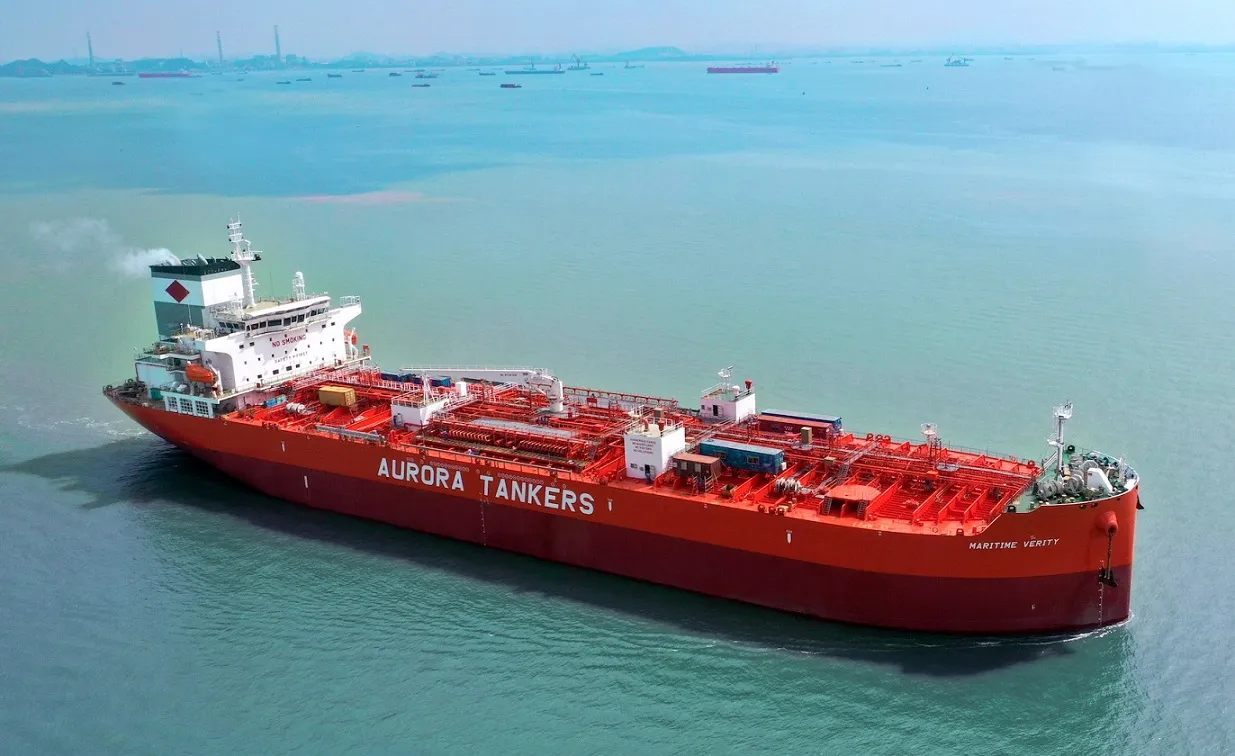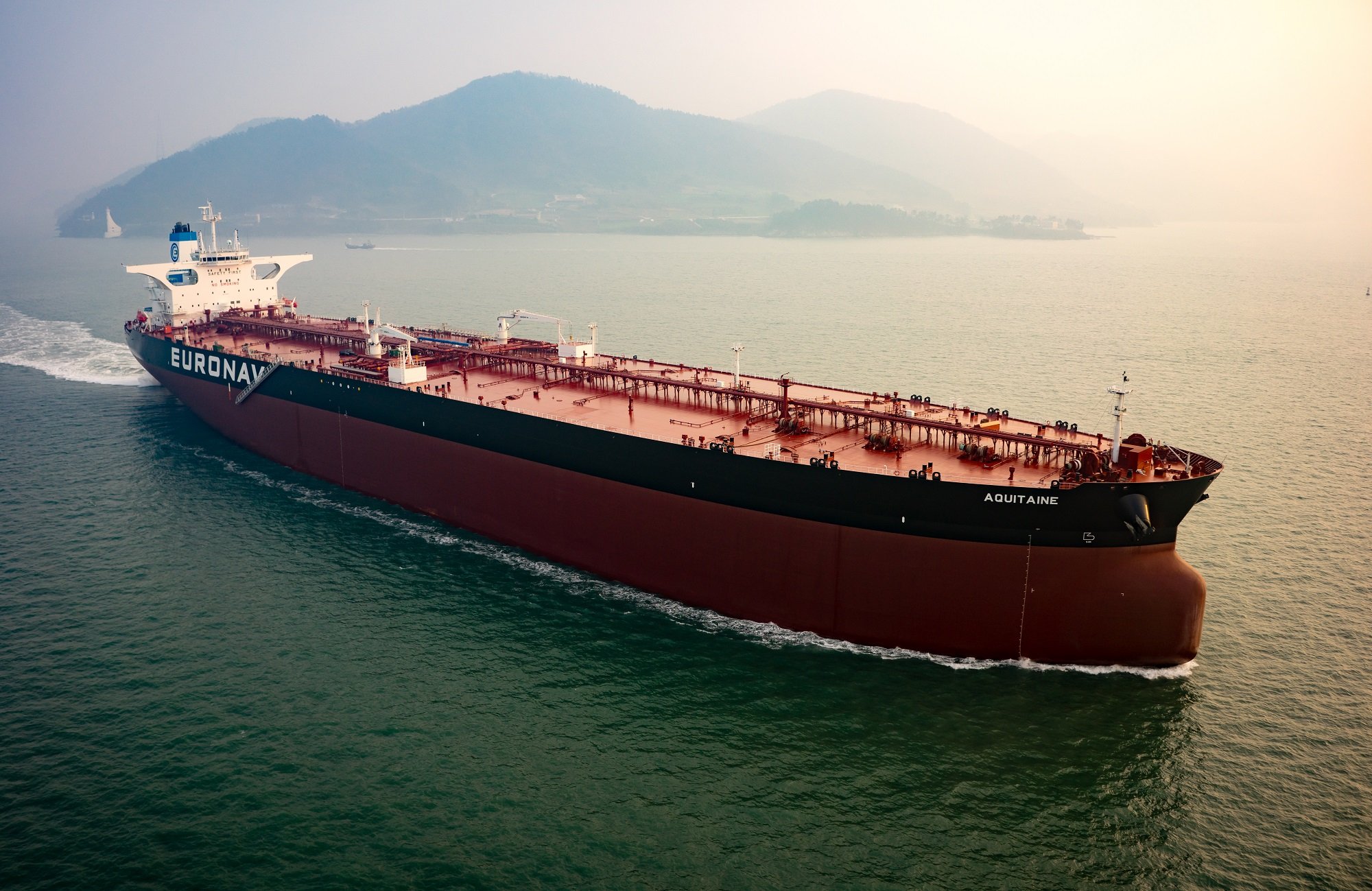
On May 9, the Ministry of Industry and Information Technology released the latest data on China’s shipbuilding industry. In the first quarter of 2026, China’s three major indicators—shipbuilding completion volume, new orders received, and orders on hand—led the world.
Shipbuilding completion volume reflects the efficiency of the shipbuilding industry. In the first quarter of this year, China’s shipbuilding completion volume reached 15.68 million deadweight tons, a year-on-year increase of 46.0%. At a shipyard in Nantong, Jiangsu, a new floating liquefied natural gas unit has entered the module installation stage. In the welding workshop, a robot less than 60 centimeters tall skillfully wields a welding torch to weld steel plates. After digital and intelligent upgrades, this company has not only broken the foreign monopoly on floating liquefied natural gas units but also set an industry record for the fastest completion time of 33 months.
The improvement in the capabilities of the entire industrial chain has kept China’s shipbuilding globally competitive. In the first quarter of this year, new orders received amounted to 59.53 million deadweight tons, a year-on-year increase of 195.2%. In the large vessel sector, the international market share of orders for very large crude carriers, large car carriers, and large container ships of 10,000 TEU and above all exceeded 90%.
The green transformation has shown significant results. In the first quarter, the international market share of green ship orders reached 80.2%, covering various green ship types such as liquefied natural gas, methanol, and ethane.
As for orders on hand, which determine the development momentum for the next few years, as of the end of March, China’s shipbuilding orders on hand stood at 322.30 million deadweight tons, a year-on-year increase of 43.6%, accounting for 69.8% of the global market share. Orders at some large shipyards are already scheduled three years ahead.