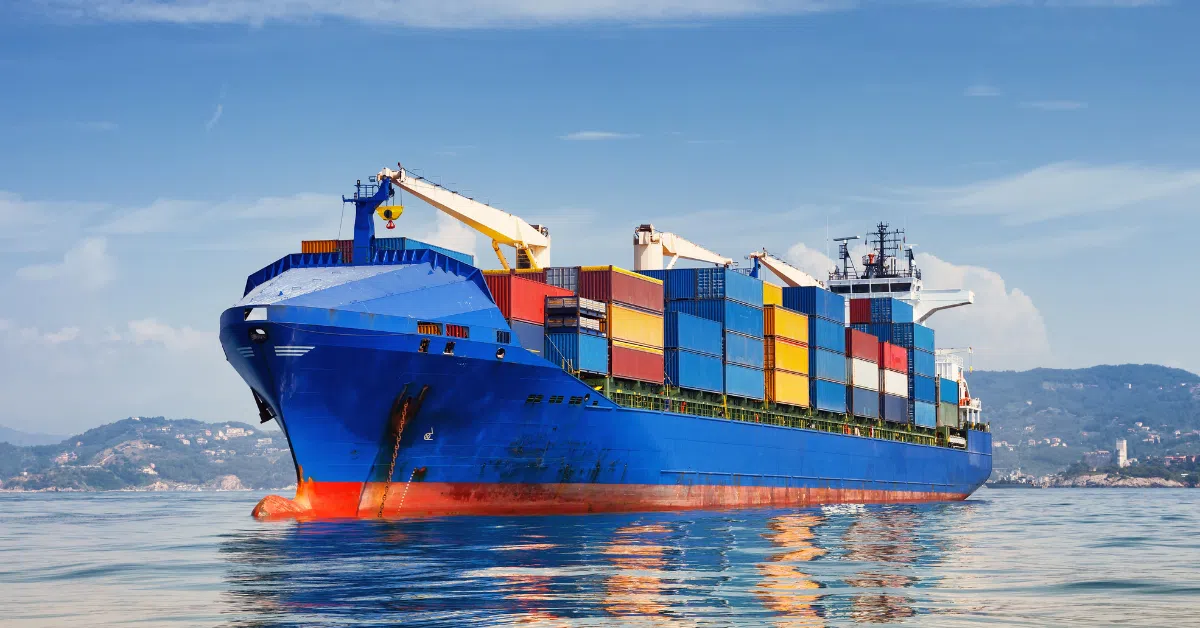
According to Bloomberg, China’s recent venture into the Northern Sea Route—an ambitious shipping lane that traverses the icy waters between Russia and the North Pole—has prompted major container shipping companies to express concerns about its safety and environmental impact. Despite the potential for a significantly shorter transit time from Asia to Europe, industry leaders remain cautious.
This week, MSC Mediterranean Shipping Co., recognized as the largest container carrier globally, reiterated its decision to steer clear of this Arctic passage. The route could potentially cut travel time in half compared to traditional routes via southern Africa; however, ongoing conflicts in regions like the Red Sea have limited alternative options such as the Suez Canal.
In a client advisory issued on September 29th, MSC highlighted that increased traffic through these fragile ecosystems poses risks not only to wildlife but also to indigenous communities residing in remote Arctic areas. They emphasized that commercial navigation remains underdeveloped and fraught with uncertainties regarding safe passage.
Other leading players in maritime transport—including A.P. Moller-Maersk A/S, CMA CGM SA, and Hapag-Lloyd AG—have similarly committed not to utilize this route based on a voluntary pledge made back in 2019. Cosco Shipping Holdings Co., ranked fourth by capacity but not bound by this agreement, has yet to comment on their stance during China’s holiday period.
The Russian government has actively promoted this shipping lane as a means of transporting oil and natural gas towards key Asian markets; however, vessels must still obtain clearance from Moscow before navigating these waters. The Northern Sea Route is notorious for its unpredictable ice conditions even during summer months and becomes nearly impassable during winter without specialized ships equipped for icy environments.
As of late August 2023, only ten container ships had successfully navigated this route alongside various tankers carrying goods between China and Russia according to data from Norway’s Nord University’s Centre for High North Logistics. One notable vessel was the Istanbul Bridge which embarked from St.
Petersburg mid-August before making its way through several Chinese ports including Dalian and Shanghai en route back towards Europe.
This ship is launching an innovative “Arctic Express” service aimed at connecting significant domestic ports with European destinations such as Felixstowe and Rotterdam—a move described by analysts as symbolically significant due to its multi-port service approach.
The Istanbul Bridge carries lithium batteries produced by Contemporary Amperex Technology Co., among other chemical products—a reflection of China’s growing interest in establishing operational experience within Arctic shipping lanes while diversifying trade routes away from vulnerable chokepoints like those found near Singapore.
Citing Simon Heaney from Drewry maritime consultancy, while reinforced vessels like Istanbul Bridge can handle thin ice layers effectively; they still require icebreaker support when faced with thicker formations—a factor contributing heavily toward making large-scale commercial viability questionable due both high fuel consumption rates associated with these journeys along with necessary vessel adaptations required for safe navigation through treacherous conditions.
Despite these challenges posed by environmental risks coupled alongside operational limitations regarding infrastructure availability or vessel types suitable enough navigate safely within such harsh climates—the prospect remains appealing given current tariff disruptions affecting European port operations which have heightened demand for expedited delivery solutions across global supply chains recently impacted heavily throughout 2023 thus far!
The four aforementioned European carriers are signatories of an initiative known as the Arctic Corporate Shipping Pledge—a commitment against utilizing routes through environmentally sensitive areas—which has also garnered support from retail giants including Nike Inc., H&M Group (Hennes & Mauritz AB), Ralph Lauren Corp., among others who share similar concerns over sustainability practices involved within their logistics frameworks moving forward into future endeavors ahead!
This latest development involving China sending container ships toward Western Europe appears experimental at best—mirroring earlier exploratory efforts undertaken previously by Russia concerning /gas tanker shipments traversing northern pathways according Scott Highleyman senior advisor at Ocean Conservancy based out Washington D.C.. He noted it operates well within regulatory confines currently established surrounding maritime activities occurring across those regions today!