As reported by Bloomberg, China is intensifying its strategy to import liquefied natural gas (LNG) from Russia, despite ongoing sanctions. This initiative marks the early stages of establishing a covert fleet capable of transporting this super-cooled fuel while bypassing international restrictions that target one of Russia’s key economic sectors.
The nation, recognized as the largest energy importer globally, already benefits from abundant and often more affordable gas supplies via pipelines. However, these new maritime acquisitions serve as a strategic move to diversify energy sources and reinforce its relationship with Moscow. President Vladimir Putin has identified LNG as crucial for Russia’s future energy export ambitions and is actively seeking buyers amid increasing isolation.
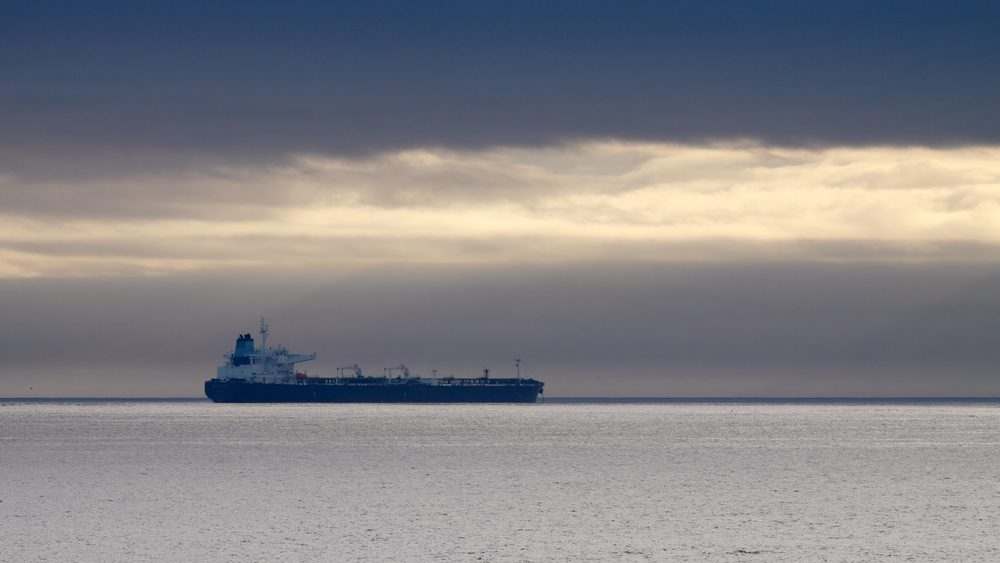
Although still in its infancy, recent shipping activities in China are beginning to mirror trends previously observed in the oil sector where a shadow fleet emerged following reduced pipeline sales to Europe. For instance, the CCH Gas tanker was recently spotted near a Chinese port carrying sanctioned Russian cargo while concealing its location through satellite tracking data. The vessel’s ownership traces back to CCH-1 Shipping Co., which shares an address with Samxin Secretarial Services Ltd., known for obscuring ownership details when trading fuels from countries like Iran or Russia.
Another notable vessel recently renamed Kunpeng has surfaced near Singapore under similar circumstances-its opaque ownership structure raises eyebrows within an industry typically dominated by well-known operators possessing specialized skills necessary for handling such complex cargoes. Ownership records indicate it was transferred earlier this year to lesser-known companies based in China and the Marshall Islands that have histories linked with other sanctioned fuels.
This development aligns with Russia’s own efforts since last year to create a dark fleet of over a dozen vessels registered under shell companies spanning from Russia to India-a response driven by mounting pressure on buyers of Russian oil and gas following Moscow’s actions in Ukraine.
However, constructing an effective shadow fleet for LNG presents unique challenges due to the sophisticated technology required for loading and transporting -162°C (-260°F) fuel used primarily in power generation and heating applications. While there are nearly 8,000 oil tankers operating worldwide today across various sizes, only about 800 vessels are dedicated solely to LNG transport-making concealment efforts considerably more difficult.
Citing recent developments within China’s infrastructure sector, private investors will now be permitted greater stakes-exceeding 10%-in railway and energy projects traditionally funded by government resources. This shift effectively removes limits on non-state participation within these ventures.
The financial landscape is also evolving; “quick-lend-and-recover” practices are gaining traction among banks facing immense pressure from government targets that do not align with actual market demand. This situation highlights significant challenges confronting policymakers as they navigate China’s slowing economy: while they can make capital more accessible and affordable, they cannot compel individuals or businesses into borrowing or investing decisions.
Brazilian-Chinese collaboration on climate initiatives has gained momentum recently as both nations seek ways to mitigate their environmental vulnerabilities while enhancing their global standing amidst shifting geopolitical dynamics following changes in U.S leadership regarding international cooperation on climate issues.