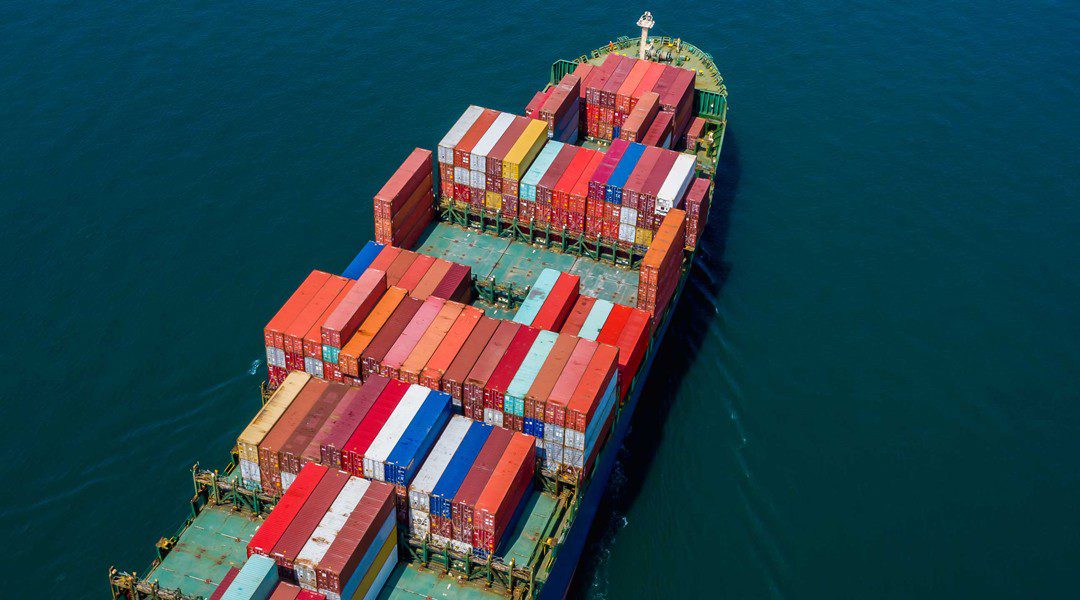
According to recent reports, Sea Legend, a Chinese shipping company, is set to make waves in the maritime industry with its inaugural “Arctic Express.” This ambitious route will connect Ningbo, China to Felixstowe, UK in just 18 days. The journey commenced on September 22 when the Panamax container ship Istanbul Bridge departed from Eastern China carrying 4,900 TEUs (twenty-foot equivalent units).
The vessel is currently navigating through the Bering Sea and is expected to cross the Arctic Ocean within a week. By October 10, it should reach European shores. Li Xiaobin, COO of Sea Legend Shipping Pte Ltd based in Hong Kong SAR, emphasized that this new route significantly shortens transit times compared to traditional methods—over 25 days via rail or more than 40 days through the Suez Canal.
This innovative service marks a departure from previous point-to-point voyages seen in Arctic shipping over the last decade. Unlike earlier operations that focused solely on single destinations, Sea Legend’s service aims to establish regular connections between multiple ports in China and key European locations such as Rotterdam and Hamburg.
The Istanbul Bridge has experience traversing these icy waters; it previously completed an Arctic journey from St. Petersburg to Qingdao within just 24 days this past August while achieving speeds of up to 18 knots.
While Western shipping giants like Maersk and Hapag Lloyd have retreated from Arctic routes due to environmental concerns and economic viability issues, Chinese firms are actively expanding their presence there. Environmentalists express concern about potential emissions resulting from increased shipping activity in fragile ecosystems like the Arctic.
“The situation is alarming,” stated Dr. Sian Prior of the Clean Arctic Alliance. “We urge Sea Legend to disclose its fuel choices for these voyages.” In contrast with Western operators who have only attempted limited routes—like Maersk’s Venta Maersk which made a single trip back in 2018—Chinese companies have been steadily increasing their operations across this region.
This summer alone could see over twenty Chinese container ships making similar journeys through polar waters—a significant uptick compared with previous years where only a handful were recorded.
The northern passage offers substantial time savings compared with conventional routes around Africa or through established canals; typically taking around six weeks for shipments traveling from Ningbo directly into Europe.