At an event held by the International Maritime Organization (IMO) in London, the ordeal of Chinese Captain Yu struck a nerve within the industry – after refusing to succumb to pressure to “frame his own crew,” he suffered a two-year wrongful imprisonment in a violent Honduras prison, exposing the harsh reality of the “criminalization of seafarers.” The maritime community is urgently calling: protecting seafarers is protecting the foundation of shipping.
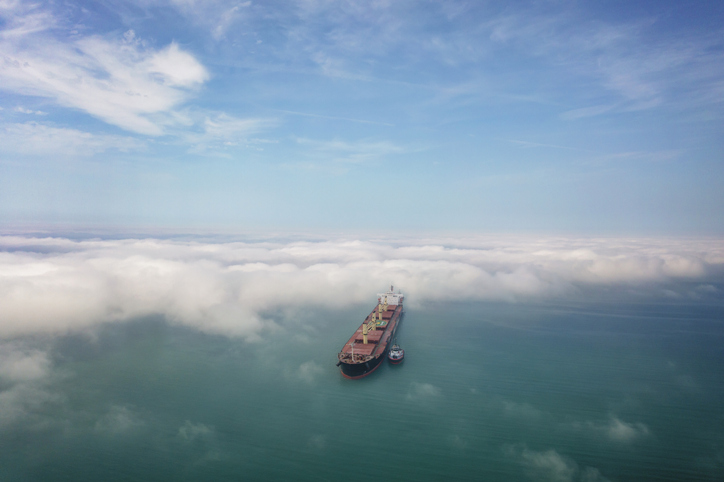
In 2021, Captain Yu was commanding the 20,000-ton bulk carrier “Mount Hirangi,” owned by Pacific Basin Shipping, carrying grain from New Orleans, USA, to Puerto Cortes, Honduras. Local law enforcement, acting on a tip-off, searched the ship and discovered 19 kilograms of cocaine in a cargo hold (suspected to have been placed by local drug cartels for shipment to the USA).
The crew was coerced: 19 crew members were herded onto the dock and made to line up, with the drug packages placed in front of them for photographs, which were then used by local media as propaganda for the “government’s crackdown on gangs” – “the crew were used like puppets,” lamented Suresh Prabhakar, Operations Director of Pacific Basin Shipping.
Captain Yu’s choice: During the investigation, he was given an ultimatum by local police – “identify any crew member, and he would be released.” But he refused to frame his crew (including Chinese and Filipino nationals) and was subsequently thrown into prison. The prison held over 700 inmates, mostly violent criminals; he was the only English-speaking “criminal.” During his wrongful imprisonment, six inmates were murdered within the prison. The captain was also threatened that “if anyone gets COVID, you will be killed” (due to the prevailing narrative at the time that the pandemic originated in China).
After enduring two years of wrongful imprisonment, with PB hiring expert witnesses to assist, Captain Yu was finally acquitted at trial and returned to his hometown in Dalian. But the trauma lingers: he still falls into fear upon hearing city sirens, evoking memories of prison riots in Honduras. He required months of treatment for psychological trauma, and due to this experience, the 57-year-old has never returned to the sea.
Latest data shows that the increase in the volume of illegal drug trade exacerbates risks for seafarers: from 2013 to 2023, cocaine seizures in Europe surged by 600%, and seafarers often become the “scapegoats” in such incidents.
• Brazil Detention Case: Another 58,000-ton bulk carrier, “Cooper Island,” had 10 crew members detained in a hotel for 17 months in 2023 after drugs were found on board; half of them refused to sail again after release.
• Iran Detention Case: Seafarers Mithun Deshpande and two others were abandoned by the shipowner after their vessel was detained by Iran in 2019. Unable to pay a $1.2 million fine, they have been trapped for over four years.
Prabhakar voiced his grief and anger: “Seafarers must be prioritized! If a /crew member tells their family ‘I’m going on the Brazil-Nigeria route, if all goes well I’ll be home in 6 months, otherwise it might be 3 years,’ who would dare join this profession? The shipping industry talks about a seafarer shortage, but if we don’t treat them well, the shortage will only get larger!”
Captain Yu’s case exposes that even with full rescue efforts from shipowners, seafarer organizations, and Chinese authorities, seafarers can still find themselves in desperate situations; some are even abandoned by shipowners, left alone to face exorbitant fines and prison sentences. This is not just an individual tragedy, but a systemic crisis of “neglecting seafarers’ rights” in the shipping industry – if not reversed, the “manpower shortage dilemma” will become a noose for the industry, and the global supply chain will teeter due to “seafarers fleeing.”
The maritime community is building consensus: from improving IMO policies, to strengthening shipowner responsibilities (not abandoning crew), to route risk assessment, protecting seafarer safety and rights has become an urgent task to save the industry’s future. (MarineLink will continue to track the progress of seafarer rights protection, conveying warmth and strength to the industry.)
It is worth mentioning that recently, InterManager called for an end to the criminal prosecution of seafarers without evidence, emphasizing that individual seafarers should not be prosecuted solely because a ship is involved in an incident.
Ahead of the “Day of the Seafarer” on June 25, Captain Kuba Szymanski, Secretary-General of the association, stated that seafarers should not be made scapegoats in investigations, especially when they are not directly responsible. The International Transport Workers’ Federation (ITF) added: “Seafarers are often unfairly blamed and criminalized when maritime incidents occur on ships.”
The association pointed out that situations where seafarers might be involved in criminal investigations include marine pollution, incidents at sea or in port, and even the discovery of illegal goods on board. Sometimes, even without evidence of misconduct, seafarers can be convicted and imprisoned.
Captain Szymanski finally emphasized that protecting the physical and mental health of seafarers is crucial and their vital role in global trade should be recognized. He stated: “Seafarers are the lifeblood of our industry, but they should not pay with their lives for our trade.” The global maritime community should work together to ensure the highest priority is given to the physical and mental well-being of seafarers.
Furthermore, the International Maritime Organization (IMO) reiterated last week at its London headquarters the commitment of global maritime leaders to the fair treatment of seafarers, due process, and coordinated action, aimed at protecting seafarers’ rights. This year’s “Day of the Seafarer” campaign theme is “a ship without harassment,” highlighting the importance of curbing bullying and harassment at sea. InterManager supports this campaign, calling for stronger enforcement of existing safety and anti-harassment regulations, not just lip service. Captain Szymanski stated: “Harassment is a safety issue and should be treated with the same urgency as other life-threatening risks.”
Disclaimer: This article is reprinted for the purpose of conveying more information. If there is any source labeling error or infringement of your legitimate rights and interests, please contact us with proof of ownership, and we will correct or delete it promptly. Thank you.