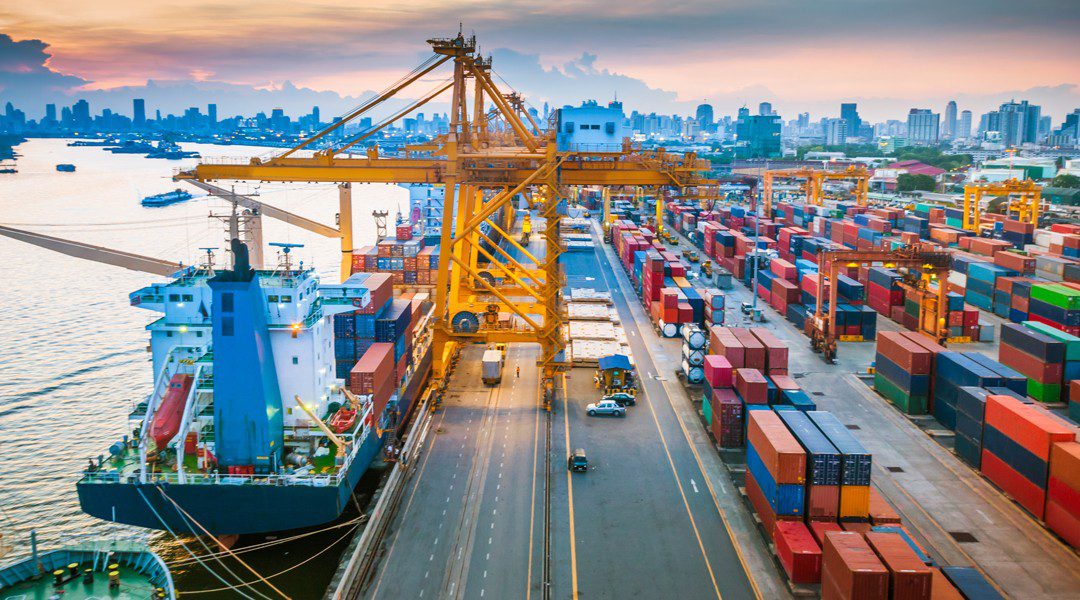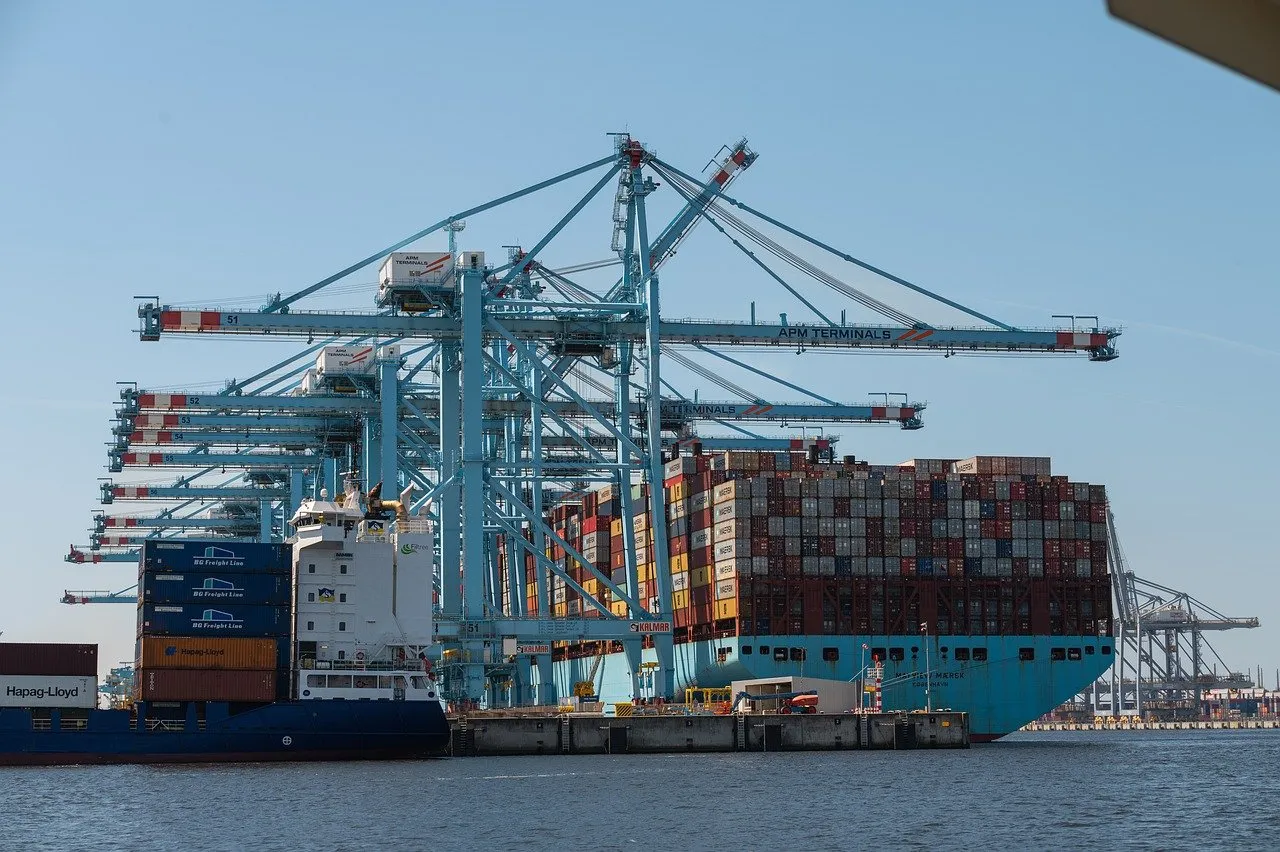
A Colombian port on the Pacific coast that’s been idle for nearly two years following a series of attacks on a pipeline could see a new lifeline.
The main option being considered for the port in Tumaco by Cenit, the pipeline unit for state-runEcopetrol SA, is to temporarily import batches of crude and store them there until a large shipment is ready to be tendered, Cenit AG Chief Executive Officer Alexander Cadena said in an interview Wednesday, “Tumaco is of strategic importance to us and we’re looking at different alternatives.”
Oil is the main export for Colombia, Latin America’s fourth-largest producer, and Cenit’s operations are vital to reach global markets. The industry, however, has been a target of armed groups which have sought to disrupt operations and at times looked to extort money from drillers.
While about 95% of the oil the Andean nation sells abroad is shipped through Cenit’s port in Coveñas, on the Atlantic coast, the remainder that formerly went through Tumaco now is being exported through neighboring Ecuador. For abouttwo years, the 307-kilometer (191 mile) Transandino pipeline, which carried crude to Tumaco, ceased operating following repeated sabotage.
Cenit plans to maintain Transandino given large potential output from the province of Putumayo, Cadena said, speaking from a small boat off the waters of Coveñas as the company carried out a drill in the event of a spill.
Cadena has been flagging the Coveñas port as a possible location for a terminal to import liquefied natural gas as Colombia faces an increasing shortage of the fuel.
Transandino isn’t the only Cenit pipeline that’s been at risk. Through August, pipelines in Colombia were blown up 25 times, a 92% jump from the 13 in the same period a year ago, according to data from the defense ministry.