On September 16, COSCO SHIPPING Lines issued a “Notice to Customers Regarding USTR Section 301 Investigation” on its official website.
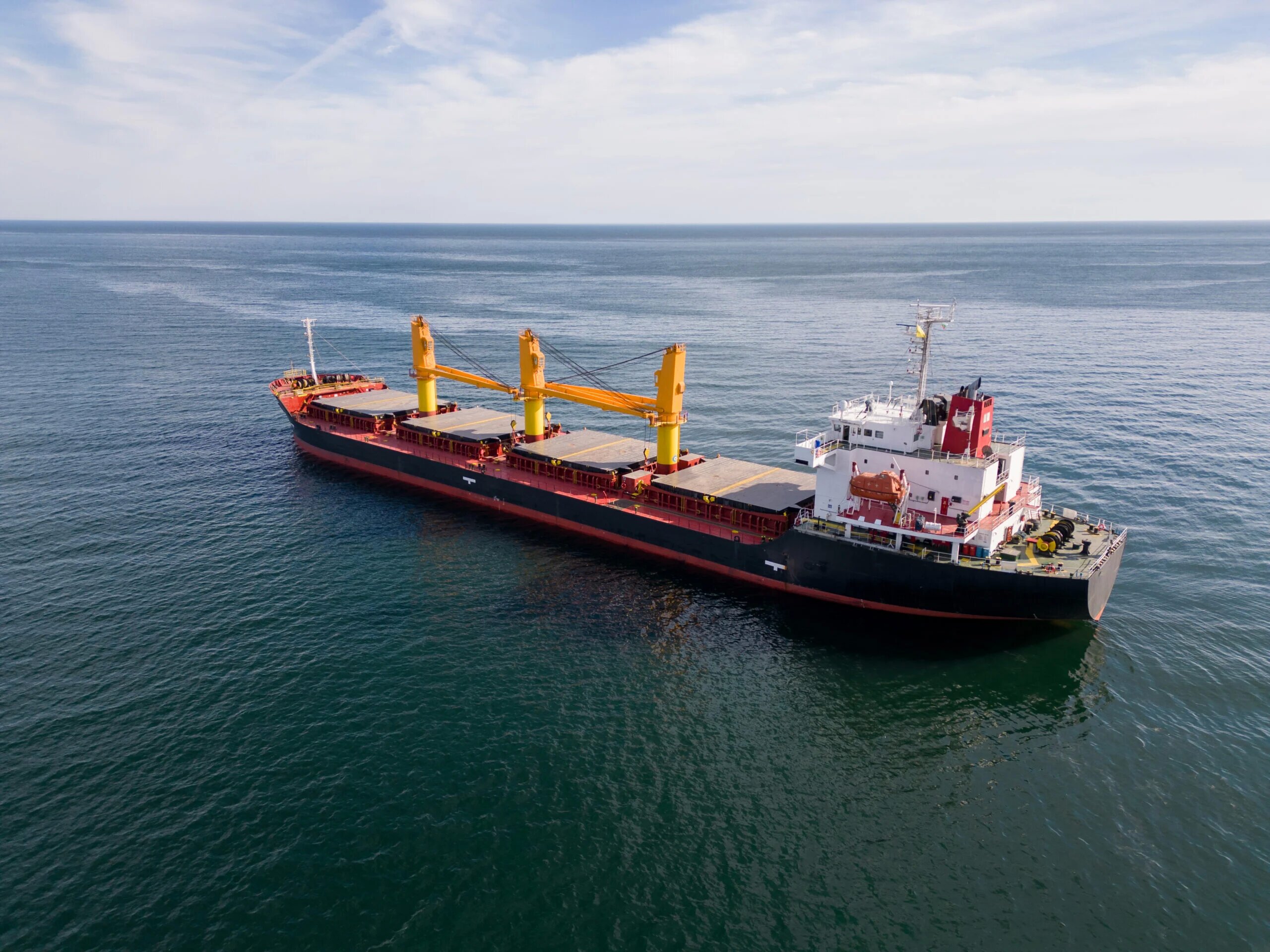
According to the announcement released by the Office of the United States Trade Representative (USTR) on April 17, 2025, starting from October 14, 2025, the United States will begin imposing a port service fee on maritime services provided by Chinese vessel owners and operators, as well as operators using vessels built in China.
COSCO SHIPPING Lines pointed out that although this fee may pose certain challenges to the company’s operations, COSCO SHIPPING Lines remains fully confident in its US route network services. It is committed to maintaining stable capacity investment, consistent service quality, and continuing to provide customers with reliable, safe, and high-quality logistics solutions.
Simultaneously, COSCO SHIPPING Lines will actively improve its product structure to adapt to the evolving demands of the US market, maintaining freight rates and surcharges, among other relevant policies, that are competitive and aligned with market levels.
COSCO SHIPPING Lines has long been deeply rooted in the US market, strictly adhering to all US laws, regulations, and policy requirements, and has always been a trusted partner in promoting US import and export trade. In the future, the company will uphold resilience and determination, commit to excellent service, operate with the philosophy of delivering value, and steadily manage its US liner shipping business.
It is understood that in April this year, USTR announced a revised plan to impose port fees on Chinese vessels and operators, deciding to levy fees on Chinese vessel owners and operators, Chinese-built vessels, and car carriers built anywhere outside the US. The relevant fees will begin to be collected starting October 14, 2025.
According to this plan, USTR will impose fees based on the net tonnage of each vessel owned or operated by a Chinese entity that enters a US port per voyage. The fee will be $50 per net ton and will increase annually at specific increments over the next three years, rising to $140 by 2028.
For each vessel built in a Chinese shipyard, regardless of the nationality of the /operator, a fee will also be levied per net ton or per unloaded container (whichever is higher). The initial fee will be $18 per net ton, increasing to $33 by 2028; or $120 per container, increasing to $250 by 2028. Each vessel will be charged a maximum of 5 times per year.
Calculations based on the progressive fee mechanism set in the latest plan show that a 10,000 TEU container ship built in a Chinese shipyard and operated by COSCO SHIPPING Lines calling at a US port will be charged a port fee of $1.2 million per voyage (approximately RMB 8.5458 million), which will increase to $2.5 million (approximately RMB 17.8037 million) by 2028.
The majority of the vessels in the COSCO SHIPPING Lines fleet are built in Chinese shipyards, and the Trans-Pacific route accounts for a significant proportion of its revenue. According to statistics from shipping analysis agency Linerlytica in February, 51% of the capacity of the COSCO Shipping-OOCL fleet calls at US ports, far higher than other major shipping companies.
Half-year report data recently released by COSCO SHIPPING Holdings shows that in the first half of this year, its container shipping business total freight volume was approximately 13.28 million TEU, of which the Trans-Pacific route freight volume was approximately 2.39 million TEU, accounting for the highest proportion; total route revenue was approximately RMB 96.6 billion, with Trans-Pacific route revenue reaching approximately RMB 28.3 billion.
Previously, HSBC analysis estimated that COSCO SHIPPING Holdings may need to pay up to $1.5 billion (approximately RMB 10.695 billion) in US port fees for the 2026 fiscal year, equivalent to 5.3% of its forecasted 2026 fiscal year revenue and 74% of its EBIT; OOCL may need to pay $654 million (approximately RMB 4.663 billion) in US port fees, equivalent to 7.1% of the company’s forecasted 2026 fiscal year revenue and 65% of its EBIT.