
A potential attack from the sea could result in a crisis, affecting maritime trade, which accounts for about 7 per cent of Singapore’s gross domestic product.
So, it is critical for Singapore to swiftly identify and deal with any such threat, said Coordinating Minister for National Security and Minister for Home Affairs K. Shanmugam.
He was speaking to the media on the Republic of Singapore Navy’s (RSN) Independence-class Littoral Mission Vessel RSS Justice on the fifth and final day of Exercise Highcrest, an annual counter-terrorism exercise.
It was held from Nov 24 to 28, and involved more than 240 personnel from the RSN, Police Coast Guard, Maritime and Port Authority of Singapore, Immigration and Checkpoints Authority, Singapore Customs, Singapore Civil Defence Force (SCDF), Republic of Singapore Air Force and Special Operations Task Force.
Mr Shanmugam, who was accompanied by Defence Minister Chan Chun Sing and Minister of State for Defence Desmond Choo, said the maritime security environment is challenging.
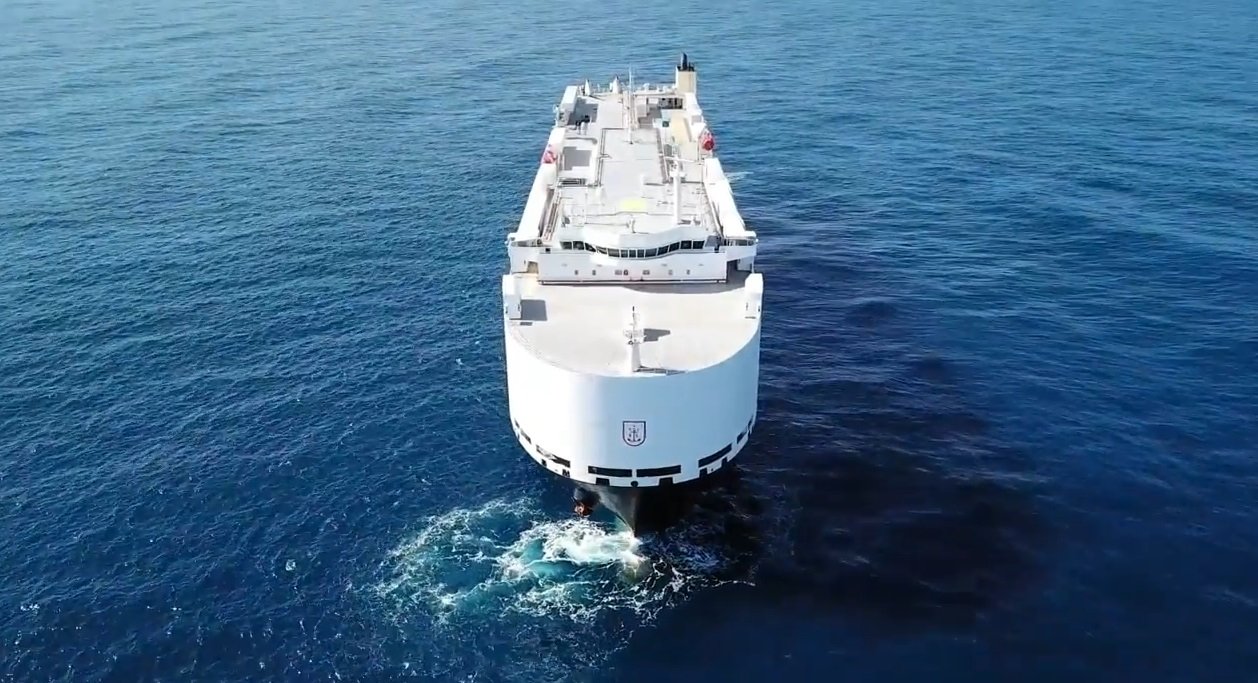
He said: “When you come out into the waters, you see thousands of ships. Our waterways, sealines, are critical to our prosperity.
“One of the ways in which we can be attacked is through attack on ships and our waterways, or an attack from the sea onto Singapore itself.”
In the first half of 2025, there was a spike in piracy and armed robbery in the straits of Malacca and Singapore, two of the busiest straits in the world.
In the 2008 Mumbai attacks, terrorists from the Pakistan-based Islamist militant organisation Lashkar-e-Taiba travelled by boat from Pakistan to the Arabian Sea, where they hijacked an Indian trawler. They used it to get within 7km of Mumbai, before getting into inflatable speedboats and entering the city, where they launched 12 attacks from Nov 26 to 29.
A total of 175 people died and more than 300 were injured. Among them was a Singaporean lawyer who was killed after being held hostage.
In August 2016, the Indonesian authorities foiled a plot by Batam-based terrorists who had planned to launch a rocket attack against the Marina Bay Sands integrated resort.
The group, called Katibah Gonggong Rebus, had considered using a hill or an outer island of Batam as a launch point, but were arrested by the Indonesian authorities before they could do so.
Exercise Highcrest was organised by the Singapore Maritime Crisis Centre (SMCC), which acts as a centralised organisation to ensure intelligence data is shared and responses are coordinated across agencies.
It was formed in 2011 after the Mumbai attacks, when key gaps in India’s response were identified.
During the exercise, Mr Shanmugam observed from Changi Naval Base how personnel from the different agencies worked together to neutralise threats in a simulation of a hijacked vessel off the coast of Singapore with plans to conduct terrorist attacks on key coastal installations.
Mr Shanmugam then sailed on the RSS Justice, to observe the Special Operations Task Force storming the vessel and the SCDF extinguishing a simulated fire and evacuating casualties.
Mr Shanmugam commended the SMCC for playing a pivotal role in driving and overseeing national maritime security operations, and providing early warning against potential maritime terrorist attacks.
He said: “How did we identify, how did we provide early warning, how did we take it out – it is critical for us, and the exercise was well conducted.”
Source: Straits Times