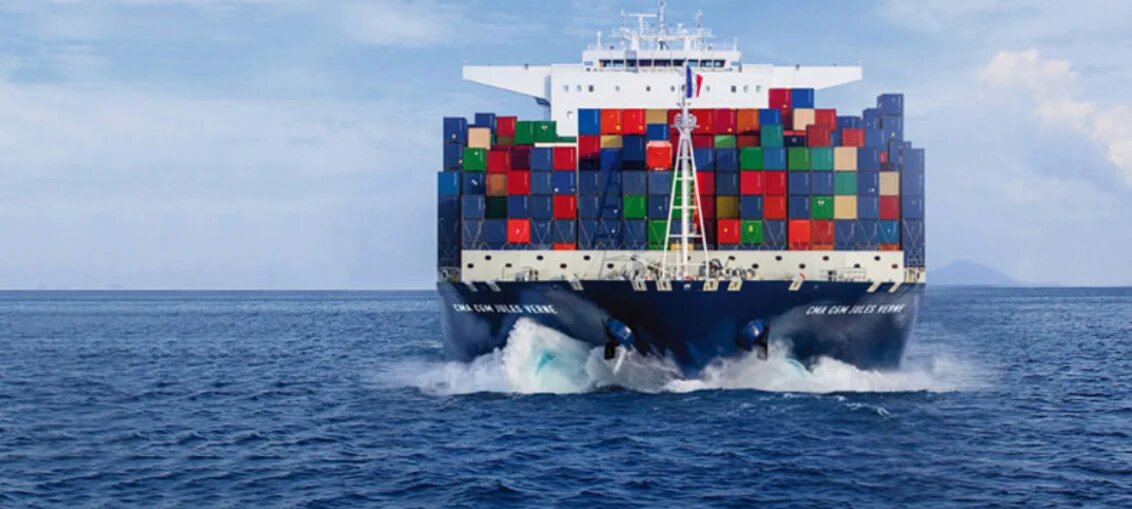
Image source: Maersk
According to Shipping Exchange news, analysts point out that the increasing divergence between the charter market and spot freight rate trends indicates that the container shipping market may be entering another round of competition focused on “grabbing” market share.
Based on follow-up reports from Shipping Exchange, the current trends of both the Shanghai Containerized Freight Index (SCFI) and the Drewry World Container Index (WCI) show that although spot freight rates have stabilized after consecutive declines, their trends continue to diverge: rates on the US trade lane are rising, while those on the Europe trade lane continue to decline.
Meanwhile, VHBS analysts note that the container shipping charter market remains “strong” with no signs of significant change in the short term.
In short, conventional wisdom suggests that if freight rates are on a downward trend, the charter market should typically follow suit, indicating the industry is entering a “recession” phase where companies should prioritize “endurance.” However, in the current container shipping market, with changes in global trade patterns, the restructuring of liner alliances, and the continuous development of fleet capacity and networks, the market may be entering a new phase of “grabbing” market share.
Braemar analysts state, “Time charter rates remain at very high levels, with active transactions, as liner companies prefer to lock in capacity rather than risk shortages and service cuts.”
“Demand for newbuildings is also generally strong, and ship sale and purchase transactions are very active.”
Braemar analysts add that this phenomenon raises a “big question.”
“Despite falling freight rates, is this because liner companies are optimistic about the future, or has the container shipping industry entered another phase where rationality gives way to competition or the prioritization of market share grabs?”
Shipbroker Mike Wackett said that when possessing a strong balance sheet, “the strategy of liner companies is based on commercial considerations, namely seizing market share from competitors, rather than focusing on financial details.”
Braemar warns, “Some ship types are aging rapidly; without suitable vessels, liner companies risk falling behind more efficient competitors. Furthermore, very strong balance sheets are at play, which might make decision-making easier than in the past.”
Mike Wackett expects the divergence between freight rates and charter rates may persist until liner companies report quarterly losses. According to him, when that happens, “shareholders will apply pressure to reduce costs, leading to fewer new charter contracts, and they will return ships immediately once charters expire.”
In summary, past markets have shown that the container shipping industry, as an “essential needs” sector, allows excellent companies not only to successfully navigate “cycles” but also, when market growth and opportunities arise, leading liner companies can often leverage core advantages like brand and network to quickly adopt a “grab” strategy, further consolidating their market position through scale advantages.