The proposal by the US ambassador to Greece rekindles tensions over Cosco’s presence in strategic European ports
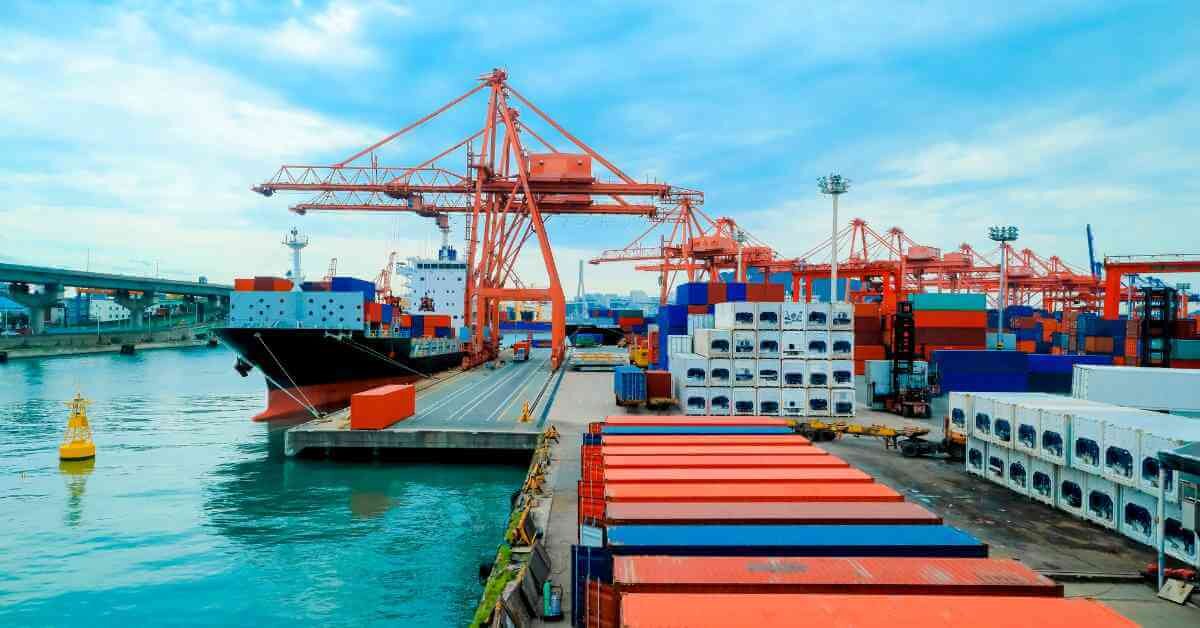
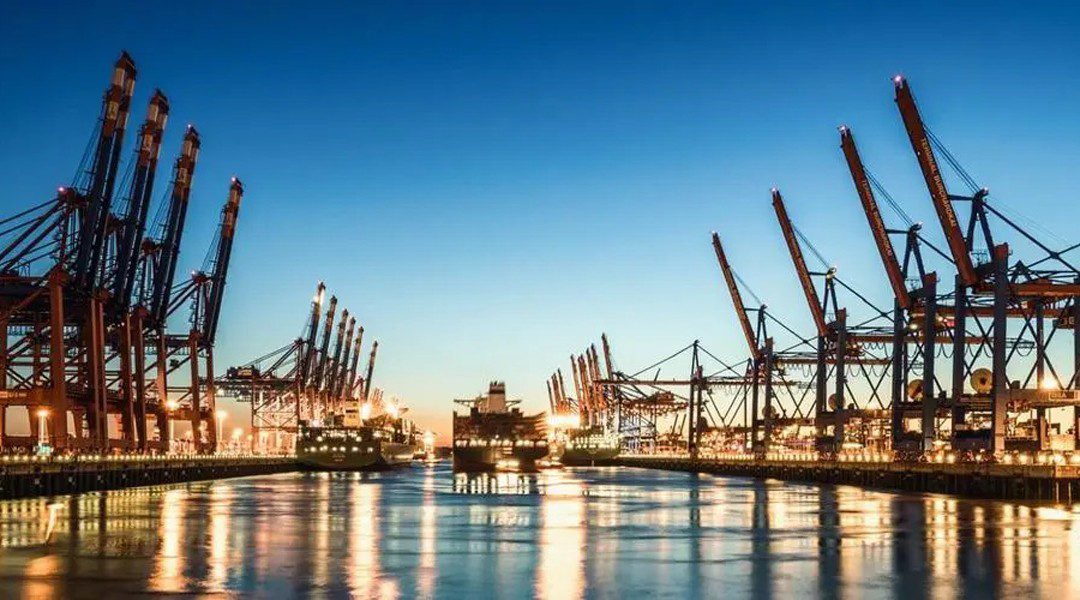
Piraeus – China has reacted harshly to recent statements by the United States regarding the management of the port of Piraeus, calling the remarks by the American ambassador to Greece, Kimberly Guilfoyle, “erroneous” and “offensive.” During a television interview on November 14, the diplomat described Cosco’s presence as “unfortunate” and suggested that the port could even be put up for sale, hinting that Washington was ready to “balance Chinese influence.”
The words of the ambassador, newly appointed to Athens, triggered an immediate reaction from the Chinese embassy, which branded them as an unfounded attack on economic cooperation between China and Greece and as interference in the country’s internal affairs. Beijing recalled that Cosco took over in 2009, at the height of the Greek debt crisis, as the only investor willing to step in, subsequently transforming Piraeus into one of the most dynamic container ports in the Mediterranean. The Chinese group’s stake rose to 51% in 2016 and to 67% in 2021.
The Greek government also intervened in the controversy, emphasizing the value of Chinese investments and reiterating its intention to respect existing agreements. A spokesman for the prime minister recalled that, at the time of the terminal’s assignment in 2009, Greece had received no other offers.
While insisting on the need to strengthen the American presence in the country, Guilfoyle acknowledged that there are other ways to expand US influence. Among these, investments in the port of Elefsina, where Onex — also supported by a US loan of $125 million in 2023 — is carrying out a project to revitalize and expand the facilities. Greece is preparing legislation that will allow Onex to develop a new terminal potentially in competition with Piraeus.
The dispute reflects the growing tension between Washington and Beijing over the management of strategic ports worldwide, in a context where the United States accuses China of seeking to expand its geopolitical influence through the control of global logistics hubs.