The diversification of supplies has become one of the fundamental pillars of European energy policy. The Russian invasion of Ukraine in 2022 in fact marked a turning point, revealing the vulnerability of the continental system, which was heavily exposed to flows from the East. The surge in prices and market uncertainty forced Europe to quickly redefine its strategies, accelerating the search for more flexible and secure solutions.
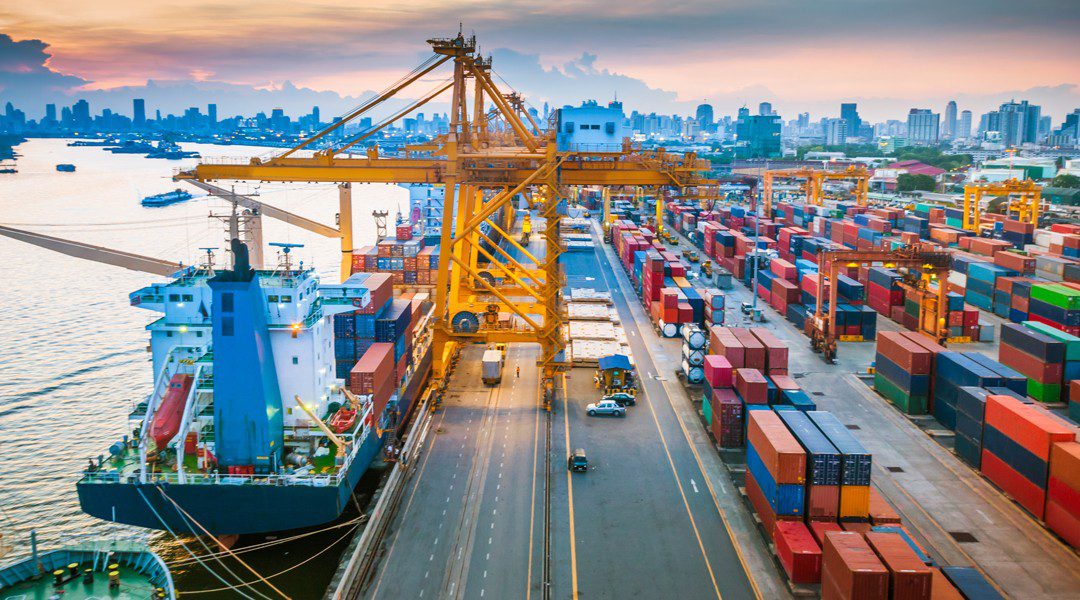
In this context, liquefied natural gas (LNG) has taken on a central role. The possibility of receiving gas by ship, without depending on physical pipelines, has allowed Eurozone countries to react more quickly to market emergencies. Investments in regasification infrastructure, from floating units to new onshore terminals, have helped create a supply system capable of accommodating increasing volumes of LNG from a plurality of sources. A context that favored the acceleration of American liquefied natural gas exports: in 2023 the United States surpassed Qatar, becoming the top global exporter. Today, US LNG represents about 60% of European imports, confirming itself as a key resource for the energy security of our continent.
After an initial phase characterized by massive spot purchases — necessary to quickly replace Russian volumes — the market is now moving towards long-term contracts, capable of guaranteeing stability and predictability of flows. According to analysts, the structural rebalancing between supply and demand will occur progressively between the end of 2025 and 2028, with the entry into operation of new liquefaction plants in the United States and Qatar, which will bring over 170 million additional tons of LNG per year to the market. An evolution that will contribute not only to stabilizing prices, but also to strengthening the energy security of the entire Euro-Mediterranean area.
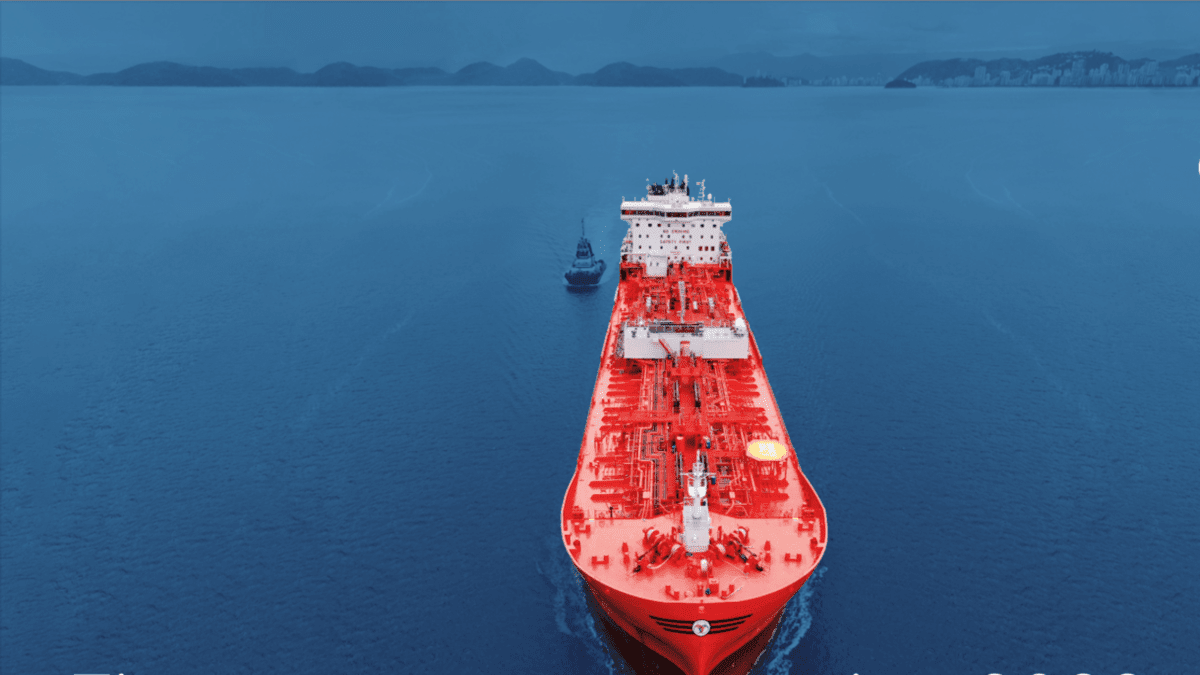
In this scenario of global transformation, Edison confirms itself as a leading player in the national energy landscape, committed to guaranteeing continuity and reliability in gas supplies. The company imports about 14 billion cubic meters of natural gas per year into Italy, equivalent to about 23% of national demand, through a broad and diversified portfolio of long-term contracts. The main sources of supply include Qatar (6.4 billion cubic meters), Libya (4.4 billion), Algeria (1 billion), Azerbaijan (1 billion) and the United States (1.4 billion). This geographical distribution, combined with an advanced logistics network and a dedicated fleet of methane tankers, allows Edison to reduce geopolitical risks and ensure operational flexibility, responding promptly to changes in demand.
A fundamental piece of this strategy is represented by the new long-term agreement signed with Shell for the supply of LNG from the United States. The agreement, which provides for the import of approximately one billion cubic meters of gas per year starting from 2028 and for a period of up to 15 years, further strengthens the group’s ability to ensure stability for the national energy system.
The operation fits into a long-term industrial vision, in which Edison continues to invest to consolidate its position as a responsible operator and strategic partner of the country in the energy transition path.
“The opening of this second channel from the United States is another piece of our industrial strategy, aimed at increasing the country’s supply security and strengthening the competitiveness and flexibility of our long-term portfolio,” explains Fabio Dubini, Executive Vice President Gas & Power Portfolio Management and Optimisation at Edison. “Our goal is to maintain and strengthen relationships with long-term strategic partners — primarily Algeria, Azerbaijan, and Qatar— and to continue diversifying, as we have always done. This is what has allowed us to contribute to national energy security, providing rapid responses even during phases of heightened tension, thanks to the solid relationships built over the years with sellers.” Dubini also emphasizes how gas continues to be a key element of the Italian energy mix: “Gas remains a crucial energy vector to accompany the transition, especially in a country like Italy which still relies significantly on gas for electricity production. Increasing the share of LNG in the portfolio, besides making it more flexible and secure, allows us to evolve at the actual speed of the transition, promptly adapting supply to the demand of international markets and customers, while simultaneously reducing exposure to geopolitical risks.”