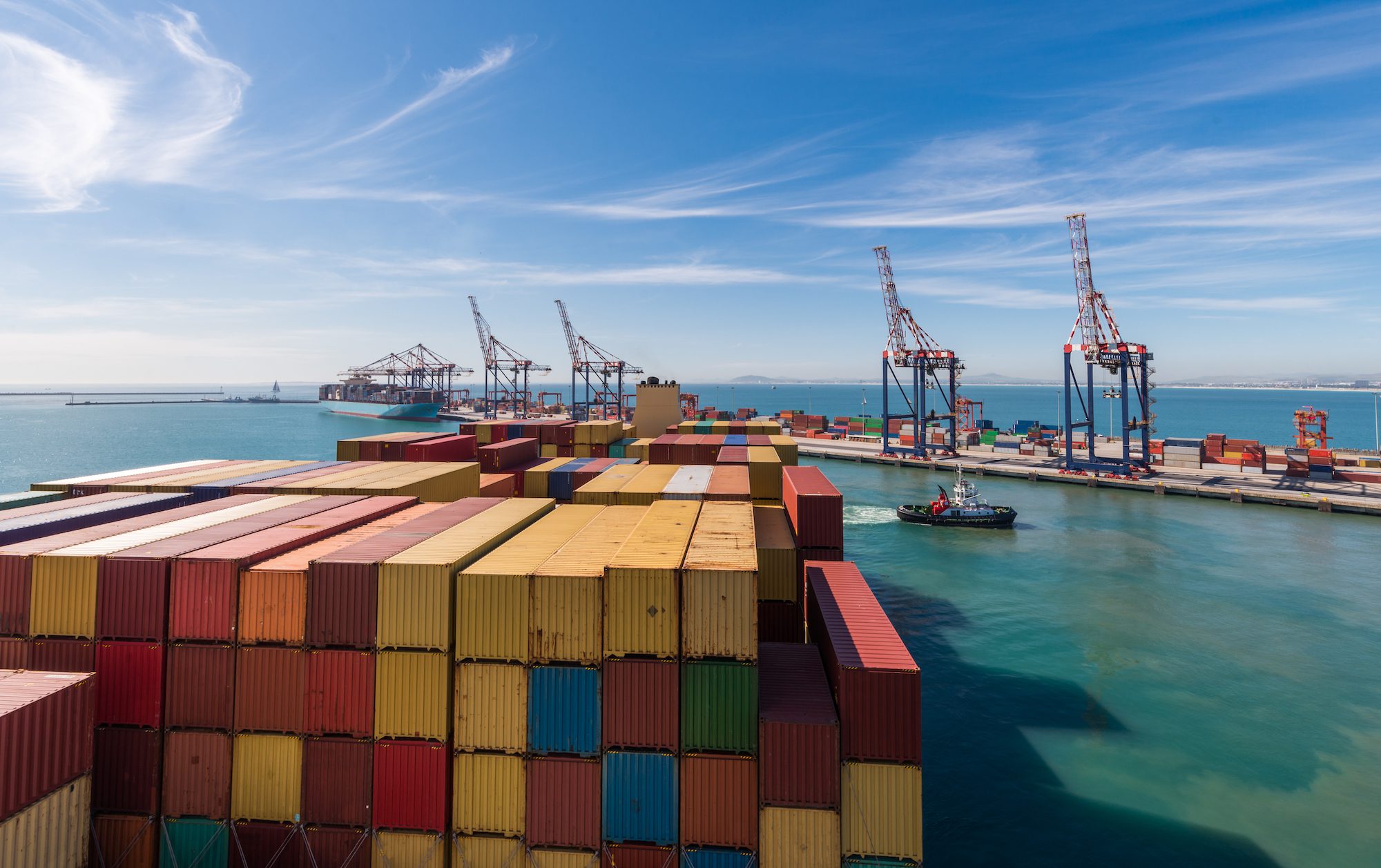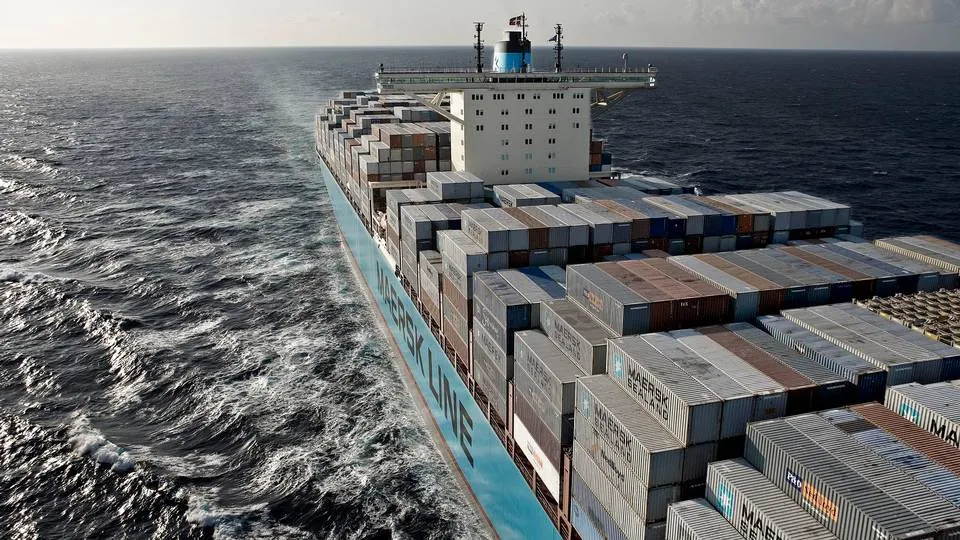
The Fuel Decree-bis reaches final approval with the same critical issue as the first edition of the text: no intervention for maritime transport, precisely while shipping companies are bearing significant extra costs linked to the increase in fuel and continue to guarantee essential connections with the major and minor islands.
Assarmatori strongly denounces a decision that penalizes a strategic sector for the country and shifts onto the companies ensuring connections with the islands a burden that should be addressed with adequate public instruments.
Maritime transport is not an ancillary service. It is the infrastructure that guarantees territorial continuity, the mobility of citizens, the supply of goods, and the stability of the tourist economy of entire regions. Excluding it from the Fuel Decree-bis means ignoring reality and forgetting the needs of island communities.
“This exclusion is incomprehensible,” declares Stefano Messina, President of Assarmatori. “The companies are not speculating: they are bearing extraordinary costs to continue guaranteeing regular, frequent connections at competitive prices, because the ship remains the cheapest means of transport to reach the islands. But one cannot expect the sector to absorb the impact of the fuel increase alone, while other sectors are supported with public resources.”
The paradox is even more serious in light of the ETS. Shipping companies, in fact, contribute significant resources to a system that was flawed from its inception to accompany the ecological transition, with a disproportionate cost for the sector and its competitive viability. Yet, precisely those resources, also generated by shipowners, are collected and used to finance fuel measures from which maritime transport remains excluded. “It is an evident short circuit,” continues Messina. “The maritime sector guarantees an essential service, supports the regularity of connections and the economy of the islands, pays the ETS, and then is excluded when interventions are distributed.”
Assarmatori reiterates that the solution is simple: a targeted tax credit, calibrated at least to a portion of the documented extra fuel cost, for companies engaged in essential maritime connections. “We are not asking for preferential treatment. We are asking for consistency and respect for a sector that every day keeps the islands connected to the rest of the country. We hope that the Government and Parliament will therefore demonstrate adequate sensitivity and not leave shipping companies alone to face the extra costs,” concludes the President of the Shipowners’ Association.