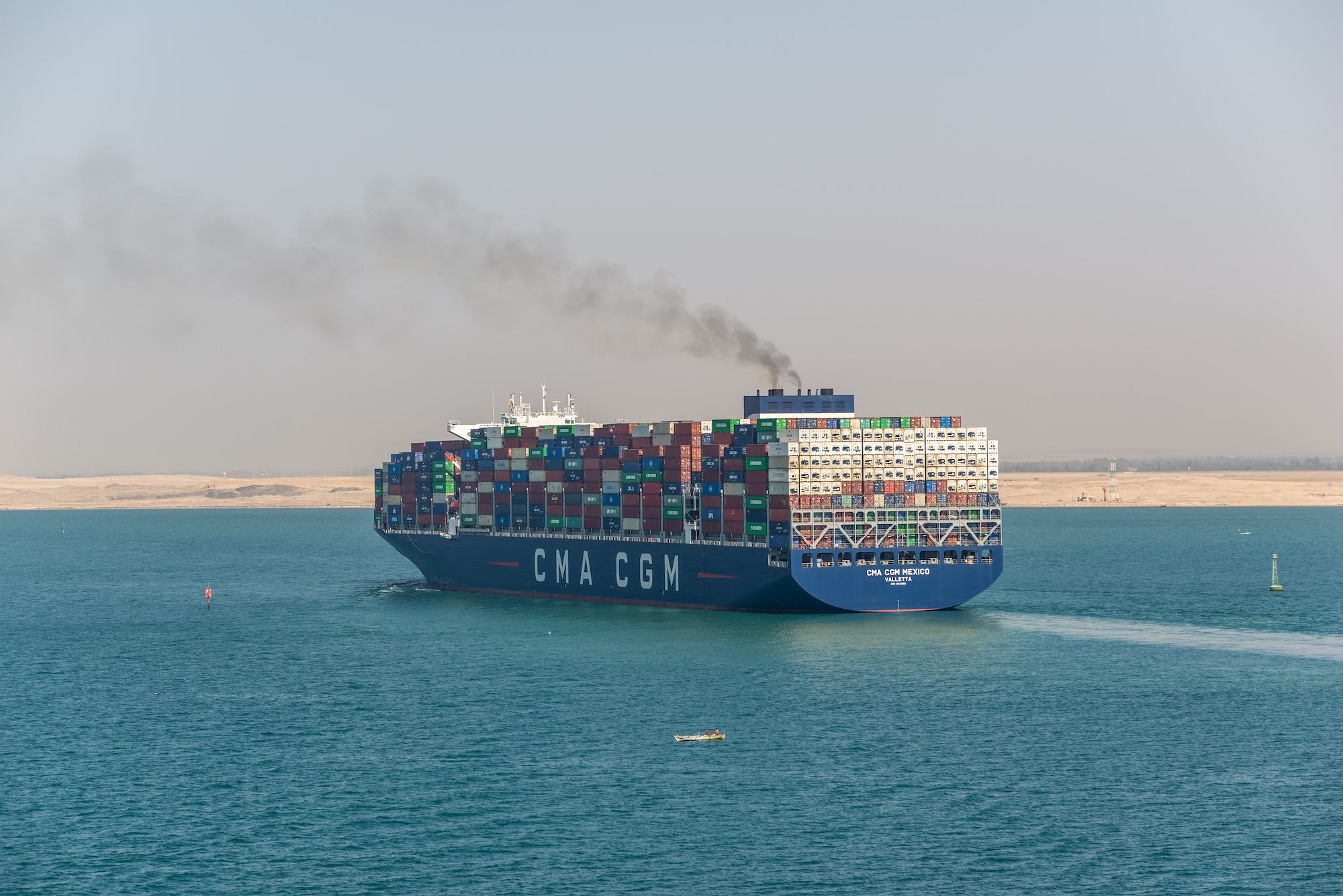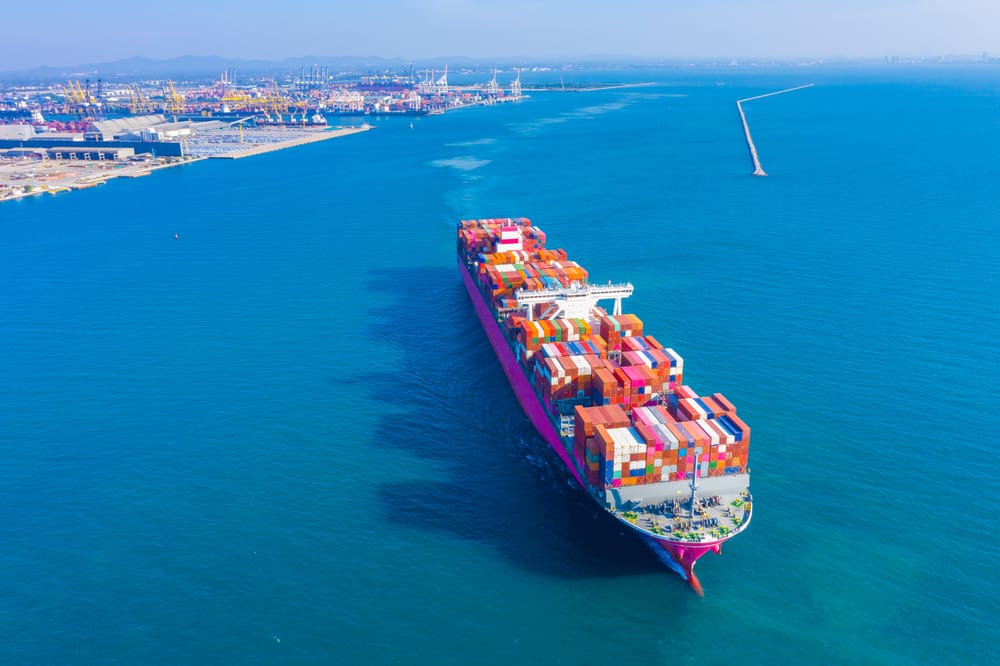
Recently, under the dual impact of shipping companies’ capacity control and the Middle East geopolitical conflict, the intra-Asian container market has experienced剧烈 fluctuations. The Drewry Intra-Asia Container Index (IACI) surged from $/FEU at the end of February to $/FEU on May 1, an increase of 66%. Current freight rates are approximately 30% higher than the same period last year. The market is being forced to adapt to a new normal of “high costs and low reliability.”
Gulf routes lead the increase
The Middle East conflict has brought extreme risk premiums, causing freight rates on related Gulf routes to rise sharply and driving up prices on surrounding routes. Overall freight rates have deviated from traditional seasonal patterns.
Regional total capacity has contracted by 15% from its peak in December last year. Among this, capacity on routes from Greater China to the Middle East has plummeted by nearly 90%, while capacity on routes from North Asia to the Middle East has been slashed by 90%. At the same time, capacity on routes such as Southeast Asia to Greater China and North Asia to South Asia has been supplemented to adapt to changes in demand.
As shipping companies redeploy capacity to manage risks, the price increases on Gulf routes are likely to continue transmitting to other routes. With the arrival of the traditional peak season, shipping companies are expected to further push up freight rates.
Strong growth in Southeast Asia and South Asia
Demand on routes from Greater China to Southeast Asia grew by 14% year-on-year in the first quarter, firmly holding the position as the largest regional route by cargo volume, indicating the continued shift of manufacturing to Southeast Asia. Demand growth on routes from Greater China to South Asia reached 18%.
Port congestion intensifies
Yard density at major hub ports such as Singapore is nearing saturation, forcing terminals to prioritize westbound laden containers, which in turn triggers congestion in the feeder network. Return leg freight rates are severely inverted, with high premiums on the outbound leg and low prices on the return leg, highlighting the imbalance in cargo flow.
Future outlook: High risk in waiting for freight rate corrections
The short-term market is expected to maintain range-bound fluctuations. Shipping companies will continue to implement blank sailings to defend price floors. Shippers are advised to prioritize signing long-term contracts to reduce exposure to spot market volatility and explore alternative routes. Closely monitor route dynamics, reasonably arrange shipment schedules, and make timely adjustments based on actual demand to avoid additional costs caused by freight rate fluctuations and tight space.
When “safety” becomes an expensive commodity to negotiate, the intra-Asian container shipping market has rewritten the rules of the game. In the coming year, capacity control and geopolitics remain key variables.